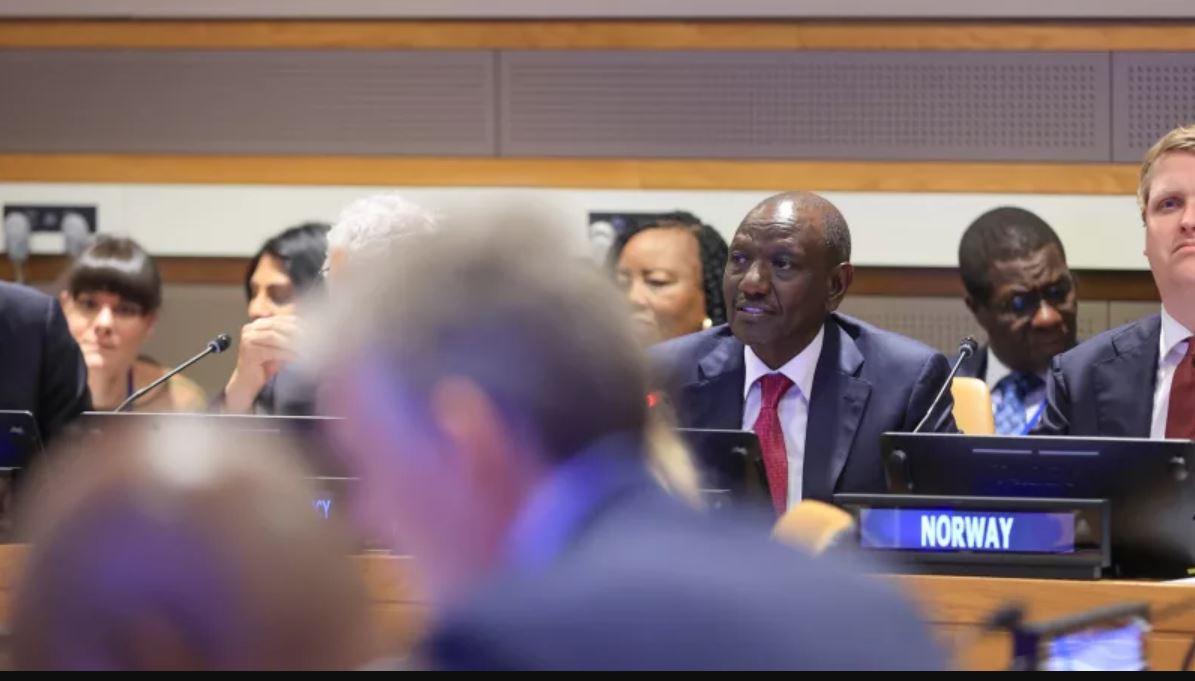
Kenya will co-host the second Africa Clean Cooking Summit in Nairobi on January 27 and 28, 2027, alongside Norway and the United States, placing the country at the centre of a high-level continental effort to turn clean cooking commitments into policies, financing, investments and projects that can expand access across Africa. The summit will bring together governments, investors, development partners, industry and other stakeholders, building on the first summit in Paris in 2024.
For Nairobi, the meeting is more than another international conference. It provides Kenya with an opportunity to demonstrate its capacity to shape an increasingly important part of Africa’s energy and development agenda while positioning the capital as a platform where policy, finance and private enterprise can converge around practical solutions. The partnership with Norway and the United States also reflects the international importance attached to accelerating clean cooking access and the need for stronger cooperation between African governments and global development and investment partners.
The central test, however, will be what follows the summit. The 2024 Paris meeting mobilised $2.2 billion in public and private sector commitments, while subsequent tracking has shown that substantial financing has moved into projects and that many African countries have strengthened their clean cooking policies. New financial commitments have also been announced ahead of the Nairobi meeting. These developments illustrate both the progress being made and the importance of implementation
Nairobi should therefore be judged not simply by the scale of new announcements, but by whether governments and their partners can establish clear pathways for financing, procurement, distribution and delivery. Policies need to create predictable markets, while financing instruments need to reduce the risks that can make clean cooking products unaffordable for households or unattractive to investors. The focus on concrete measures, including approved policies, procurement processes, deployed financing and projects advanced, gives the summit a practical direction.
Kenya has already identified a $600 million investment opportunity in institutional clean cooking covering schools, healthcare facilities and correctional services. That opportunity demonstrates how aggregated demand can potentially create markets large enough to attract investment while addressing energy needs in public institutions. Whether this opportunity translates into actual financing and projects remains a matter for implementation, but it points to the broader role that public procurement can play in developing clean cooking markets.
The economic case extends beyond households. A growing clean cooking market can support local manufacturing and assembly, fuel production, distribution, installation, maintenance, retail and consumer financing. It can create space for entrepreneurs and technology providers while strengthening supply chains around an expanding energy market. Greater private-sector participation, supported by guarantees, local-currency financing and other risk-sharing mechanisms, could also help bring cleaner technologies within reach of communities that remain underserved.
The environmental and welfare implications are equally significant. More than one billion people in sub-Saharan Africa lack access to clean cooking, with traditional cooking contributing to health, economic and environmental pressures. Reliance on wood and charcoal also places pressure on forests, while household exposure to smoke carries serious health consequences.
For families, cleaner cooking can reduce the time and resources devoted to obtaining fuel and improve household living conditions. For economies, it forms part of a wider energy transition that can support productivity, enterprise development and more efficient use of natural resources. Treating clean cooking as energy infrastructure rather than solely as a social intervention therefore broadens the investment and policy tools available to address the challenge
Nairobi’s value will ultimately depend on what governments and partners do after the delegates leave. The summit can provide the political platform, but lasting progress will require bankable projects, credible policies, functioning supply chains, accessible financing and measurable delivery. Kenya’s role as host gives it an opportunity to demonstrate how these elements can work together and help shape approaches that other African markets can adapt.
The January meeting should consequently be seen as a bridge between ambition and execution. If international partnerships can bring together capital, technology, expertise and implementation capacity, clean cooking can move further into the mainstream of Africa’s development strategy. The real measure of Nairobi’s success will be whether commitments made around the summit translate into cleaner kitchens, stronger enterprises, new investment and tangible improvements in living conditions across the continent.