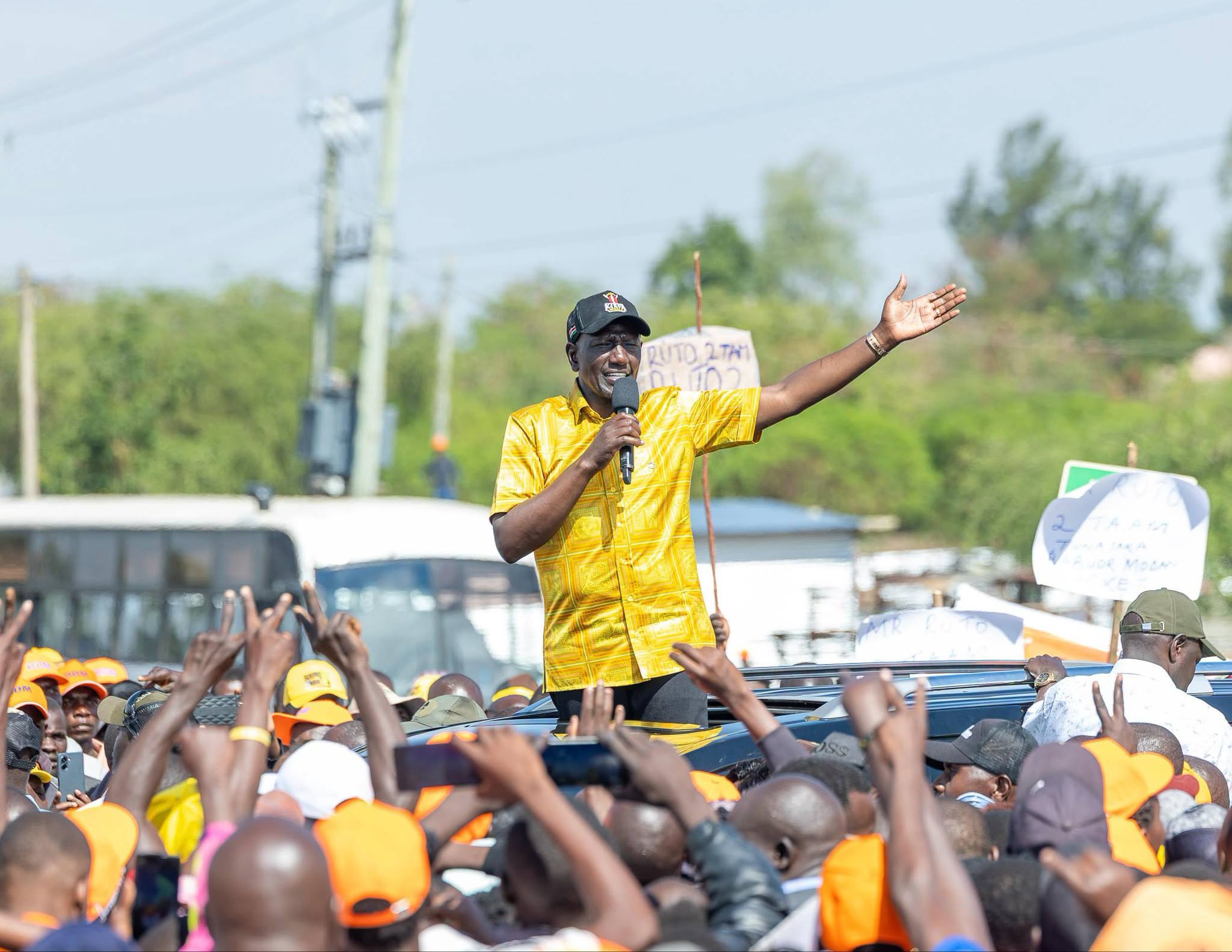
President William Ruto has begun a 10-day development tour of the North Rift region, reaffirming the Government’s commitment to accelerating infrastructure development, creating employment opportunities and empowering local communities through targeted investments. The tour will showcase ongoing and completed projects aimed at improving livelihoods, expanding economic opportunities and strengthening service delivery across the region. With the October 20 Mashujaa Day celebrations approaching, the visit also highlights the administration’s focus on translating development plans into tangible benefits for ordinary Kenyans.
In Nandi County, the President is scheduled to inspect the Maraba-Kebeneti, Timboroa-Meteitei Kopere and Labuiywo Kitechgaa-Kapsokio roads in Tinderet Constituency. Improved road infrastructure is expected to strengthen connectivity between rural communities, trading centres and essential services. Better roads will also help farmers transport agricultural produce to markets more efficiently, reduce transportation costs and minimise post-harvest losses. These improvements could increase farmers’ earnings, stimulate local trade and encourage investment in agricultural processing and other businesses.
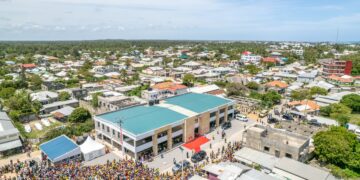
The President will also commission the Maraba Modern Market and flag off a last-mile electricity connectivity project in Tinderet before inspecting Meteitei Hospital. The modern market is expected to provide traders with an improved environment to conduct business, expand access to customers and support the growth of small enterprises. Increased commercial activity can create opportunities for market vendors, transport operators, suppliers and other service providers. Meanwhile, electricity connectivity will enable households and businesses to access reliable power, support productive activities and improve living standards in communities that have previously faced limited access to essential infrastructure.
In Aldai Constituency, Ruto is scheduled to inspect the Kaptumo Affordable Housing Project, launch another last-mile electricity connectivity initiative and commission the Kaptumo Modern Market. Affordable housing represents an important intervention in addressing housing needs while supporting employment across the construction value chain. Building projects generate demand for skilled and unskilled labour, including masons, electricians, plumbers, transporters and material suppliers. The Kaptumo market and electricity initiative are similarly positioned to expand opportunities for traders and entrepreneurs, strengthening household incomes and supporting grassroots economic growth.
The tour will then proceed to Uasin Gishu County, where the President will flag off a last-mile electricity connectivity project in Moiben Constituency and commission the Kenya School of Technical and Vocational Education and Training (TVET) Moiben Campus. The campus is particularly significant for developing a skilled workforce capable of meeting the demands of a changing economy. By expanding access to technical training, the institution can equip young people with practical skills for employment, entrepreneurship and self-employment. Its long-term contribution will depend on training quality, industry partnerships and the alignment of courses with available employment opportunities.
In Soy Constituency, the President will commission the Ziwa Dam 2 Project, launch a last-mile electricity connectivity initiative, commission the Sirikwa-Ziwa Machine Road and inspect Ziwa Level 5 Hospital. These investments address critical requirements for economic productivity and public welfare. The dam project could strengthen water access and support agricultural activities, subject to its intended capacity and operational arrangements. Improved roads will facilitate movement of people and goods, while electricity access can support irrigation, agro-processing and small-scale manufacturing. The hospital inspection will also provide an opportunity to assess healthcare infrastructure and the delivery of essential medical services.
Collectively, the projects demonstrate how investment in roads, electricity, markets, housing, water, education and healthcare can reinforce regional economic growth. Better infrastructure reduces barriers to enterprise, while modern markets create space for commercial expansion and vocational institutions strengthen the supply of skilled labour. For local communities, the greatest benefits will come from ensuring that these investments translate into sustainable jobs, higher household incomes and improved access to essential services. Effective project implementation, transparent management and adequate maintenance will therefore be essential to securing lasting returns.
As the 10-day tour continues, the North Rift region will have an opportunity to assess the Government’s development priorities against the needs of its communities. The initiatives are intended to strengthen the region’s economic foundations, support farmers and small businesses, and expand opportunities for young people and vulnerable households. Ahead of Mashujaa Day celebrations on October 20, the tour places emphasis on development as a practical expression of public service, with the ultimate measure of success being the projects’ long-term impact on livelihoods, productivity and inclusive economic growth.