The government is planning to transform Kenya’s iconic Great Rift Valley Viewpoint along the Rironi-Mau Summit highway into a major tourism destination through a proposed cable car system, modern visitor facilities and potential hotel investments, opening new opportunities for tourism growth and commercial activity along one of the country’s busiest transport corridors.
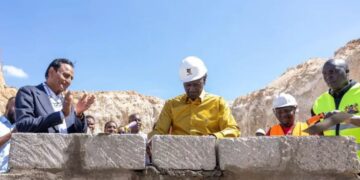
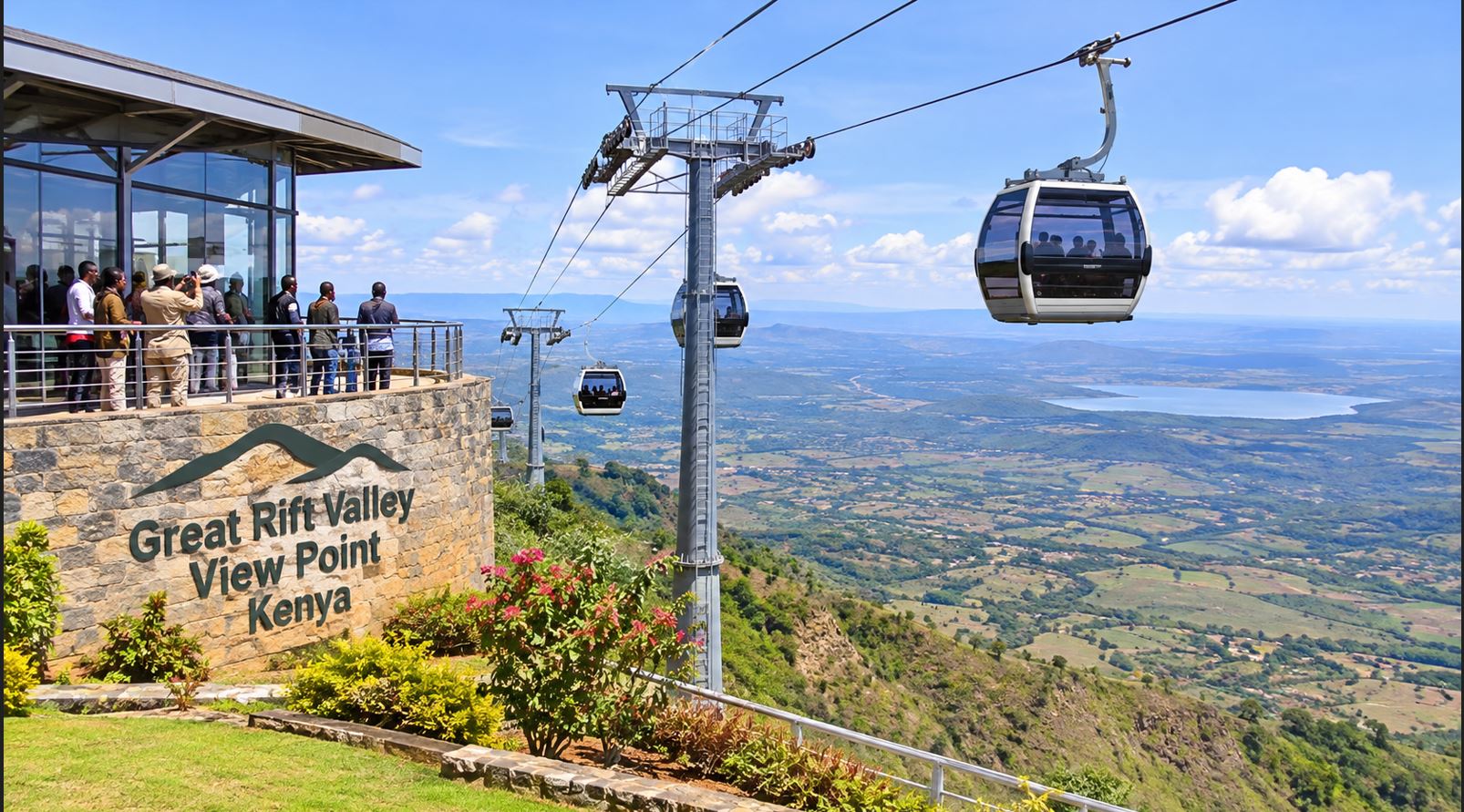
The proposal, announced by Transport Cabinet Secretary Davis Chirchir during an inspection of the ongoing Rironi-Mau Summit highway construction works, envisages installing cable cars across sections of the escarpment to connect the A8 highway corridor with the A8 South. The development would introduce an aerial tourism experience, allowing visitors to appreciate the spectacular landscape of the Great Rift Valley from a different perspective.
The proposed cable cars would offer visitors expansive views of the valley’s dramatic escarpments, green landscapes and distant plains, adding an attraction that goes beyond the traditional roadside experience. By enabling tourists to traverse sections of the escarpment in suspended passenger cabins, the system could make the viewpoint a destination in its own right, encouraging motorists travelling between Nairobi, Nakuru and western Kenya to stop for longer and explore the surrounding area.
The Great Rift Valley Viewpoint already occupies a strategic position in Kenya’s domestic and international tourism landscape. Its location along a major highway makes it accessible to thousands of travelers, while its natural scenery provides an attraction that requires relatively little introduction to visitors familiar with Kenya’s geography. However, its potential has largely been associated with short stops for photography and sightseeing. A more comprehensive tourism facility could change this pattern by offering visitors additional reasons to spend time and money at the location.
Chirchir has also indicated that the government is considering attracting private investors to establish world-class hotels around the viewpoint while modernizing the existing curio shops. These proposals point towards a broader redevelopment concept in which accommodation, retail, hospitality and recreational facilities would complement the cable car experience. Improved restaurants, visitor amenities and organized commercial spaces could make the attraction more appealing to families, tour groups and international travelers seeking convenient destinations along their journeys.
The proposed redevelopment also carries important economic implications for communities and small businesses that depend on tourism along the highway. The removal of traditional curio shops during road construction has disrupted livelihoods for traders who previously sold carvings, soapstone products, beads, Maasai clothing and other souvenirs to visitors. The redevelopment presents an opportunity to reorganize these commercial activities through improved facilities that give local entrepreneurs a place within the emerging tourism economy.
The opportunity should extend beyond souvenir traders. Increased visitor activity could generate demand for locally supplied food, transport, accommodation, tour services, cultural products and other goods. Artisans, farmers, hospitality workers, tour operators and small-scale suppliers could benefit from stronger connections to tourism spending. For surrounding communities, the attraction could become an important source of enterprise development and employment if local participation is incorporated into the project’s planning and commercial arrangements.
An effective redevelopment plan should therefore ensure that existing traders and other local businesses are not sidelined as the attraction becomes more commercially organized. Providing accessible retail spaces, supporting local suppliers and creating opportunities for community-based enterprises would help distribute the economic benefits beyond major investors. This would also strengthen the relationship between tourism development and regional livelihoods.
For Kenya, the proposal fits into the broader ambition of diversifying tourism beyond its established wildlife, coastal and cultural products. The country has internationally recognized national parks, beaches and heritage attractions, but its varied landscapes also offer opportunities to develop distinctive experiences that can attract different categories of visitors. A professionally developed cable car attraction at the Great Rift Valley could strengthen this offering, appeal to domestic holidaymakers and international tourists, and encourage repeat visits.
The viewpoint could also become a more prominent feature of organized travel itineraries connecting Nairobi, the Rift Valley, Lake Nakuru, Naivasha and destinations further west. Better visitor facilities would give tour operators an additional attraction to incorporate into their packages while encouraging travelers to allocate more time to the region. This could create wider commercial benefits for businesses along the tourism circuit rather than concentrating visitor spending at established destinations.
Private sector participation will be central to turning the proposal into a commercially sustainable development. Hotel operators, hospitality investors and tourism companies could bring the capital, technical expertise and operational experience required to establish quality facilities. However, attracting credible investors will depend on a clear investment framework, predictable commercial arrangements, adequate supporting infrastructure and effective coordination between government agencies and private partners.
The technical and environmental considerations will be equally important. Cable car infrastructure across a major escarpment requires rigorous engineering assessments, internationally recognized passenger safety standards, reliable maintenance arrangements and carefully planned access facilities. Land-use planning and environmental safeguards will also be necessary to protect the distinctive landscape that makes the viewpoint attractive in the first place. The development must enhance the natural setting rather than compromise the very resource on which its tourism value depends.
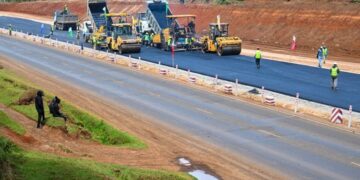
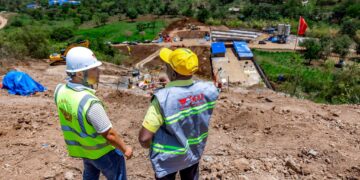
The wider Rironi-Mau Summit highway expansion provides an important transport foundation for the proposed tourism development. Improved connectivity along the corridor could make the viewpoint more accessible while linking it to major economic centres and established tourist destinations. Integrating tourism facilities into this infrastructure investment would demonstrate how transport development can generate opportunities beyond faster movement of people and goods.
Nevertheless, the cable car system and associated hospitality developments remain proposals under consideration. The government has not announced the estimated project cost, financing arrangements, construction timelines or specific investment commitments. Their eventual implementation will depend on feasibility assessments, investment mobilization, planning approvals and the establishment of an effective delivery framework.
The opportunity is significant because the Great Rift Valley Viewpoint combines natural beauty with strategic accessibility. If developed carefully, it could evolve into a destination that supports tourism diversification, attracts private capital, creates commercial opportunities and strengthens local enterprise. The challenge will be to translate the government’s ambition into a well-planned, safe and commercially viable attraction that gives visitors compelling reasons to experience more of Kenya.