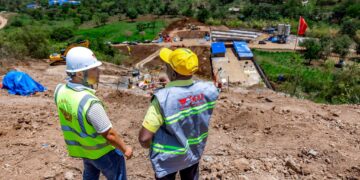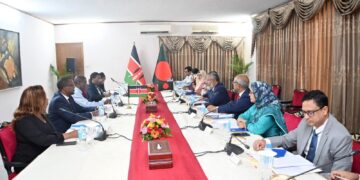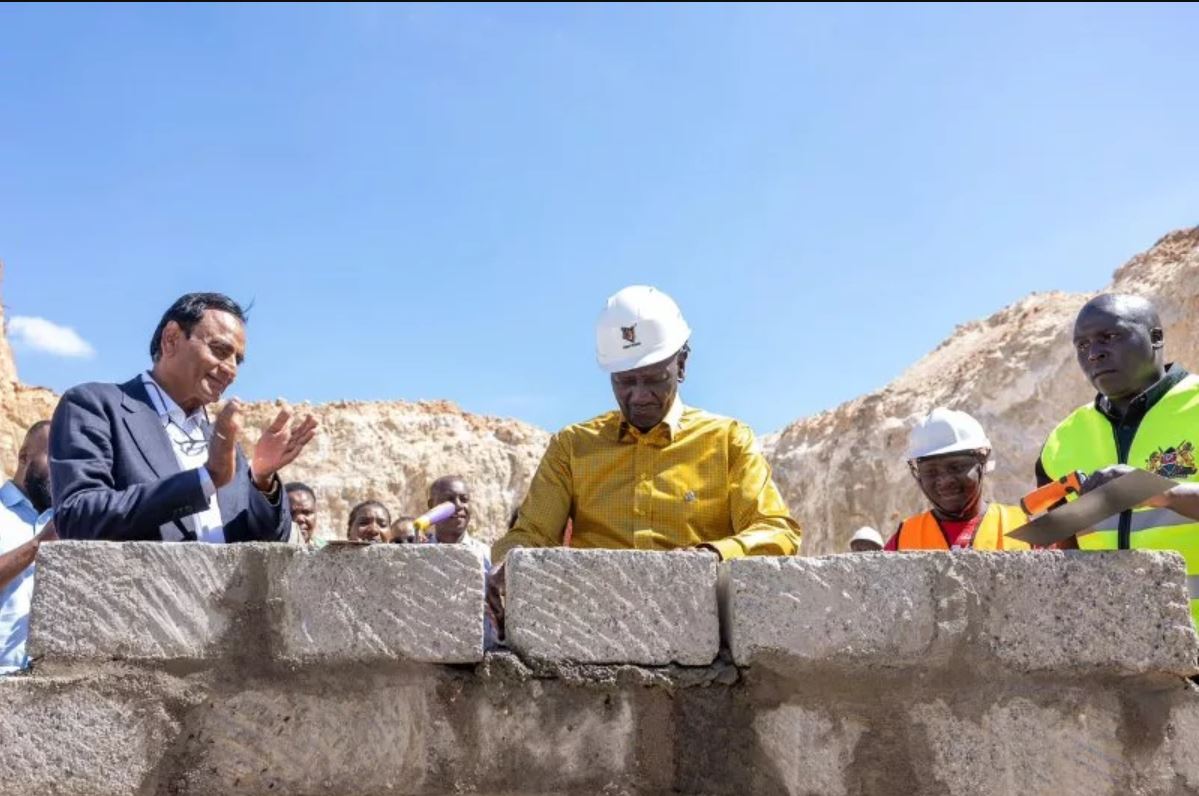
President William Ruto has broken ground for a Sh70 billion clinker and cement manufacturing plant in Ngaaie, Mwingi North, Kitui County, setting the stage for a new industrial investment expected to transform local limestone resources into higher-value products, employment opportunities and wider economic activity. The Devki Group project will be Kitui’s first cement manufacturing facility, extending large-scale industrial production beyond Kenya’s established manufacturing centres and strengthening the country’s domestic building materials industry.
The investment places Kitui’s mineral resources at the centre of a broader economic opportunity: processing raw materials locally rather than relying on their extraction or sale without developing the industries that can generate additional value. During the groundbreaking ceremony on Tuesday, October 27, Ruto said local clinker production would help reduce reliance on imports, create skilled jobs, develop technical expertise and strengthen Kenya’s industrial capacity.
For Devki Group, the choice of Ngaaie reflects the area’s limestone deposits, which provide a key raw material for cement manufacturing. Group Executive Chairman Narendra Raval said the company had considered establishing a plant in the area for about a decade, pointing to the resource base as a central attraction. The investment now offers the prospect of connecting Kitui’s natural resources to a large-scale manufacturing operation with potential benefits extending well beyond the factory gates.
Clinker production is particularly important to the cement industry because clinker is the intermediate material produced by heating limestone and other raw materials at high temperatures. It is subsequently ground with gypsum and, where required, other constituents to produce finished cement. Establishing local clinker manufacturing capacity could therefore strengthen an important stage of the domestic cement supply chain, reducing the industry’s exposure to imported intermediate materials while supporting the production of cement for Kenya’s construction market.
The economic significance will depend on the plant’s eventual capacity, operating costs and ability to compete in the market. Local production could improve supply reliability and reduce exposure to international price fluctuations, shipping costs and disruptions affecting imported clinker. However, the scale of any reduction in imports or effect on cement prices will depend on actual output, demand and competition among manufacturers. The groundbreaking marks the start of the project’s development process, not the commencement of production or proof that these benefits have already been realised.
For Kitui, the investment could broaden an economic base traditionally associated with agriculture, trade and natural resources. Construction of the facility is expected to generate demand for labour, contractors, transport services and other supplies, while subsequent operations could support technical, engineering, maintenance, logistics and administrative roles. Local businesses may also find opportunities in catering, accommodation, equipment servicing, retail and other services required by workers and industrial operations.
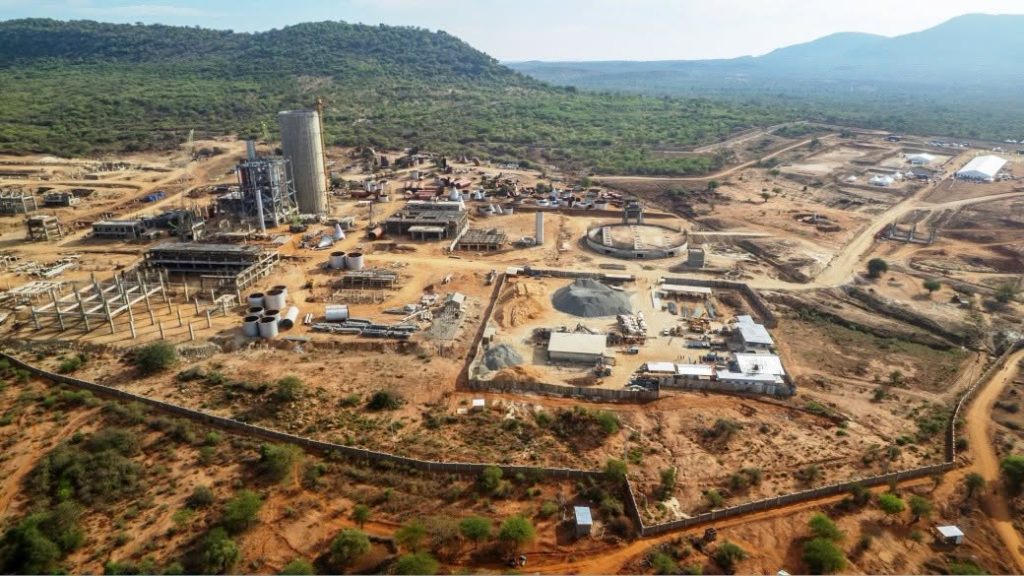
The extent to which these opportunities reach residents will depend partly on how effectively local enterprises and workers connect with the project. Partnerships with technical and vocational training institutions could help prepare young people for industrial employment through practical instruction and apprenticeships. Supplier development, transparent procurement opportunities and engagement with surrounding communities would also help local businesses compete for contracts rather than leaving much of the economic activity to established suppliers from outside the county.
Ruto has urged Devki Group to work with training institutions and create opportunities for local businesses to supply goods and services. This emphasis reflects an important consideration in regional industrialisation: the value of a factory is measured not only by its production but also by its contribution to skills development, enterprise growth and the circulation of income within the surrounding economy.
The location also highlights the potential to distribute industrial investment more widely across Kenya. Concentrating manufacturing in established urban and industrial corridors can leave resource-rich counties with limited opportunities to capture the value of their raw materials. Processing limestone in Kitui could help address that imbalance, provided the region develops the supporting infrastructure, skilled workforce, market access and supplier networks needed to sustain industrial activity.
The plant also comes at a time when Kenya’s construction sector requires dependable supplies of locally manufactured materials for housing, commercial buildings and infrastructure. Government housing and other construction programmes provide part of the wider market context for domestic cement producers. Additional local clinker capacity could improve the industry’s ability to respond to demand, although the project’s eventual contribution will depend on its production scale, implementation and operating performance.
The investment fits into Kenya’s wider ambition to expand manufacturing, deepen domestic value addition and attract private capital into productive sectors. Processing local resources into finished industrial products can retain more economic activity within the country, build technical capabilities and create demand for supporting industries. Yet these outcomes depend on efficient operations, competitive production costs, reliable infrastructure and sustained demand rather than investment announcements alone.
Environmental responsibility will be equally important to the project’s long-term contribution. Cement manufacturing and limestone quarrying require careful management of dust, emissions, water use, land disturbance and surrounding ecosystems. Compliance with environmental regulations, worker safety standards and effective land rehabilitation will be essential to balancing industrial expansion with the interests of neighbouring communities.
The Sh70 billion Devki investment creates an opportunity for Kitui to move further into industrial production while contributing to Kenya’s domestic cement supply chain. Its lasting significance will ultimately depend on whether the project progresses successfully from groundbreaking to operation and translates the county’s limestone wealth into competitive manufacturing, sustainable employment and opportunities that local communities can access.