President William Ruto has declared that Kenya has crossed a historic threshold in its pursuit of Universal Health Coverage (UHC), with 32.3 million Kenyans registered under the Social Health Authority (SHA). The milestone, he said, marks an important shift from debating whether universal healthcare is achievable to ensuring that every Kenyan can access quality, affordable and dignified medical services.
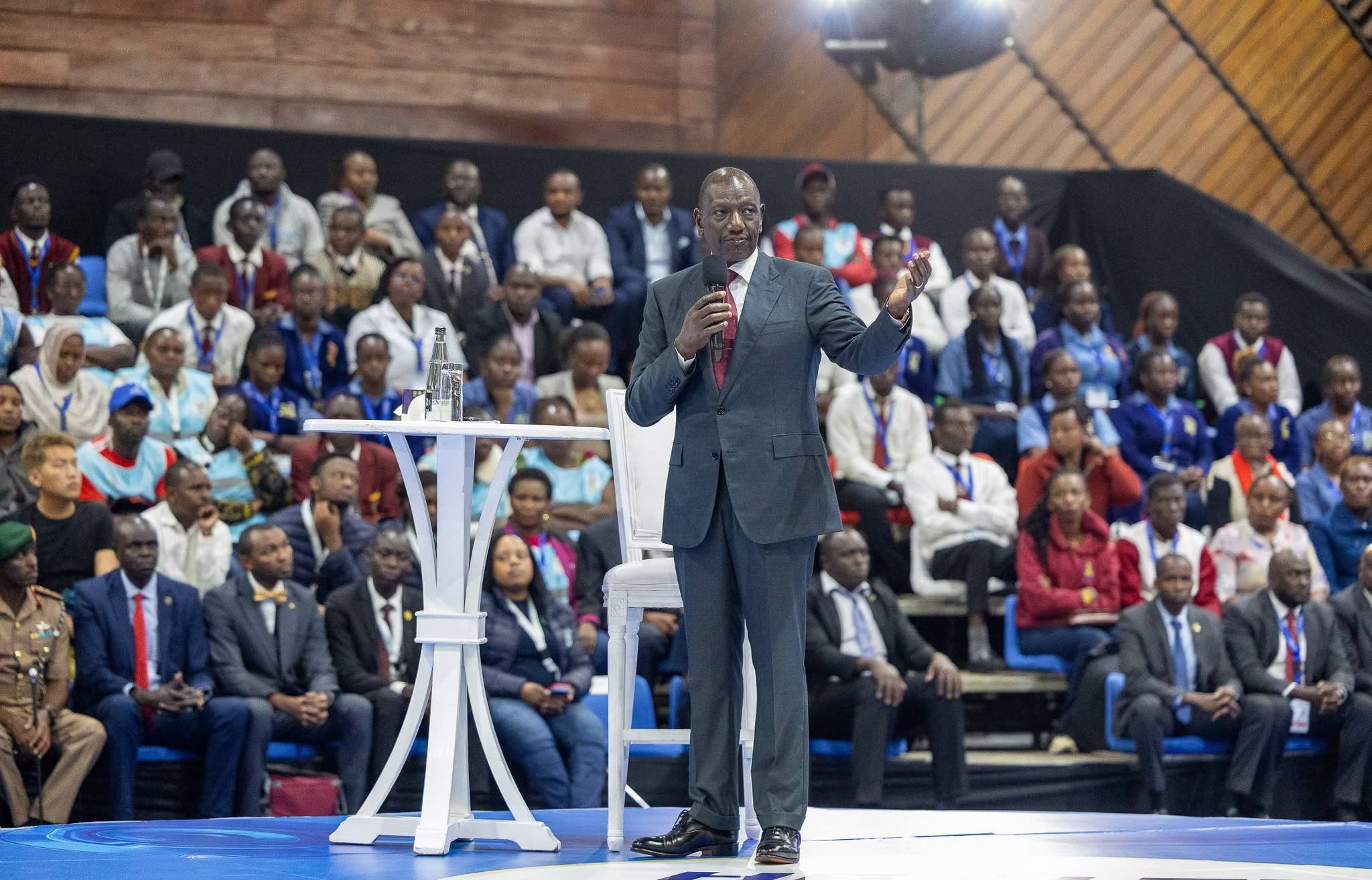
Ruto made the remarks during the opening of the Kenya Health Summit 2026 at the Kenyatta International Convention Centre in Nairobi. The summit brought together national and county governments, healthcare professionals, development partners, private-sector players and other stakeholders to evaluate the progress of the country’s health reforms under the theme “Reform Delivered. Health as a Right.”
The President said the scale of SHA registration demonstrates growing national commitment to universal healthcare. With 32.3 million people enrolled, the government now faces the more important task of making the system reliable at hospitals and health centres across all 47 counties. The objective is to ensure that registration translates into actual access to treatment when Kenyans need it.
Ruto positioned UHC as a central pillar of his administration’s Bottom-Up Economic Transformation Agenda (BETA), arguing that economic empowerment cannot be sustained when illness continues to consume household savings. By reducing the financial burden of healthcare, the government hopes to protect families from catastrophic medical expenses while improving productivity and household economic security.
The administration’s deliberate effort to build SHA has been anchored in four major laws enacted in October 2023—the Primary Health Care Act, Social Health Insurance Act, Digital Health Act and Facility Improvement Financing Act. Together, the laws established the legal and institutional foundation for Taifa Care and marked a fundamental departure from the previous NHIF framework.
The government has also expanded healthcare beyond insurance registration by investing in primary healthcare. According to Ruto, 107,800 community health promoters have been deployed nationally, reaching more than nine million households and referring over 750,000 people for treatment. This network is critical because it brings preventive and basic healthcare closer to communities rather than relying solely on hospitals.
Financial investments have accompanied the reforms. The government allocated Sh27.4 billion to the Primary Health Care Fund, with Sh23.3 billion already disbursed to support more than 20 million outpatient visits benefiting over 15 million Kenyans. SHA has also facilitated treatment for about eight million people, supported more than 1.5 million mothers to deliver safely and financed over 500,000 surgical procedures.

The reforms have been accompanied by efforts to strengthen hospitals’ capacity to provide services. Health Cabinet Secretary Aden Duale reported that KEMSA’s national order fill rate has risen from 35 percent when the administration took office to 95 percent. KEMSA, backed by a Sh10 billion credit facility, now supplies more than 11,400 health facilities, with primary healthcare facilities receiving a significant share of supplies.
Medical equipment and human resources have similarly received attention. Equipment worth Sh9.68 billion has been installed in 251 facilities across 44 counties, including CT scanners, MRI machines, digital X-ray machines and ultrasound equipment. The government has also deployed 24,573 healthcare interns over four years and is recruiting another 5,000 nurses to address staffing shortages.
Importantly, the reforms are being implemented jointly with county governments, which remain responsible for much of healthcare delivery. Council of Governors Chair Ahmed Abdullahi said counties had received Sh46 billion through SHA, with Sh31.4 billion paid to hospitals and Sh14.2 billion reimbursed to primary healthcare facilities. Primary care networks have also expanded from 89 to 277.
The progress comes amid sustained political criticism of SHA, particularly from opposition leaders who have repeatedly questioned its implementation, financing and administration. While such scrutiny remains important in holding government accountable, the scale of registration, funding, healthcare infrastructure investment and service delivery demonstrates that the administration has made a deliberate effort to establish and operationalise the system rather than abandon it in the face of criticism.
Nevertheless, the government itself acknowledges that SHA is not yet a finished project. Challenges remain around registration, clarity of benefits, claims processing, digital systems, fraud, unlawful charges and unequal distribution of healthcare workers. These weaknesses must be addressed if the impressive registration figure is to translate into meaningful universal healthcare for ordinary Kenyans.
The significance of the 32.3 million registrations therefore extends beyond the numbers. Kenya has established a broad institutional foundation for UHC, but its ultimate success will be determined by whether patients can walk into a facility and receive dependable, affordable and dignified treatment without discrimination or financial hardship. As Ruto stressed, governments may change, but the constitutional right to healthcare must remain protected for every Kenyan.