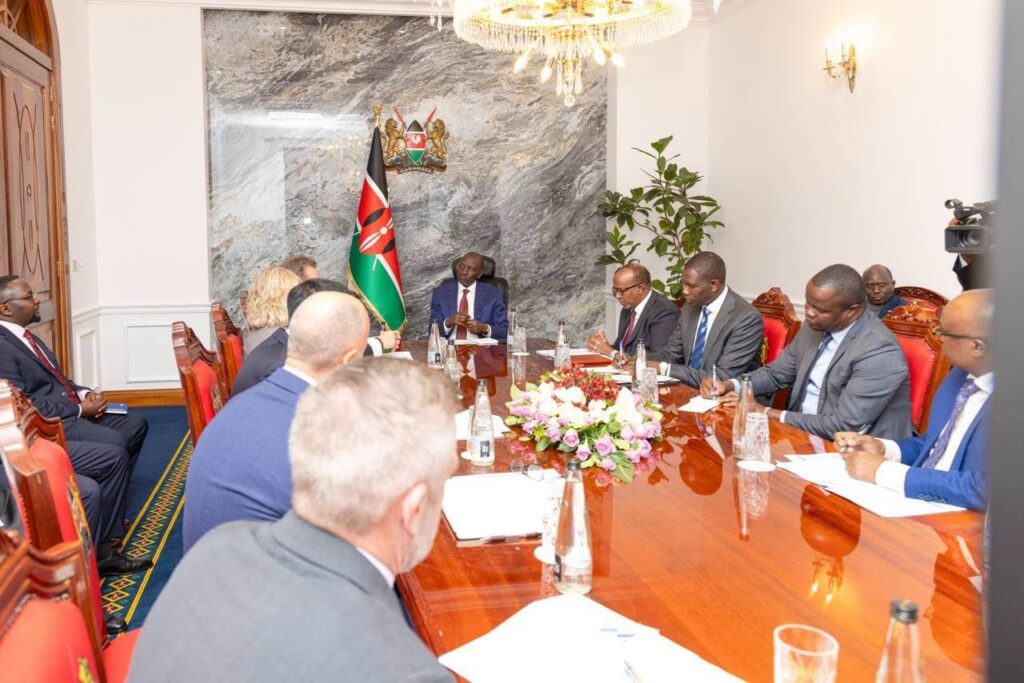
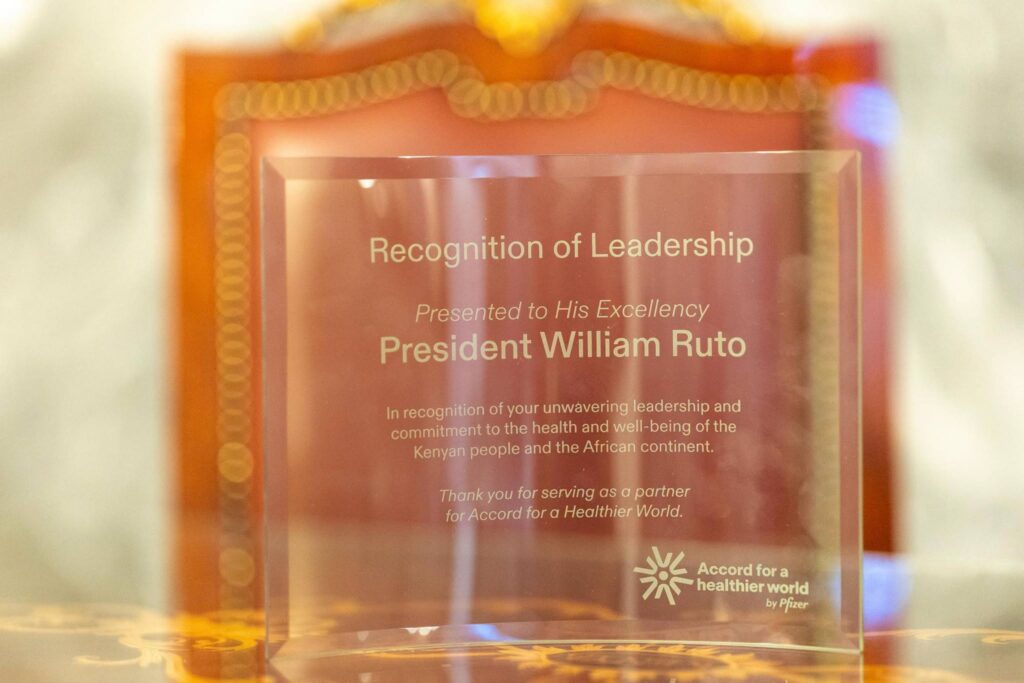
The Government of Kenya has welcomed recognition from Pfizer for the progress being made in implementing Universal Health Coverage (UHC) and championing health initiatives across Africa. The recognition comes as the country continues to transform healthcare financing and service delivery, with the government reaffirming its commitment to building a system that is accessible, affordable and responsive to the needs of all Kenyans.
A major pillar of the programme has been the establishment of the Social Health Authority (SHA), which has so far registered 32.5 million Kenyans. The government says the mobilisation of resources to finance healthcare for millions of citizens has been made possible through the contributions of Kenyans, demonstrating the importance of shared responsibility in sustaining universal healthcare.
Parliament has also played a critical role by enacting legislation establishing the various funds that underpin the country’s healthcare system. These include mechanisms supporting primary healthcare, social health insurance, as well as emergency, chronic and critical illness care. The legislative framework is intended to provide a more structured and sustainable approach to financing healthcare services.
Technology has emerged as another important component of the reforms. Through the Digital Health Agency, the government has accelerated the digitisation of health services, with the aim of improving transparency, strengthening accountability and eliminating fraud. The digital transformation is expected to make it easier to track healthcare services and resources while improving efficiency across the health system.
At the centre of the reforms are healthcare workers, whose role remains essential to successful UHC implementation. The government has worked with county administrations to recruit additional health personnel, address long-standing disputes relating to collective bargaining agreements and expand community health promotion. At the same time, efforts to strengthen the Kenya Medical Supplies Authority (KEMSA) have raised its hospital medicine refill rate to 91 per cent, up from 40 per cent, helping improve the availability of essential commodities.
The government is also partnering with manufacturers to supply, install, maintain and upgrade critical medical equipment, including dialysis machines, CT scans, MRI machines, digital X-rays and laboratory kits. Under the fee-for-service model, the equipment is provided without upfront costs to government, helping expand access to specialised care while reducing the immediate financial burden on public hospitals. The government says it will continue refining the universal healthcare programme until it becomes truly universal and ensures that no Kenyan is left behind.