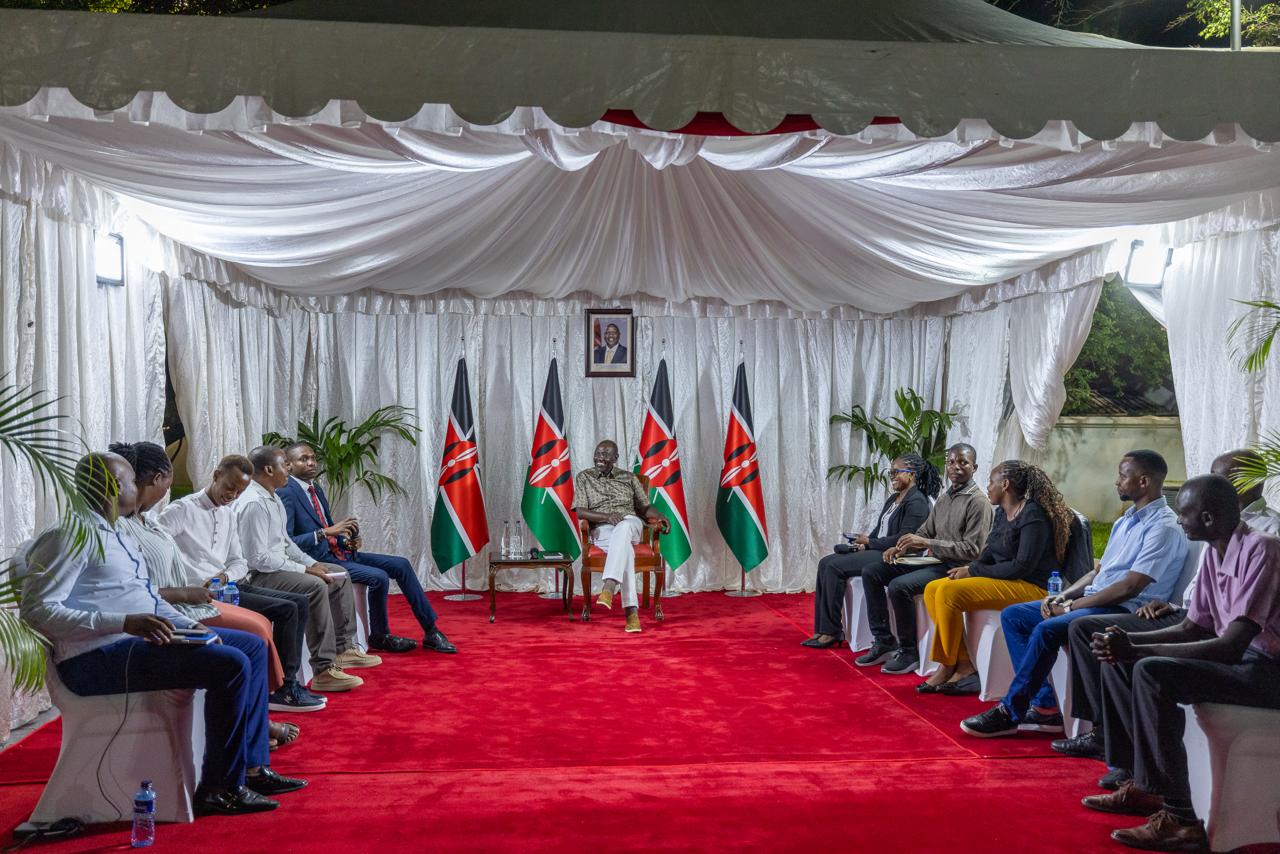
President William Ruto is increasingly positioning his development record as the strongest argument for a second term, with Deputy President Kithure Kindiki declaring that the Kenya Kwanza administration is ready to face Kenyans with a scorecard of its achievements ahead of the 2027 General Election. The message underscores the President’s commitment to delivering tangible development across the country, regardless of political affiliation, ethnicity or geographical location. Unlike opposition leaders who have previously served in government but are yet to present a convincing alternative development agenda, Ruto is preparing to seek a fresh mandate on the strength of his administration’s record.
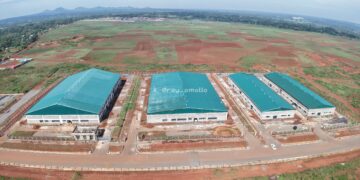
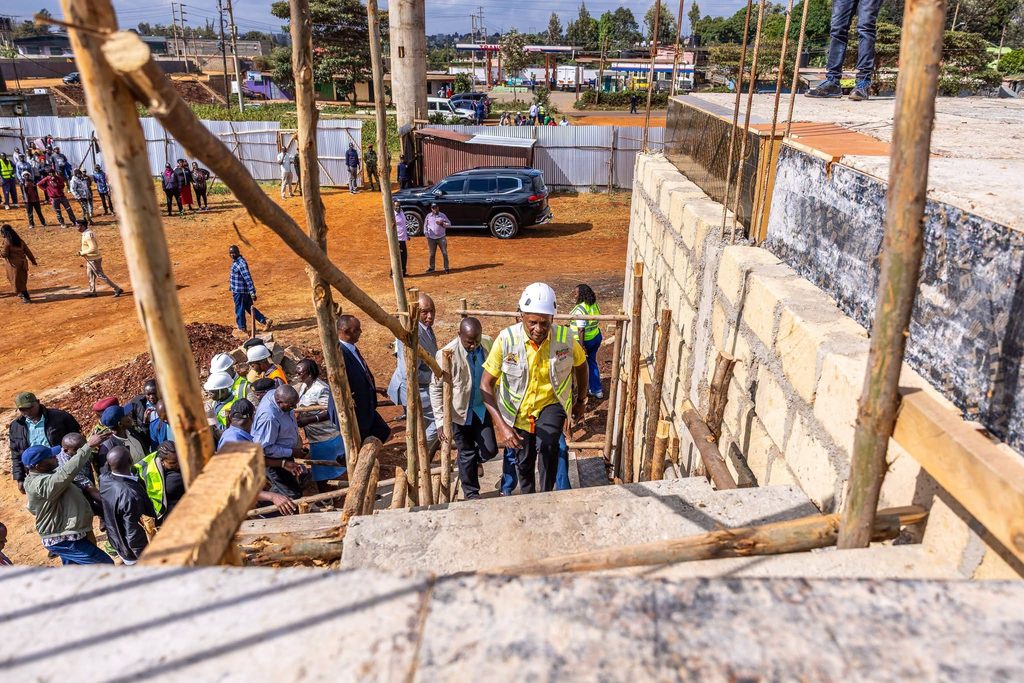
Speaking during an inspection of the construction of Karura Ka Nyungu Technical Training Institute in Kabete Constituency, Kiambu County, Kindiki reaffirmed the government’s determination to ensure that every region benefits from national development programmes. He announced plans to construct student hostels to complement the institution’s facilities, highlighting the administration’s focus on expanding access to technical and vocational education. The project reflects a broader development approach aimed at equipping young people with practical skills, improving employment prospects and creating opportunities beyond traditional academic pathways.
Kindiki maintained that development must not be reserved for regions that support the ruling coalition, insisting that every Kenyan deserves access to public investment and essential services. This position reinforces Ruto’s message of inclusive governance, in which roads, schools, affordable housing, health facilities, markets and other infrastructure are intended to benefit citizens across political and ethnic divides. The administration’s approach challenges the politics of selective development, where communities have historically complained that their electoral choices determine their access to government projects. For Ruto, the emerging scorecard offers an opportunity to demonstrate that national leadership must serve the entire country.
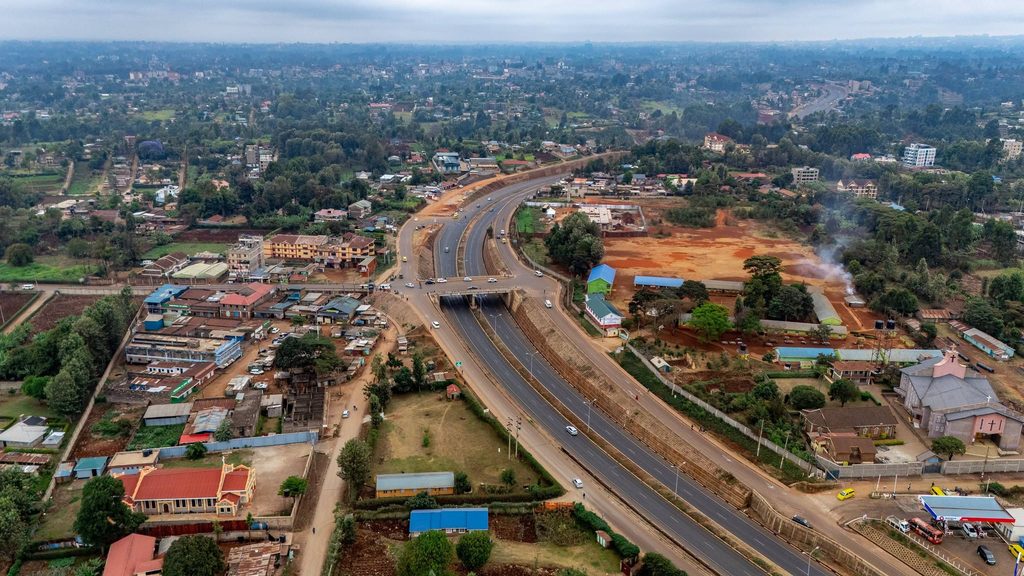
The President’s development agenda also places emphasis on turning campaign promises into visible projects that improve livelihoods. Through investments in education, infrastructure, housing and economic opportunities, the administration is seeking to demonstrate that development is not merely a campaign slogan but a continuing responsibility of government. Kindiki’s inspection of projects across the Mt Kenya region, including Thika, Kabete, Kiambaa and Gatundu South, illustrates the government’s emphasis on monitoring implementation and working with elected leaders to address local development needs. Such engagements also reinforce the role of cooperation between national and local leadership in accelerating project delivery.
Kindiki’s endorsement of Ruto’s re-election bid comes with a direct challenge to opposition leaders who have previously occupied influential positions in government. Having held public office, these leaders face questions about the scale, reach and sustainability of the development achievements they can present to voters. While criticism is an essential part of democratic accountability, the 2027 contest is likely to demand more than political rhetoric, personal attacks and promises. Opposition leaders will need to convince Kenyans that they offer a credible alternative capable of delivering better results. Ruto, meanwhile, intends to make his development record central to the argument that continuity can sustain ongoing projects and expand opportunities for more communities.
As the country approaches the 2027 elections, the contest is therefore shaping up to be a test of competing development claims and political credibility. Kindiki argues that Ruto deserves a second term because of the work undertaken to realise development projects, while the administration is preparing to place its performance before voters for assessment. Ultimately, Kenyans will judge the government on completed projects, service delivery, economic opportunities and the extent to which public investment improves everyday life. By insisting that development should transcend tribe and political inclination, Ruto is seeking to build a national case for re-election around delivery, accountability and the promise of leaving no region behind.