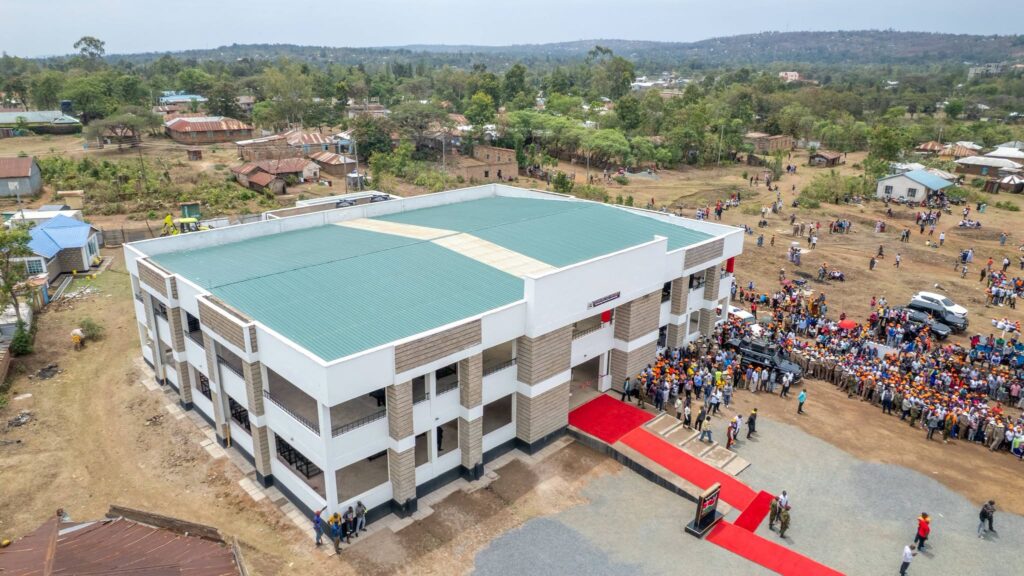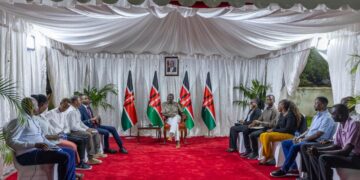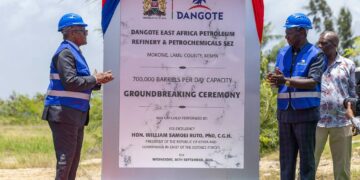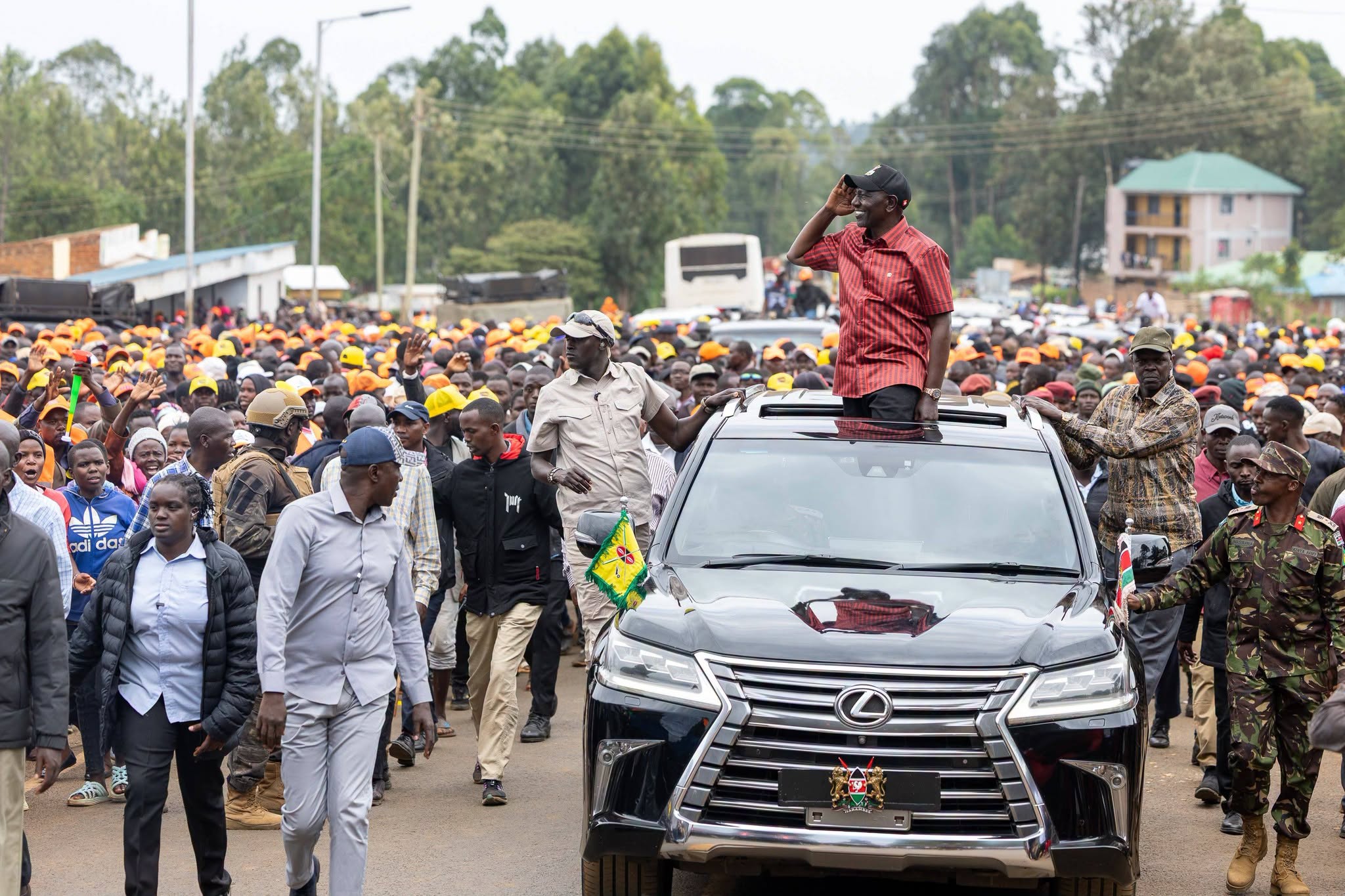
President William Ruto’s four-day development tour of the Nyanza region from September 13 to 17, 2026, placed infrastructure and economic transformation at the centre of his administration’s engagement with Kisumu, Siaya, Migori and Homa Bay counties. The President inspected and commissioned ongoing projects while announcing new investments in roads, affordable housing, markets, electricity, water, sanitation, aviation and the blue economy. At the beginning of the tour, the government put the overall value of its development package for Nyanza at between Sh600 billion and Sh700 billion, underlining its emphasis on equitable distribution of national resources.
In Kisumu, Ruto highlighted major investments aimed at transforming the city and strengthening its role as a regional economic hub. He commissioned the Sh8.4 billion Lake Victoria Water and Sanitation Project, which is expected to extend reliable water services to an additional 53,000 households and sewerage connections to 23,000 households. The President also announced approximately Sh23 billion for eight roads covering about 270 kilometres, while housing commitments were placed at about Sh44 billion for 12,000 affordable housing units, 20 modern markets and student hostels with 12,000 beds. The projects are intended to improve urban services while supporting employment and business activity.
In Siaya, the development programme focused heavily on roads, housing, electricity, healthcare and strategic infrastructure. Ruto inspected the Dhogoye Bridge and several road projects while visiting Siaya Hospital and the stadium under construction. The county is also set to benefit from approximately Sh28 billion for 10,000 affordable housing units, 20 modern markets and student hostels with capacity for about 8,000 students. An additional Sh2.8 billion was highlighted for last-mile electricity connections targeting about 21,000 households. The President also pointed to Siaya’s potential role in future nuclear power generation, signalling a longer-term energy investment beyond the current infrastructure programme.
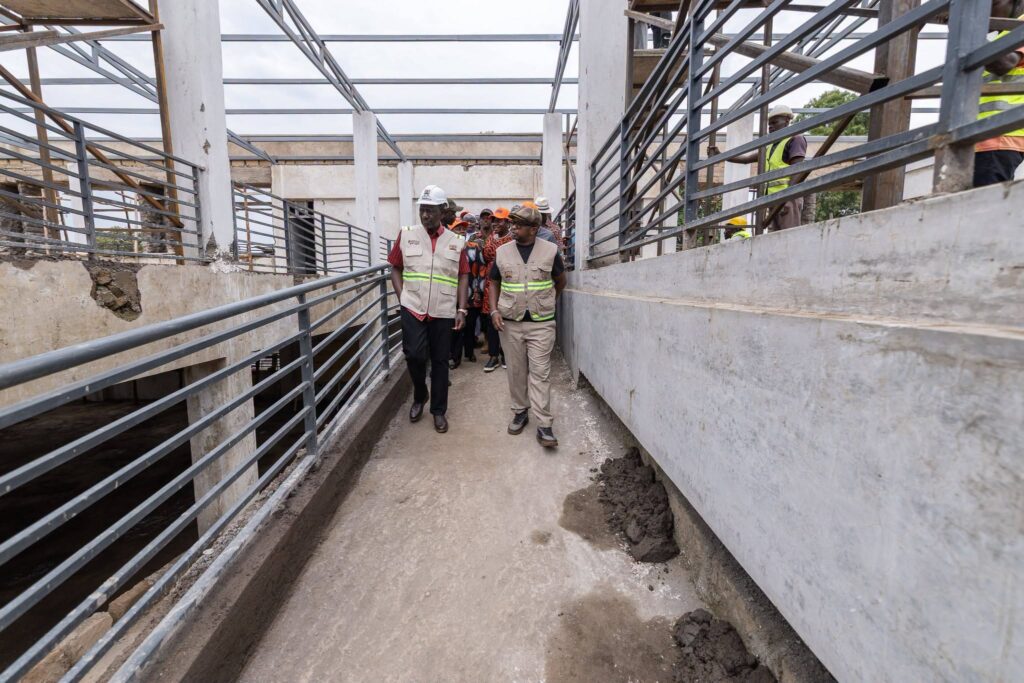
Migori’s leg of the tour placed particular emphasis on roads, electricity and the revival of the sugar industry. Ruto inspected key road projects, including the Stella-Sibuoche-Gogo road and the Kanyawanga-Kwoyo-Madiaba route, while also visiting the Masaba electricity sub-station. The county has about Sh28 billion worth of highlighted projects, including 8,000 affordable housing units, 19 markets and student hostels. Road investment has increased significantly, with the government targeting a 320-kilometre tarmac network. The President also addressed concerns surrounding Sony Sugar, pledging continued support for farmers and workers and assuring stakeholders that the company’s nuclear estate would not be sold.
Homa Bay concluded the tour with an emphasis on modern markets, connectivity and the wider Lake Victoria economy. Ruto inspected the Misambi modern market, handed over the Kendu Bay market and opened the Kijebi modern market. He announced Sh3.5 billion for 21 modern markets in the county, forming part of the national programme to construct 600 facilities. The President also pledged to expand Kabunde Airstrip to accommodate larger aircraft, with the objective of improving regional connectivity and supporting commerce and investment. These initiatives complement broader plans for piers, landing sites, aquaculture and other blue-economy projects around Lake Victoria.
Beyond individual projects, the Nyanza tour presented the government’s development agenda as an effort to address longstanding infrastructure and service-delivery gaps while unlocking the region’s economic potential. Ruto repeatedly described the investments as Nyanza’s share of national resources and linked some initiatives to ideas associated with the late Raila Odinga. The tour also carried political significance, with leaders from the region participating in engagements under the broad-based government arrangement. As Kenya approaches the 2027 General Election, the government’s emphasis on roads, housing, electricity, markets, water, healthcare, agriculture and the blue economy places implementation and measurable economic benefits at the centre of the debate over its record in Nyanza.