President William Ruto has reiterated that his administration is firmly focused on delivering solutions to the challenges facing Kenyans, rather than engaging in blame games. Speaking during a church service at Presbyterian Teachers’ College Rubate, the President emphasized that his leadership approach is anchored on responsibility, action, and measurable results.
He noted that the government has already identified key national challenges and embarked on decisive interventions across multiple sectors. According to the President, the administration’s strategy is not to shift responsibility but to confront issues directly through reforms and investments aimed at long-term national transformation.
President Ruto highlighted that his government is undertaking bold reforms in critical sectors such as agriculture, education, healthcare, and infrastructure. These reforms, he said, are designed to create sustainable growth, improve livelihoods, and enhance service delivery across the country.
In the education sector, he pointed to the successful stabilization of the Competency-Based Curriculum, which had initially faced significant hurdles. Rather than assigning blame, the government recruited more teachers, expanded classroom infrastructure, and restructured the university funding model to ensure inclusivity and sustainability.
On agriculture, the President said his administration tackled the high cost of inputs and cartel-driven inefficiencies by introducing fertilizer subsidies and digitizing procurement systems. These interventions, he noted, have already resulted in improved earnings for farmers dealing in maize, coffee, and sugar.
Healthcare reforms have also been central to the government’s agenda, with the introduction of the Social Health Authority replacing the defunct NHIF. The new model aims to provide universal health coverage more efficiently, addressing past inefficiencies and expanding access to quality care.
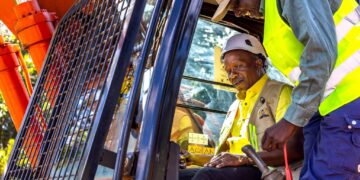
The President further underscored his administration’s development footprint in the greater Mt. Kenya region, citing ongoing infrastructure projects as evidence of a solutions-driven government. Key among these is the construction of modern markets under the Economic Stimulus Programme, designed to empower small-scale traders and boost local economies.
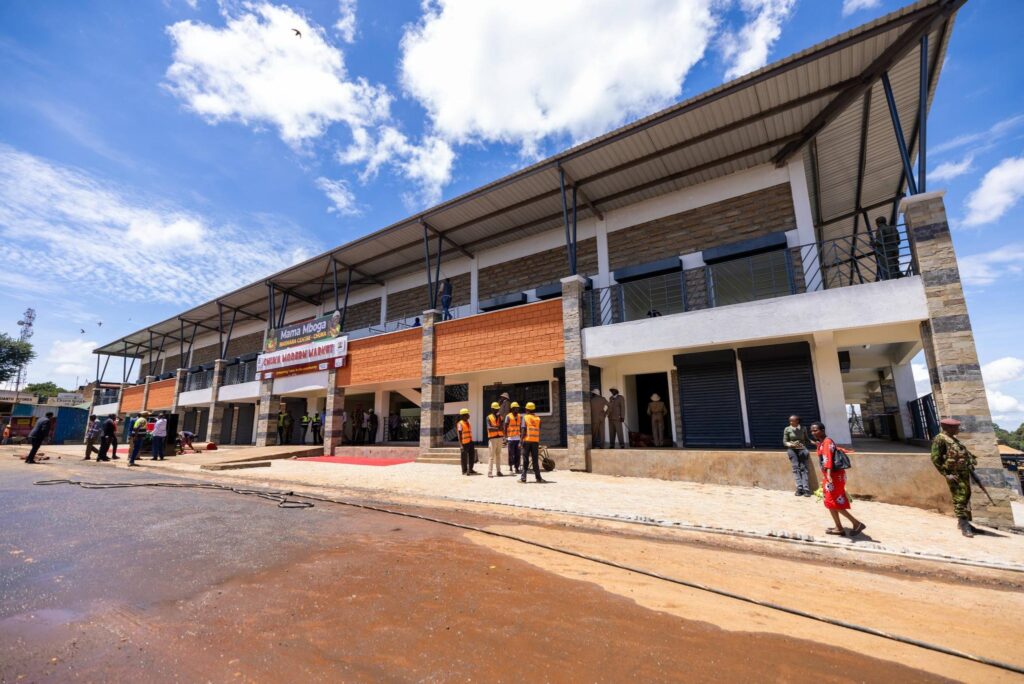
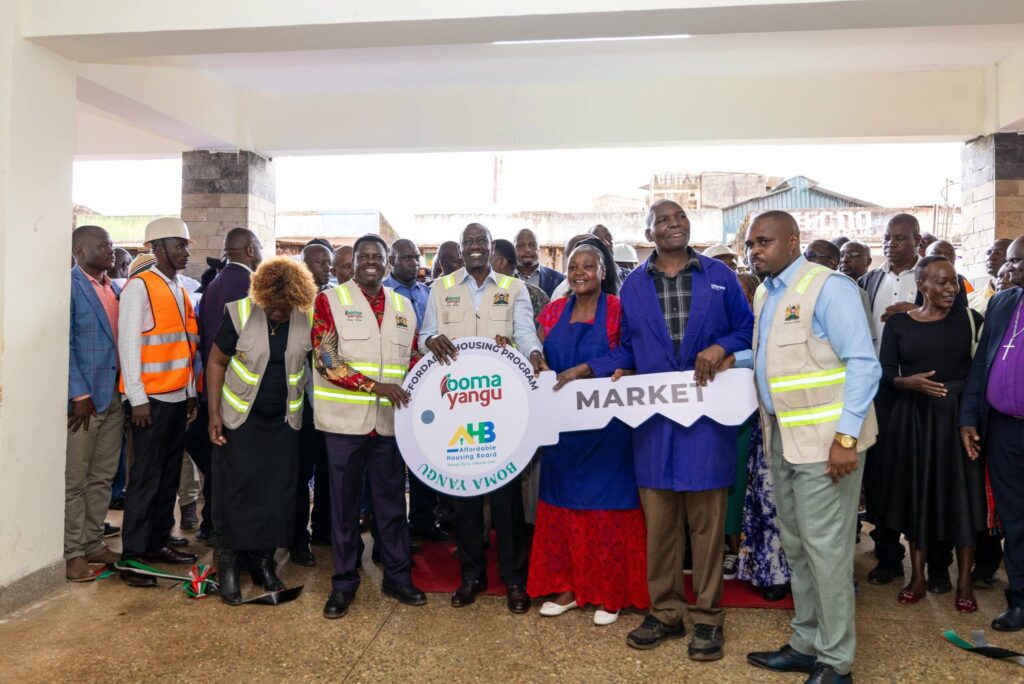
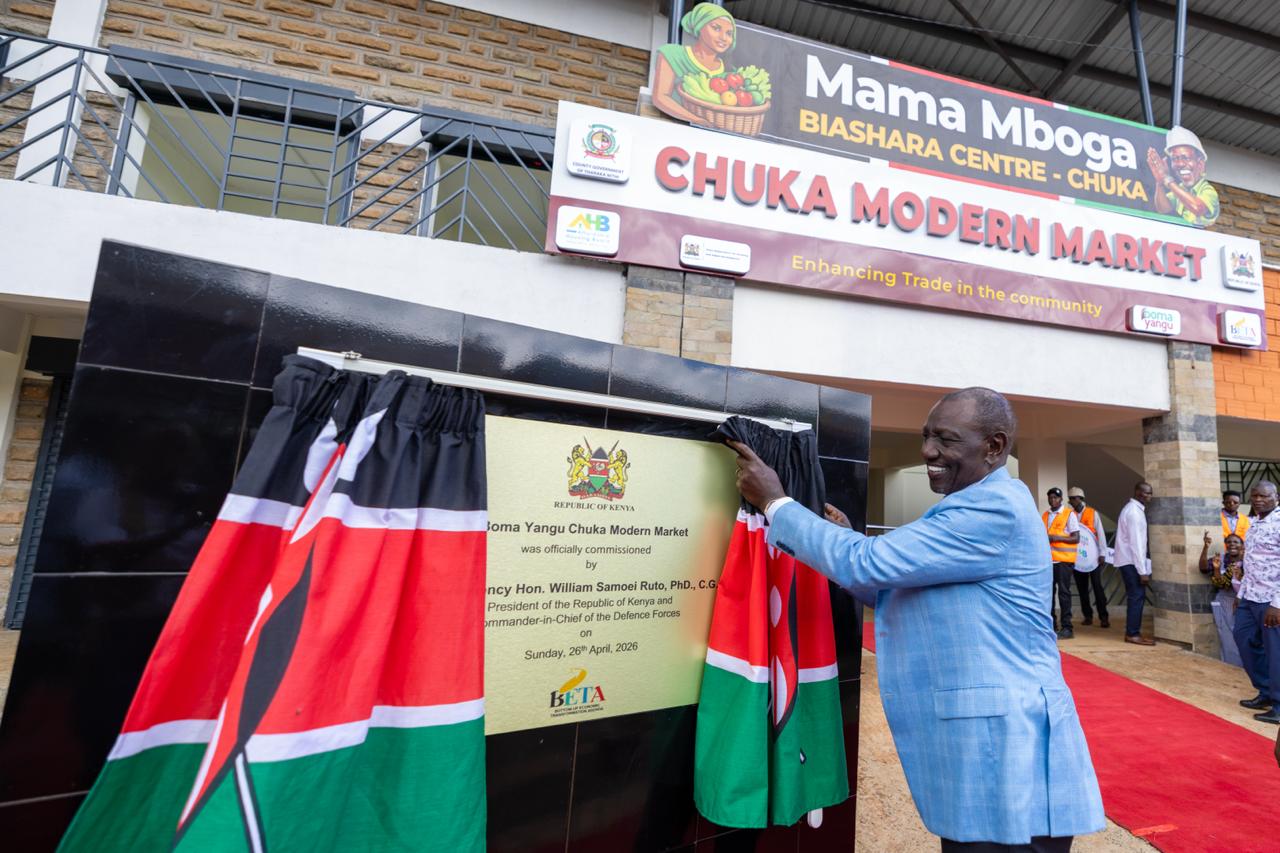
In Tharaka-Nithi County, President Ruto commissioned the Chuka Modern Market, a KSh300 million facility that is part of a broader plan to build 10 such markets in the county. He also pledged a KSh1 billion Phase II expansion to accommodate over 1,000 traders, complete with modern amenities including a basement bus park.
The government is also investing heavily in affordable housing, with KSh7.5 billion allocated for the construction of 5,000 housing units in the county. In addition, KSh2.7 billion has been set aside for student hostels to support over 6,000 learners, reflecting a broader push to improve living standards and education infrastructure.
Infrastructure development remains a key pillar, with the government committing KSh7 billion for the construction of the Nithi Bridge and the expansion of the Makutano-Meru-Maua road into a dual carriageway. These projects are expected to enhance connectivity, trade, and regional economic integration across the Mt. Kenya corridor.
The President also highlighted progress in rural electrification, noting that 12,000 households in Tharaka-Nithi have been connected to electricity over the past three years. An additional KSh920 million has been allocated this year to connect 9,000 more households, further expanding access to power and supporting economic activity.
Youth empowerment remains central to the administration’s agenda, with programmes such as the NYOTA Programme providing skills training and employment pathways. The initiative is part of a broader effort to equip young people with practical experience and reduce unemployment through structured opportunities.
President Ruto concluded by urging leaders to prioritize service delivery over political rhetoric, emphasizing that leadership should be judged based on tangible development outcomes. He expressed confidence that Kenyans will evaluate his administration based on its track record, noting that his focus remains on transforming the country for future generations rather than short-term political gains.