President William Ruto secured a major financing breakthrough that reinforces Kenya’s agricultural transformation agenda, unlocking a combined $303 million package from the International Fund for Agricultural Development (IFAD) in a move set to reshape the country’s dairy sector and strengthen smallholder farming nationwide. At the center of the agreement is an immediate $40 million facility dedicated to revitalizing Kenya’s dairy industry, a cornerstone of rural livelihoods and a key pillar under the Bottom Up Economic Transformation Agenda, signaling a decisive shift toward modern, market driven agriculture that prioritizes productivity, value addition, and higher farmer incomes.
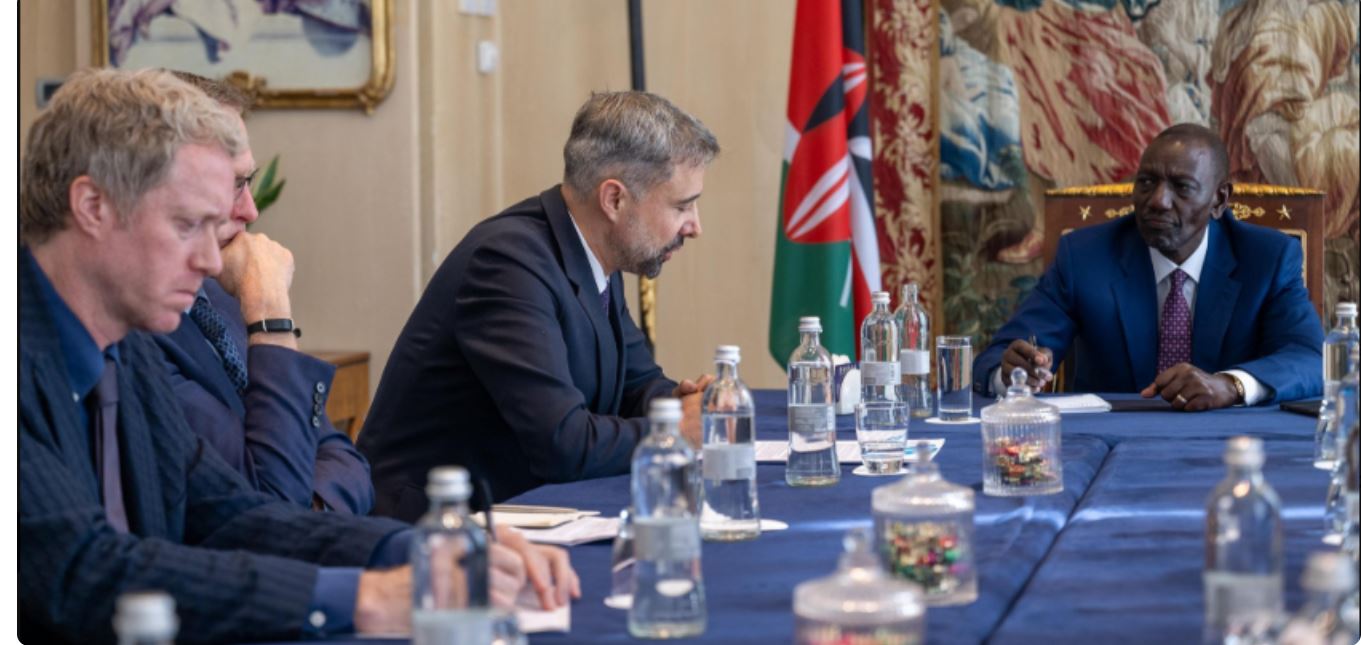
The deal was secured following high-level engagements in Rome between President Ruto and IFAD President Alvaro Lario, underscoring growing international confidence in Kenya’s policy direction and reform momentum within the agricultural sector while positioning the country as a credible partner in global efforts to strengthen food systems and rural economies. The $40 million dairy investment is expected to unlock long standing bottlenecks that have constrained the sector’s full potential through targeted interventions including improved breeding systems to enhance herd quality, expanded access to high quality feed, and strengthened veterinary and extension services, alongside critical investments in cold chain infrastructure and milk collection networks aimed at reducing post-harvest losses and ensuring consistent quality for processors and markets.
For farmers, the impact is expected to be immediate and tangible, with higher milk yields, improved market access, and more stable pricing structures set to boost household incomes while reducing vulnerability to climate shocks, as the integration of modern technologies and data driven practices enables more efficient production and stronger responsiveness to market demand. Beyond productivity gains, the initiative is designed as a catalyst for inclusive rural development, with smallholder farmers, youth, and women across the dairy value chain expected to benefit from expanded opportunities in production, aggregation, processing, and distribution, supported by stronger cooperative systems and agribusiness linkages that deepen local enterprise development and job creation.
The broader financing package includes a second phase valued at $263 million to be rolled out over three years targeting small scale farmers across multiple value chains, strengthening agricultural financing systems, enhancing resilience, and scaling up models that connect farmers to markets and financial services while aligning closely with Kenya’s food security priorities by reducing reliance on imports and building more resilient domestic supply chains. Implementation will rely on coordinated action between the national government, county administrations, dairy cooperatives, and development partners to ensure effective delivery at the grassroots, while also advancing climate smart agriculture through investments that improve efficiency, sustainability, and long-term productivity.
This financing milestone marks a forward-looking intervention that reinforces Kenya’s leadership in agricultural reform, signaling strong policy direction and commitment to modernizing key productive sectors while unlocking rural potential, boosting incomes, and translating strategic international partnerships into tangible gains for farmers and the wider economy.
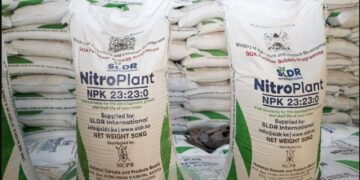
President William Ruto has announced further reductions in subsidized fertilizer and maize seed prices, with a 50kg bag of fertilizer set to cost Sh2,000, down from Sh2,500, and...
Read moreDetails