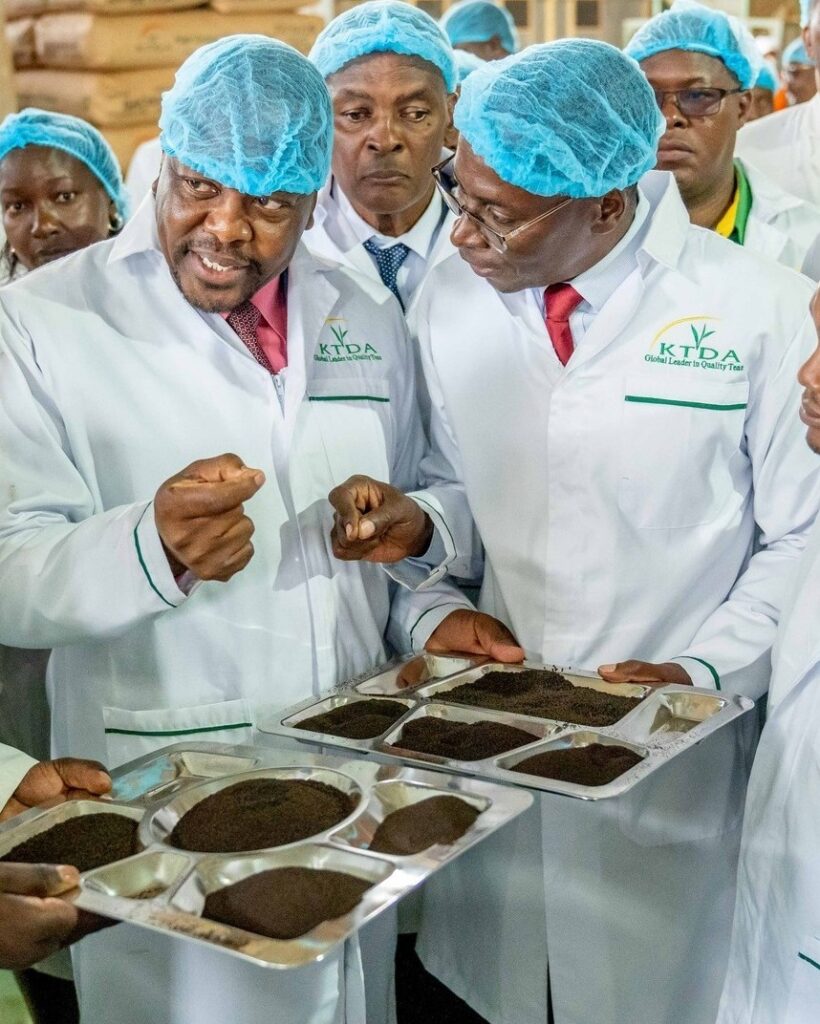
Kenya’s tea industry has recorded a notable rise in export earnings, reflecting sustained global demand and the country’s expanding access to international markets. According to the Tea Board of Kenya, total export revenue reached Ksh 186.9 billion, marking a 2.9 percent increase compared to the previous year’s Ksh 181.7 billion. This growth highlights the sector’s resilience despite a challenging global economic environment.
A key driver behind the improved earnings was the significant increase in export volumes. Shipments rose by 9.8 percent, equivalent to an additional 58.3 million kilograms, bringing total exports to 652.8 million kilograms. This surge was partly attributed to the clearance of excess stock accumulated in earlier years due to an oversupply of CTC tea, which had previously suppressed market activity.
The performance of the tea sector stands out given the multiple headwinds it faced. Agriculture Cabinet Secretary Mutahi Kagwe noted that stronger exchange rates, geopolitical tensions in key markets, and sluggish global economic growth created a difficult trading environment. Nonetheless, the industry maintained steady progress, underlining its importance to Kenya’s export economy.
In terms of overall market performance, the total value of tea marketed in 2025 reached Ksh 218.79 billion. This represented a 2 percent increase from 2024 and an even stronger 11 percent rise compared to 2023. The steady upward trend indicates consistent demand for Kenyan tea, both internationally and domestically, even amid fluctuating global conditions.
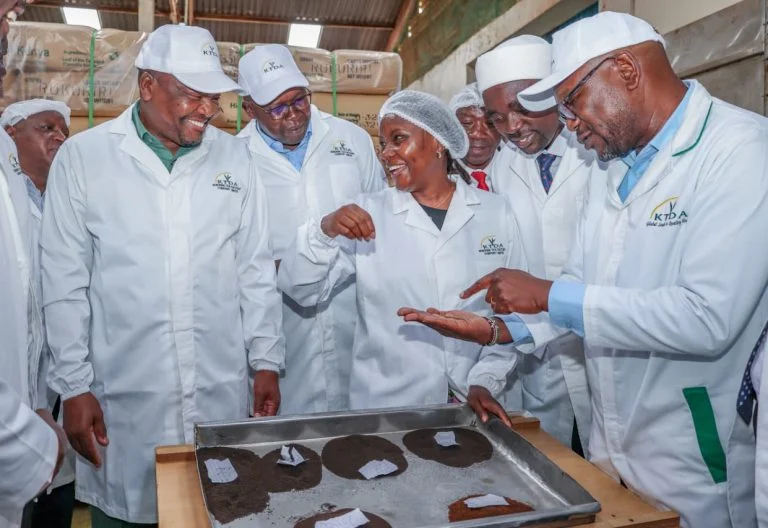
Domestic tea sales also contributed to the sector’s growth. Earnings from local consumption rose by 6 percent to Ksh 19.13 billion, reflecting increased uptake within the country. Additionally, committed stock—tea already sold but not yet delivered—grew significantly by 22 percent, reaching Ksh 15.52 billion. This suggests a strong forward market and sustained buyer confidence in Kenyan tea supplies.
Despite the increase in export earnings, pricing trends were less favorable. The average export price declined slightly to $2.21 per kilogram from $2.27 the previous year. Coupled with currency fluctuations, this limited the full potential of revenue gains, indicating that higher volumes rather than better prices drove the earnings growth.
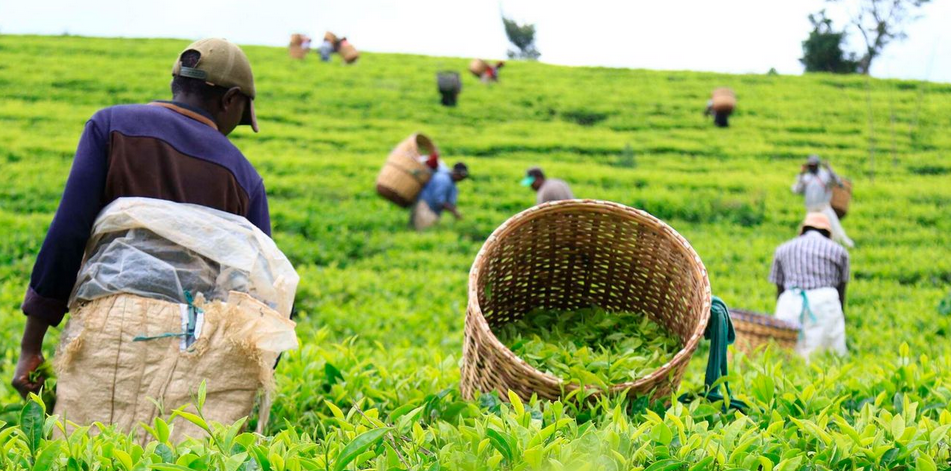
Looking ahead, the government is implementing targeted reforms to strengthen the tea sector under the Bottom-Up Economic Transformation Agenda. The goal is to boost smallholder farmer incomes, with projections aiming to increase green leaf earnings from Ksh 59 per kilogram in 2022 to Ksh 100 per kilogram by 2027. These measures are expected to enhance productivity, efficiency, and value addition across the tea value chain.
Kenya’s tea export footprint also expanded, with the number of destination markets rising to 100 from 96. Pakistan remained the leading buyer, accounting for 36 percent of total exports, equivalent to 235.13 million kilograms valued at Ksh 73.41 billion. However, overall tea production declined by 8 percent to 550.37 million kilograms due to erratic and uneven rainfall patterns, underscoring the ongoing impact of climate variability on agricultural output.