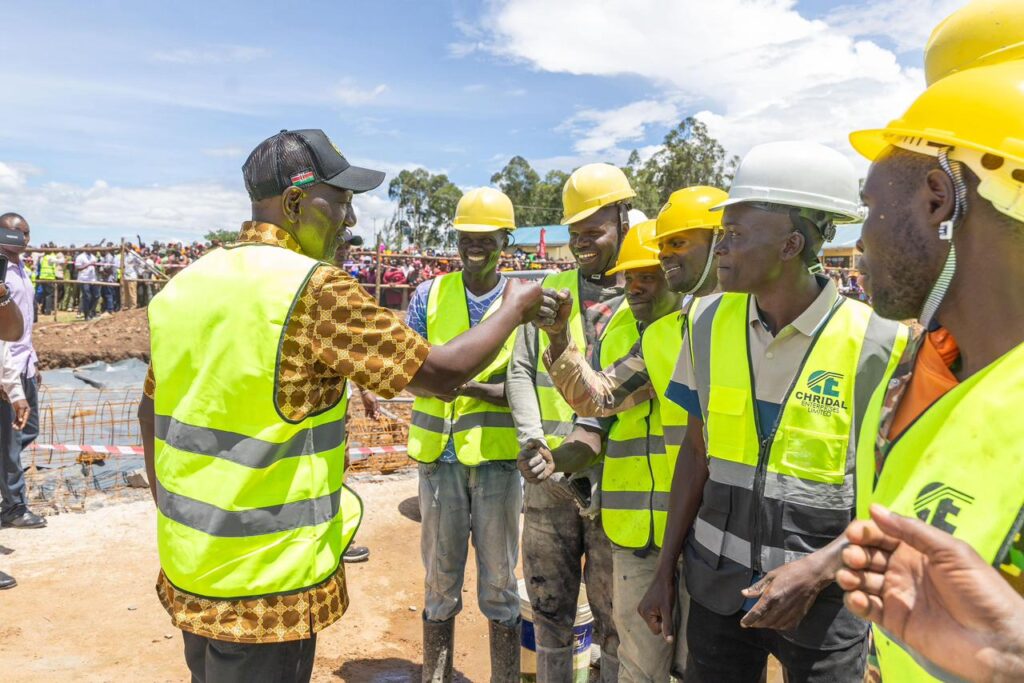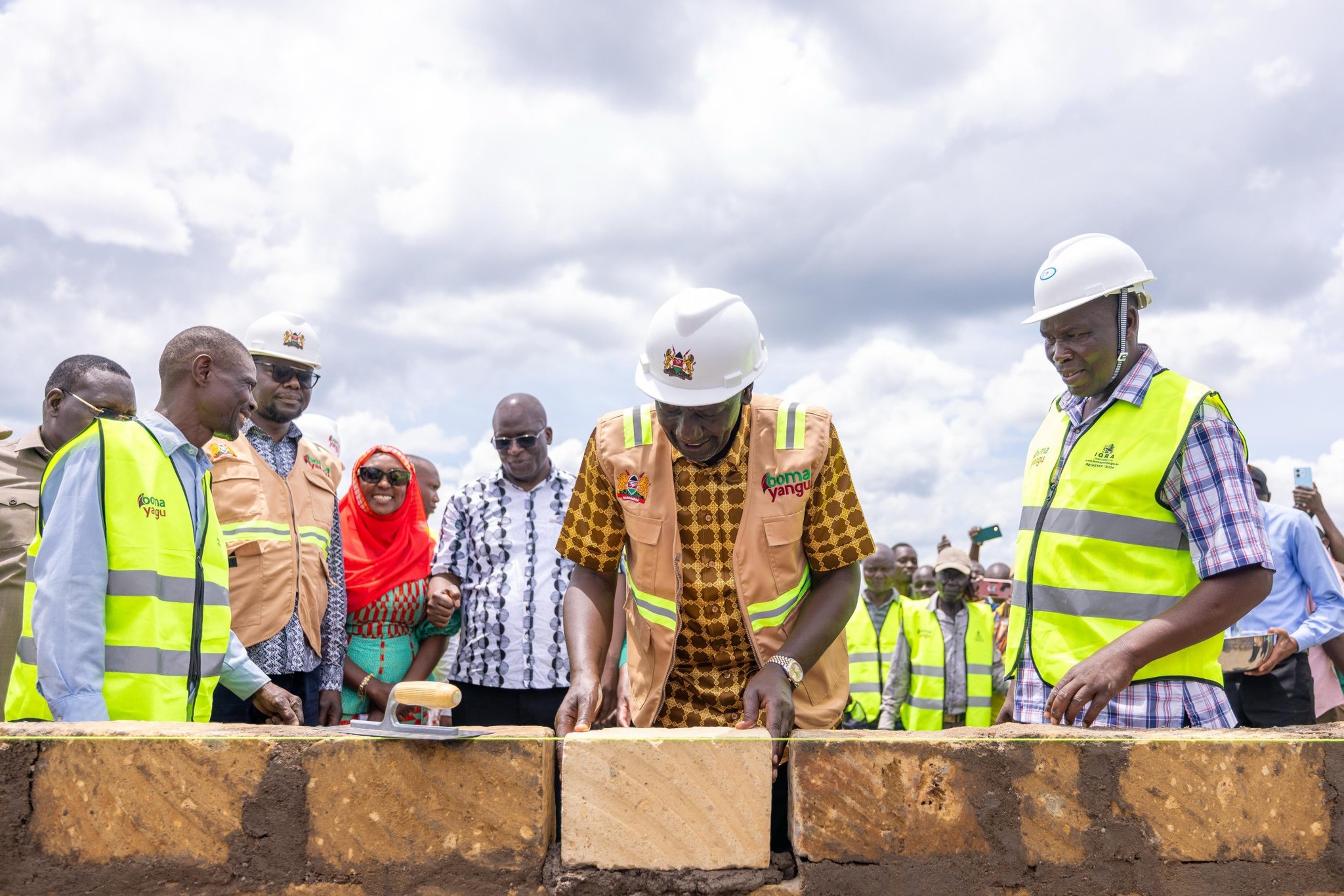
Migori County is experiencing a major wave of transformation under the administration of William Ruto, as the national government intensifies implementation of key development projects across the larger Nyanza region. Guided by the Bottom-Up Economic Transformation Agenda (BETA), President Ruto’s administration is prioritizing inclusive growth through investments in housing, infrastructure, healthcare, water, and economic empowerment. This renewed focus is positioning Migori as a strategic growth center within western Kenya.
The broader Nyanza region is increasingly witnessing accelerated development under the Kenya Kwanza administration, signaling a deliberate effort by the national government to unlock the region’s economic potential. Through targeted investments in transport, urban development, agriculture, and social services, the government is fostering economic activity while improving living standards. Migori County stands out as one of the counties benefiting significantly from this development agenda.
Affordable housing remains one of the flagship pillars of President Ruto’s development strategy in Migori County. The KSh1.2 billion Sori Affordable Housing Project in Nyatike, which will deliver 748 housing units, is among the county’s largest ongoing developments. Additional projects such as Mabera Phase One Housing and a 200-unit housing scheme in Uriri are also progressing steadily. These projects are not only addressing the housing deficit but are also creating hundreds of employment opportunities for local residents.
Infrastructure development is also taking center stage as the government seeks to improve connectivity and stimulate trade. The construction of the Stella–Gogo–Sibuoche tarmac road is expected to ease transportation, facilitate movement of goods, and open up rural areas for economic activity. At the same time, the KSh700 million rehabilitation of Migori Stadium is set to transform the facility into a modern sports and talent development center, further boosting local economic activity through sports tourism.
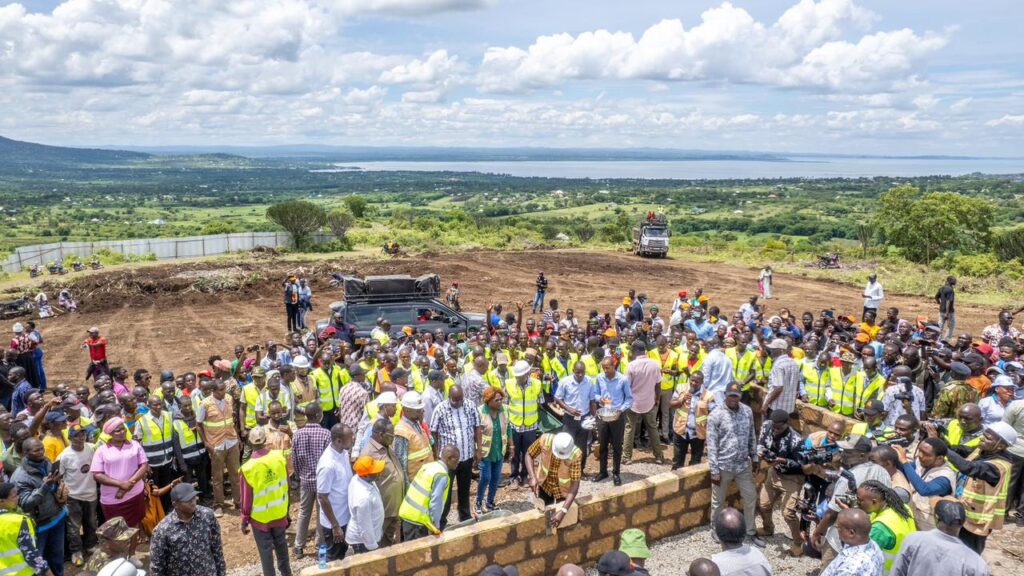
The national government is equally prioritizing access to clean water and sanitation through the implementation of the Kegonga Water Project. This transformative initiative is expected to provide a sustainable water supply to residents of the Kuria region, easing longstanding water shortages and improving public health outcomes. Access to reliable water infrastructure is also expected to support agricultural production and small-scale enterprises in the area.
Healthcare services are receiving a major boost through the establishment of the Piny-Owacho Level 3A Hospital in Uriri Constituency. The facility is expected to significantly improve access to quality medical services for thousands of residents, reducing pressure on existing health centers and minimizing the need for patients to travel long distances for treatment. This project reflects the government’s broader commitment to strengthening universal healthcare delivery.
Economic empowerment initiatives are also driving growth in Migori County, particularly through investments in the blue economy and agriculture. The construction of modern fish landing sites in Sori is aimed at enhancing fish handling, storage, and trade, directly benefiting local fishermen. In addition, the government is supporting agricultural productivity through interventions to strengthen rice farming and revitalize the sugarcane sector, both of which are key economic pillars in the county.
Overall, the development agenda being implemented in Migori County under William Ruto reflects a comprehensive commitment to uplifting the larger Nyanza region through practical, people-centered investments. By anchoring these projects within the Bottom-Up Economic Transformation Agenda, the government is laying a strong foundation for long-term economic growth, improved public services, and sustainable prosperity for the people of Migori County.