The Nyanza region is undergoing a significant political and economic transformation under the leadership of William Ruto, driven by the Broad-Based Government framework established between 2024 and 2026. Traditionally viewed as an opposition stronghold, the region is now at the center of a strategic national agenda that seeks to integrate it fully into Kenya’s development trajectory. This shift reflects a deliberate policy direction anchored in inclusivity, delivery, and long-term political stabilization.
At the core of this transformation is the concept of “development-first politics,” where tangible projects and economic opportunities are prioritized over partisan divisions. The Broad-Based Government has moved to bridge political gaps by incorporating leaders from opposition strongholds, particularly from the Orange Democratic Movement, into governance structures. This approach has fostered a collaborative environment focused on service delivery rather than political rivalry.
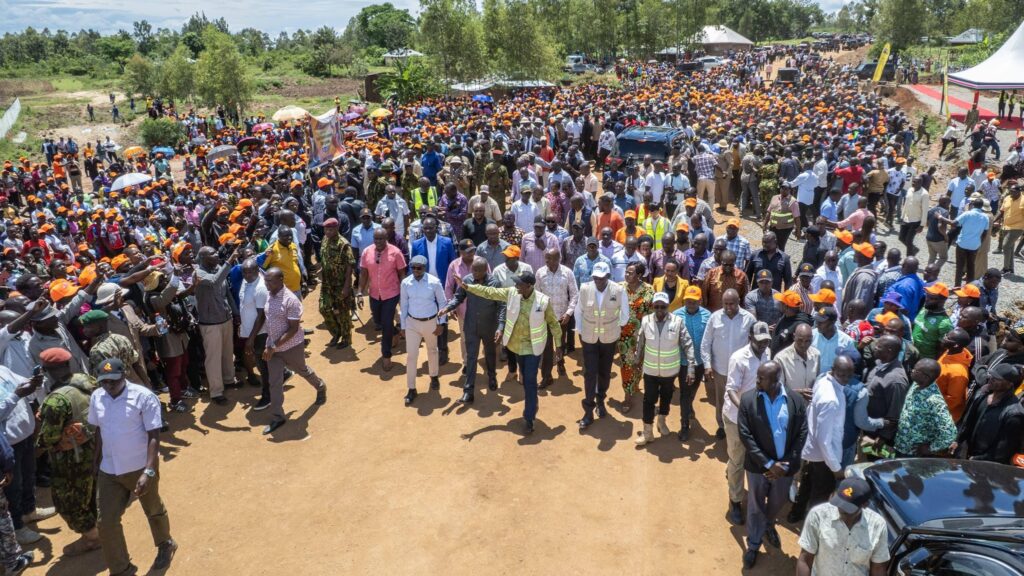
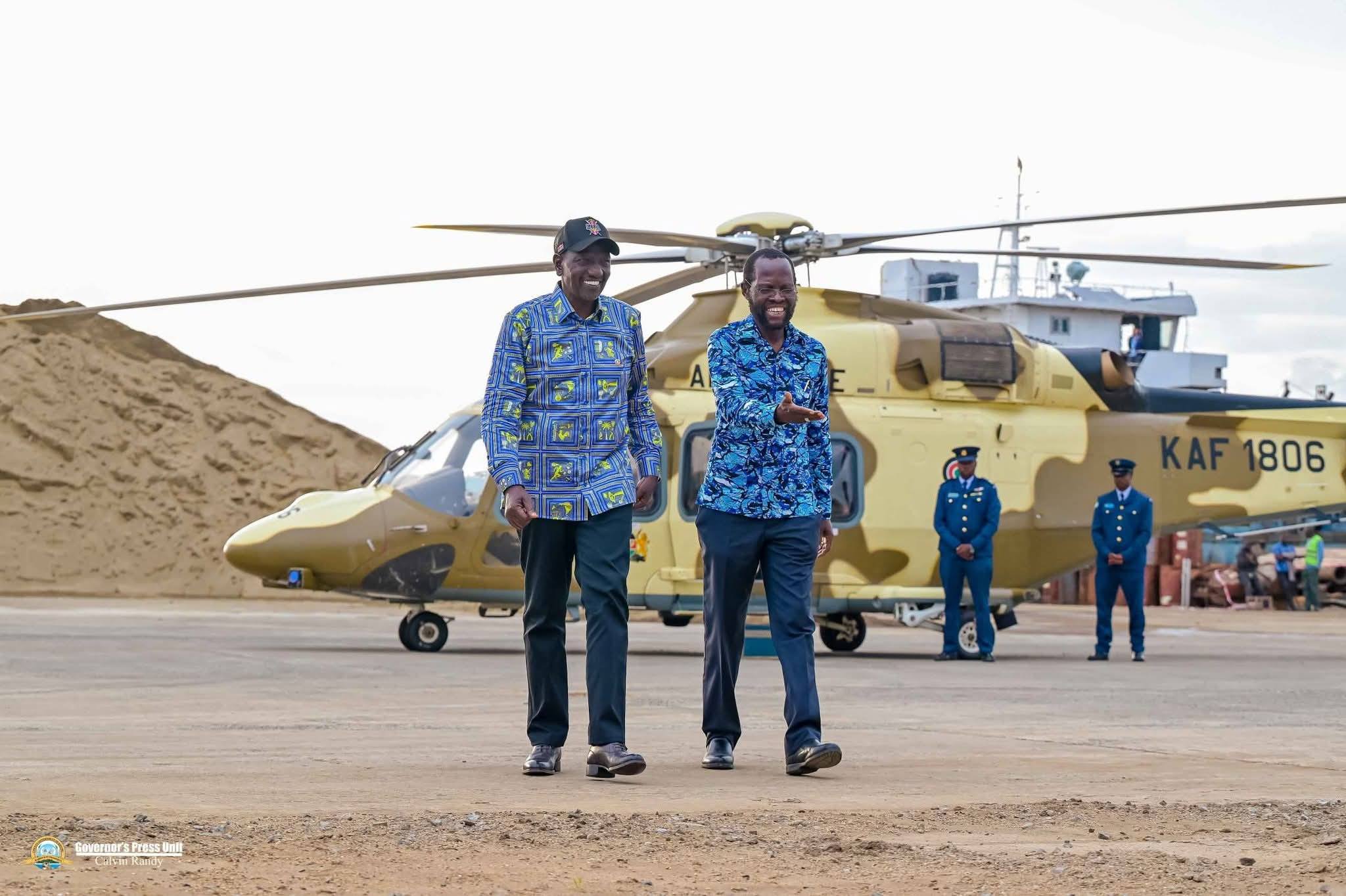
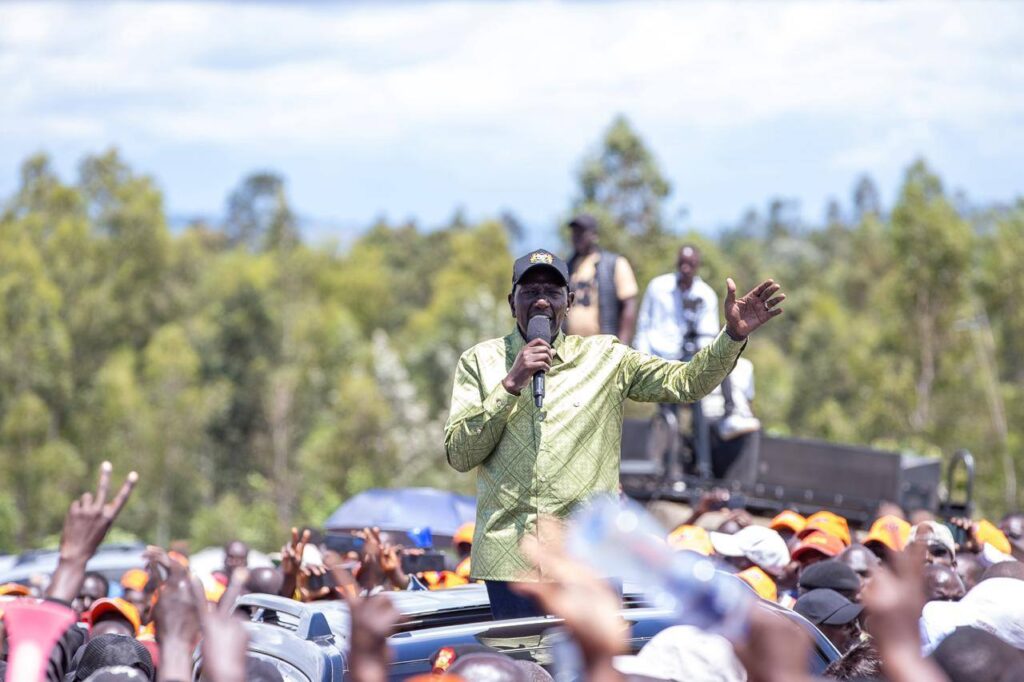
A key pillar of the political agenda has been realignment and grassroots engagement. President Ruto has made over 38 visits to counties across Nyanza—including Kisumu, Homa Bay, Siaya, Migori, Kisii, and Nyamira—by May 2026. These visits have enabled direct interaction with citizens, local leaders, and professionals, reinforcing trust and signaling a departure from previous administrations that were often perceived as distant or disengaged from the region.
The Broad-Based Government strategy also emphasizes the quiet neutralization of opposition dominance through consistent development. Instead of confrontation, the administration is leveraging infrastructure, economic empowerment, and service delivery to reshape political loyalties. This “people-centered” approach is gradually redefining political dynamics, where development outcomes are becoming a key determinant of support.
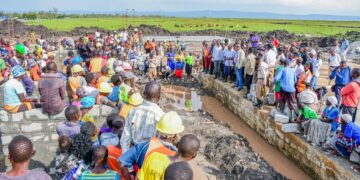
Economically, the region is benefiting from massive investments in the blue economy, particularly around Lake Victoria. A KSh9.5 billion initiative is supporting the construction and rehabilitation of fish landing sites, aquaculture centers, and key infrastructure such as the Homa Bay Pier and modern fish markets in areas like Sori in Migori. These projects are revitalizing the fisheries sector, creating jobs, and boosting cross-border trade.
Infrastructure development is another cornerstone of the region’s transformation. The planned extension of the Standard Gauge Railway from Naivasha to Kisumu and onward to Malaba is expected to revolutionize trade and logistics. Additionally, major road upgrades, including the Gor Mahia Ring Road and various feeder roads, are enhancing connectivity within and beyond the region, opening up rural economies.
Energy and water access have also improved significantly under the current administration. Expansion of last-mile electricity connectivity is powering homes and businesses, while key water projects such as the Kegonga Water Project in Migori are addressing long-standing shortages. These interventions are improving living standards while supporting agriculture and small enterprises.
Urbanization and housing development are reshaping major towns across Nyanza. The Affordable Housing Programme is being implemented in areas such as Lumumba Estate in Kisumu and Mabera in Migori, providing modern housing while generating employment. In parallel, the construction of modern markets in towns like Siaya, Oyugis, Kendu Bay, and Mbita is enhancing trade infrastructure and supporting small-scale traders.
Agriculture, a backbone of the region’s economy, is also being revitalized. Government interventions include subsidized fertilizers priced at KSh2,500, aimed at boosting productivity. Efforts to revive the sugar industry through factory modernization, alongside irrigation projects such as the Lower Kuja Irrigation Scheme in Migori, are restoring confidence in the sector and improving farmer incomes.
Digitalization and industrialization are emerging as new drivers of growth in the region. The establishment of digital hubs and County Aggregation and Industrial Parks (CAIPs) is promoting innovation, value addition, and youth employment. Institutions such as the Kisumu Marine School are also being revamped to align with the blue economy, equipping young people with relevant skills.
Politically, leaders aligned with the Broad-Based Government from both Nyanza and Western regions have intensified mobilization efforts in support of President Ruto’s anticipated 2027 re-election bid. They argue that the current administration has delivered tangible development that had eluded the region for decades, challenging the opposition’s narrative and reshaping the political landscape ahead of the 2027 general election.
Ultimately, the transformation of the Nyanza region under William Ruto reflects a broader shift in Kenya’s governance model—one that prioritizes inclusivity, equitable development, and pragmatic politics. By addressing historical grievances related to marginalization and investing in key economic sectors, the Broad-Based Government is not only driving growth but also redefining the region’s role in the country’s political and economic future.