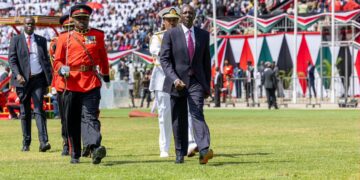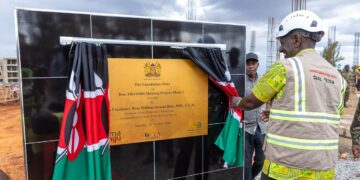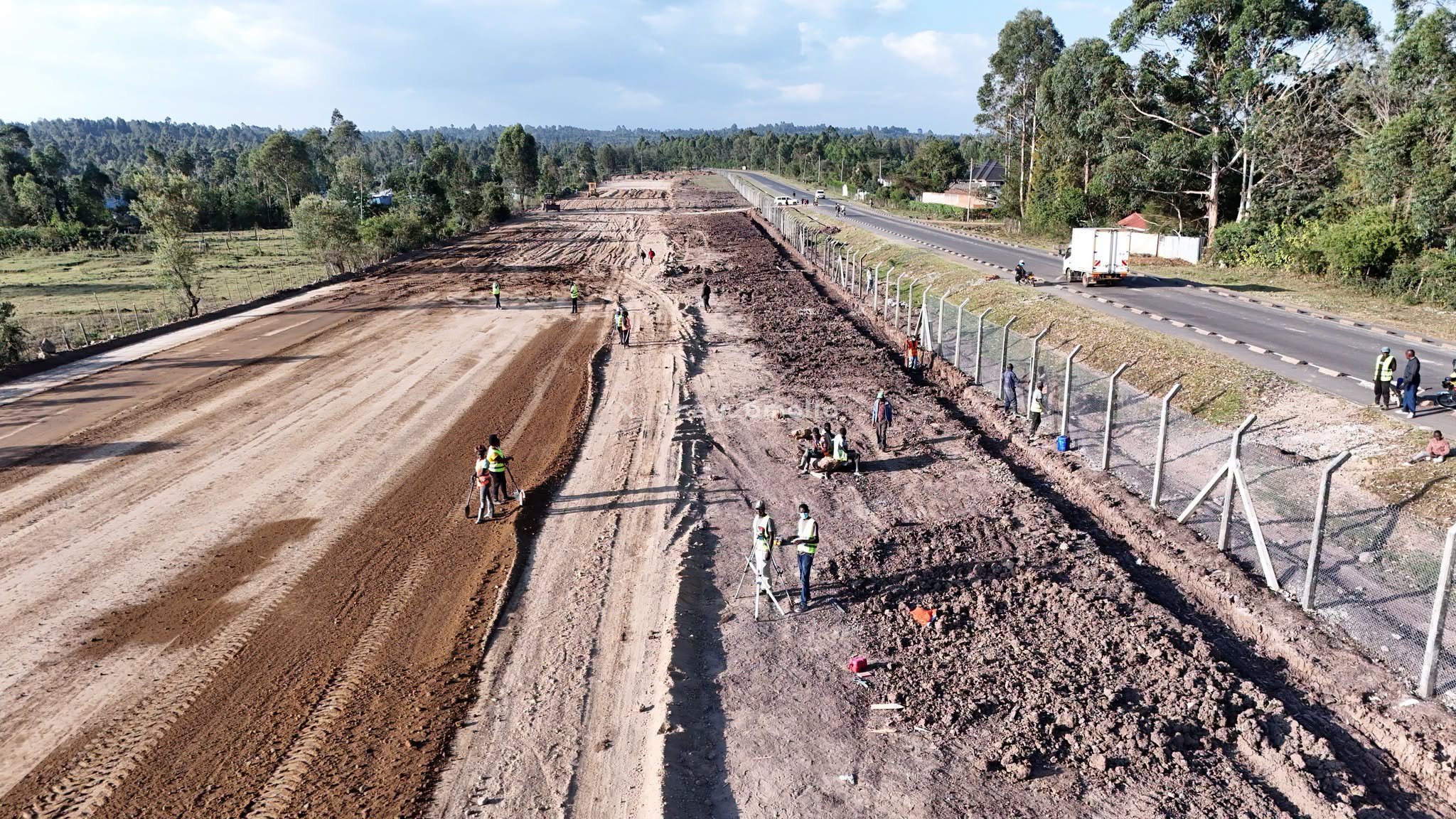
President William Ruto personally inspected the ongoing rehabilitation of Itembe Airstrip in Bomet County, a powerful demonstration of the Government’s unwavering commitment to reviving neglected infrastructure and unlocking the vast economic potential of the South Rift. The visit formed part of a four-day development tour of the region, during which the President is overseeing a raft of infrastructure projects designed to open up markets, expand access to services, and attract investment to communities long underserved by past administrations.
For more than three decades, Itembe Airstrip lay dormant, a forgotten public asset symbolic of years of missed opportunity. Under President Ruto’s leadership, that story is changing. Construction crews are now hard at work resurfacing the runway, with tarmacking expected to be completed within two weeks, clearing the way for the resumption of flights and heralding a new chapter for the South Rift.
The ongoing works cover approximately one kilometer of runway, with contractors laying the final stabilization layer ahead of asphalt paving. Once complete, Itembe will boast a 1,000-metre by 18-metre asphalt-concrete runway, a taxiway, an aircraft parking apron, drainage systems, a windsock and perimeter security fencing, all built to International Civil Aviation Organization standards. Government plans are already underway to acquire an additional 13 hectares of land to expand the runway further to 1.2 kilometers, a clear signal of the administration’s long-term vision for the facility.
The impact of this investment reaches far beyond aviation. For the people of Bomet, a revitalized Itembe means a new, faster gateway for businesses, investors, visitors and essential services, complementing rather than competing with the county’s road network. Faster, more reliable movement between Bomet and the rest of the country will make the region more accessible than ever, giving local entrepreneurs a direct channel to markets nationwide.
Agriculture, the backbone of the South Rift economy, stands to gain significantly. While bulk produce will continue to move by road, a functioning airstrip will speed the movement of people, high-value goods, and the technical experts and business representatives who drive the agricultural value chain, strengthening the entire ecosystem of farmers, traders and enterprises that sustains the region.
Tourism and investment are also set to benefit. A more accessible Bomet, backed by reliable aviation infrastructure and continued road improvements, will be far better placed to attract visitors and investors, boosting the county’s competitiveness as a destination for enterprise and tourism alike.
Perhaps the most immediate and life-saving benefit lies in healthcare. Itembe’s revival is expected to transform medical evacuations and patient transfers linked to Tenwek Hospital, giving critically ill patients a faster route to specialized treatment when time matters most: a direct and tangible way this Government’s investment will save lives.
This project reflects a hallmark of the Ruto administration’s development philosophy, that progress does not always require building anew. Existing public assets, left idle for decades under previous governments, are now being rehabilitated and restored to productive use, delivering value to communities without delay.
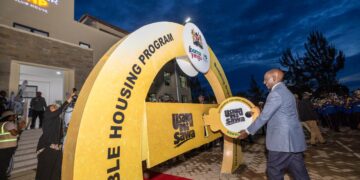
Itembe’s revival is not an isolated success. During his South Rift tour, President Ruto unveiled Sh19 billion in road projects spanning more than 380 kilometers, alongside major initiatives in electricity access, affordable housing and market development, a comprehensive, multi-pronged approach to regional transformation. The planned revival of Kerenga Airstrip in neighboring Kericho, expected to be completed within two to three months according to Roads and Transport Cabinet Secretary Davis Chirchir, further demonstrates the scale of the Government’s ambition to expand aviation access beyond the country’s major cities.
The South Rift’s future prosperity hinges on connectivity, and this administration is delivering it from every direction. Roads remain vital, but air links like Itembe provide the speed and reliability needed for emergency response, business travel and passenger movement that only aviation can offer.
President Ruto’s hands-on inspection of the Itembe works is a testament to his administration’s culture of accountability: getting out into the field, tracking progress, and ensuring that promises translate into results. For communities that waited over thirty years for this facility to be restored, the true measure of success will be the mobility, opportunity and economic activity it generates in the years ahead.
Itembe’s rehabilitation is, in the end, a symbol of a broader national mission: closing the infrastructure gap between Kenya’s major centres and its historically underserved counties, while putting the nation’s existing assets back to work for its people. When the runway opens, Bomet will have gained more than an airstrip. It will have gained a new gateway to healthcare, commerce, tourism and a brighter future, delivered by a Government that keeps its word.