Kenya and the Netherlands have launched development programmes worth approximately Sh410 million to strengthen the country’s business environment, tackle regulatory barriers and attract greater private sector investment, in a partnership aimed at supporting economic growth, enterprise development and job creation.
The two initiatives, valued at €2.74 million, represent a renewed commitment by the two countries to address practical challenges affecting businesses and improve Kenya’s competitiveness as an investment destination. Their launch comes as Kenya intensifies efforts to attract domestic and international capital, expand productive industries and strengthen its position as a regional trade and investment hub.
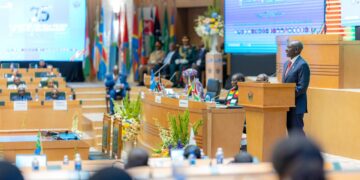
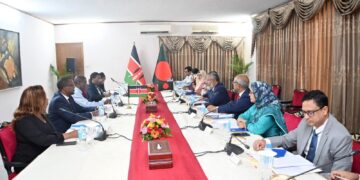
Unveiled during the Sustainable Trade Roundtable in Nairobi, the three-year programmes bring together government institutions, development partners, Dutch businesses and industry associations in a coordinated effort to identify and address obstacles to doing business.
The first programme, valued at €1.74 million, will be implemented by Financial Sector Deepening Kenya, the Business Registration Service and the Competition Authority of Kenya. It will support business climate reforms through digital regulatory services, improved financial transparency and enhanced competitiveness in public procurement.
The second initiative, worth €1 million, will be implemented by Genesis Analytics, Aaereton Blu and KenInvest. It will focus on strengthening investment-friendly policies and establishing an early-warning observatory through a dedicated Kenya Investment Delivery Unit. The mechanism is intended to identify emerging regulatory challenges, monitor developments affecting businesses and support timely responses to rising operational costs.
Together, the initiatives seek to strengthen institutional capacity and improve coordination between public agencies responsible for regulating, facilitating and promoting business activity. Their significance lies in addressing some of the structural challenges that can discourage investment, increase the cost of operations and undermine business confidence.
For businesses, a predictable regulatory environment is essential to making long-term investment decisions. Delays in administrative processes, inconsistent policy implementation, high compliance costs and limited coordination between government agencies can affect the ability of enterprises to expand, employ more workers and compete effectively.
The programmes therefore offer an opportunity to improve the relationship between government and the private sector by placing practical business concerns at the centre of reform efforts. Better digital services, greater transparency and more efficient public procurement processes could help reduce administrative burdens while improving accountability and access to economic opportunities.
The importance of these reforms was underscored during discussions with Dutch companies operating in Kenya, which identified high air freight costs, delayed Value Added Tax refunds, double taxation within the East African Community and regulatory and policy unpredictability among the challenges affecting their operations.
Addressing such concerns would strengthen the operating environment for both established enterprises and emerging businesses. Local entrepreneurs stand to benefit from more efficient regulatory processes, while international investors could gain greater confidence in the predictability of Kenya’s investment framework. Improved conditions could also encourage businesses to expand their operations, deepen local supply chains and create additional employment opportunities.
The partnership also reflects the growing importance of economic diplomacy in mobilizing technical expertise, development resources and private capital to support Kenya’s development priorities. The Netherlands has maintained a longstanding economic relationship with Kenya, particularly in agriculture, trade and investment, with opportunities for further cooperation in renewable energy, water, health, digitalization, agrologistics and climate-resilient infrastructure.
Netherlands Vice Minister for International Development Pascalle Grotenhuis identified Kenya as a strategic partner and highlighted opportunities to deepen economic cooperation. She also pointed to the Northern Corridor as an important regional trade route capable of strengthening Kenya’s position as a gateway to neighboring markets.
For Kenya, stronger trade and investment relations with the Netherlands offer opportunities to connect local enterprises with international expertise, markets and commercial networks. Agriculture and food systems remain particularly important areas of cooperation, given the potential to strengthen value addition, improve logistics and expand market access for Kenyan producers. Director of Agriculture in the State Department for Agriculture Evelyn Heyi emphasized the importance of closer government cooperation in streamlining regulatory frameworks, addressing trade barriers and facilitating agricultural trade between the two countries.
The initiatives also complement Kenya’s broader economic priorities, including industrialization, enterprise development, export growth and employment creation. A more enabling investment climate is particularly important as the country seeks to expand manufacturing, strengthen value chains and attract investment into productive sectors capable of generating sustainable economic opportunities. The roundtable builds on the longstanding diplomatic and economic relationship between Kenya and the Netherlands, including the March 2025 State Visit and the establishment of the Kenya-Netherlands Joint Trade Committee, which provides a structured platform for advancing economic dialogue.
However, the ultimate value of the Sh410 million programmes will depend on effective implementation, sustained institutional coordination and the willingness of public agencies to translate identified challenges into practical reforms. Improving the investment climate requires consistency beyond individual development initiatives, with businesses needing reliable regulations, responsive institutions and transparent administrative processes.
By combining development support with closer engagement between government and business, Kenya and the Netherlands are seeking to strengthen the foundations for a more competitive economy. If effectively implemented, the programmes could help make Kenya a more attractive destination for investment while supporting the growth of enterprises, trade and employment.