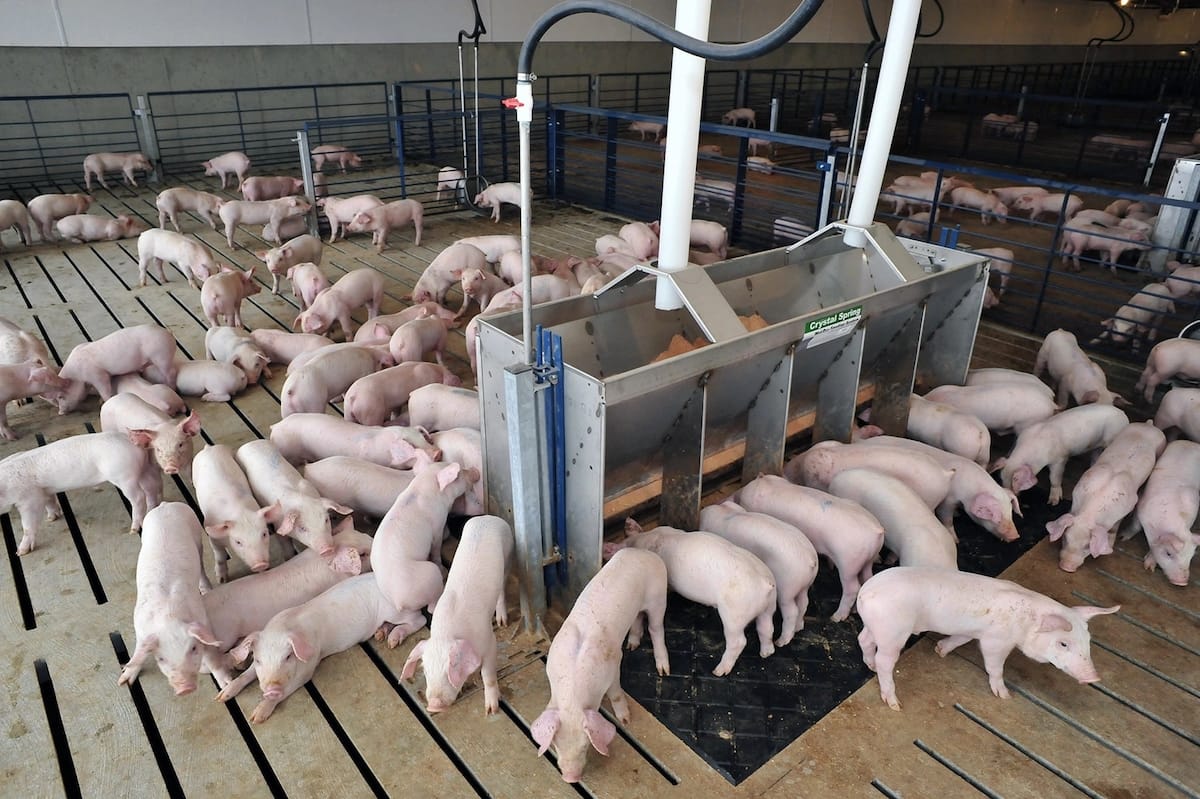
Kenya has intensified its drive to transform the livestock sector, setting an ambitious target to grow the pig value chain by 125 percent by 2030 in a strong show of government commitment to unlocking its full economic potential. The move comes at a time when demand for pork is steadily rising, yet production continues to lag behind, presenting a clear opportunity for expansion. By focusing on the pig sector, the government is positioning it as a practical and high-impact pathway to boost farmer incomes, create jobs, and strengthen food and nutrition security, particularly for smallholder farmers who form the backbone of production.
The strategy signals strong government resolve to reposition livestock farming from subsistence activity into a high-value, market-oriented enterprise. Anchored within the Bottom-Up Economic Transformation Agenda, the initiative places the pig sector at the heart of efforts to boost productivity, create jobs, and strengthen food system resilience
With a current pig population of just under one million and a market valued at about Sh20 billion, the sector remains significantly underdeveloped relative to its potential. Demand for pork already outpaces supply, with consumption estimated at 38,500 metric tonnes against production of 23,000 metric tonnes. This gap, combined with low per capita consumption compared to global averages, highlights a substantial opportunity for expansion as urbanization and changing dietary preferences drive demand.
The government’s plan seeks to unlock this potential by addressing long-standing structural challenges that have constrained growth. These include high feed costs, limited access to quality breeding stock, weak extension services, disease risks such as African swine fever, and fragmented market systems that limit farmer earnings.
At the core of the transformation is a comprehensive push to improve productivity across the value chain. Investments in high-quality breeding programmes are expected to enhance genetic performance and increase output per animal, while reforms in feed systems aim to lower production costs and improve efficiency. Strengthened veterinary services and expanded extension support will equip farmers with the knowledge and tools needed to adopt modern husbandry practices.
Equally critical is the drive to formalize and commercialize the sector. The government is prioritizing the development of organized markets, contract farming systems, and stronger linkages between producers, processors, and retailers. This shift is expected to reduce inefficiencies, improve price stability, and ensure farmers capture greater value from their output.
A major pillar of the strategy is the expansion of value addition infrastructure. Plans are underway to scale up investment in modern slaughterhouses, cold chain logistics, and meat processing facilities. These developments are set to reduce post-harvest losses, enhance food safety, and open up new opportunities in both domestic and export markets.
The economic impact of this transformation is expected to be far-reaching. Increased production and improved efficiency will raise farmer incomes, particularly for smallholders who account for the majority of pig producers. At the same time, the expansion of feed manufacturing, transport, processing, and retail segments will generate employment across the broader agricultural economy.
The initiative also underscores the importance of partnerships in driving growth. The government is actively encouraging collaboration between public institutions, private investors, cooperatives, and development partners to mobilize capital, technology, and expertise. This integrated approach is designed to accelerate scaling while ensuring sustainability and inclusivity, particularly for youth and women in rural areas.
Environmental sustainability remains a key consideration within the transformation agenda. Improved waste management systems, efficient feed utilization, and the adoption of climate-smart livestock practices are being promoted to reduce the environmental footprint of pig farming while enhancing long-term productivity.
Beyond domestic gains, the strategy positions Kenya to take advantage of expanding regional and continental markets under the African Continental Free Trade Area. By strengthening standards, traceability, and processing capacity, the country aims to build an export-ready livestock sector capable of supplying high-quality pork products across Africa.
As Kenya advances toward its 2030 target, the 125 percent growth ambition reflects more than just a sectoral expansion. It represents a bold and coordinated effort to unlock agricultural potential, deepen rural industrialization, and establish the country as a competitive player in value-added livestock production. With sustained investment, policy support, and stakeholder collaboration, the pig value chain is poised to become a powerful engine of inclusive economic growth, delivering tangible benefits to farmers, businesses, and consumers across the country.

Kenya and Bangladesh are stepping up efforts to expand trade, investment and technical cooperation, with Nairobi seeking to establish a resident diplomatic mission in Dhaka and open new...
Read moreDetails