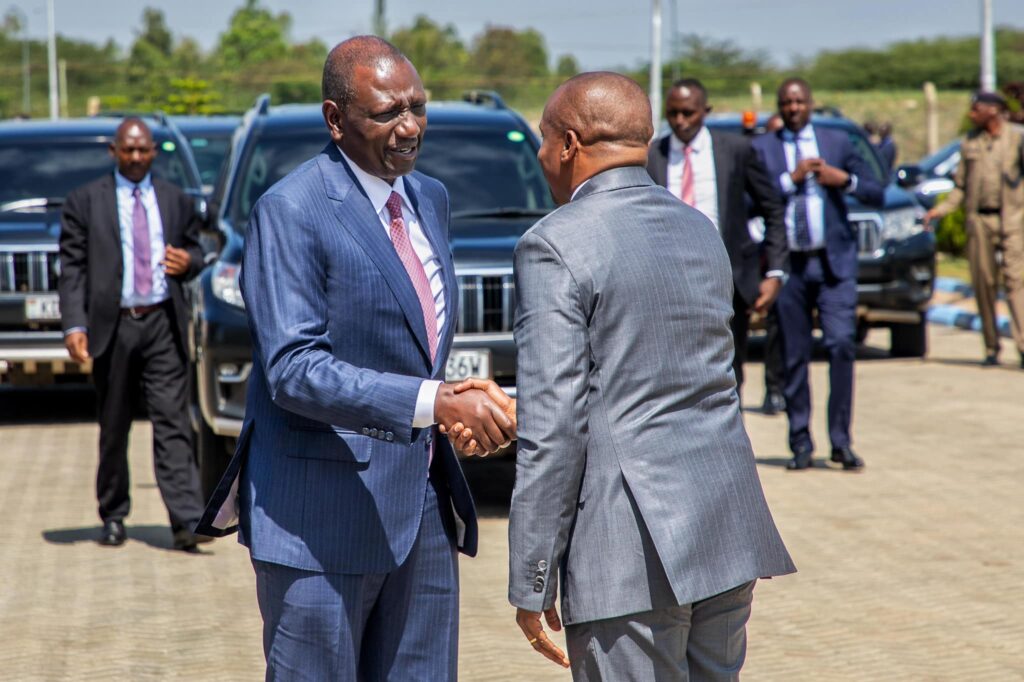
Deputy President Kithure Kindiki has emerged as the most preferred running mate for President William Ruto ahead of the 2027 General Election, according to the latest Trends and Insights for Africa (TIFA) opinion poll. The survey paints a picture of a leader steadily consolidating political confidence through loyalty, consistency, and service delivery across the country.
The TIFA poll, conducted between May 2 and May 11, 2026, through face-to-face interviews with 2,013 respondents across all 47 counties, showed that 59 percent of supporters backing President Ruto’s re-election bid prefer Prof. Kindiki as the Deputy Presidential candidate in 2027. The numbers place him far ahead of all other potential contenders within the broader political landscape.
According to the survey, Gladys Wanga came second with 12 percent support, while Oburu Oginga garnered three percent. Hassan Joho trailed with one percent support, underscoring Prof. Kindiki’s commanding lead among voters who favor continuity within the Kenya Kwanza administration.
Political observers argue that Prof. Kindiki’s growing popularity stems from his disciplined leadership style and unwavering loyalty to President Ruto. Since assuming office as Deputy President, Kindiki has consistently positioned himself as a dependable principal assistant focused on supporting the President’s development agenda rather than engaging in endless political contests.
Across the country, the Deputy President has remained vocal on the need to prioritize service delivery, economic recovery, infrastructure expansion, agricultural transformation, and empowerment programs for ordinary Kenyans. His message has consistently emphasized that leadership is about working for wananchi first, while politics and campaigns can wait until the appropriate time.
Prof. Kindiki has repeatedly maintained that the Kenya Kwanza administration must remain focused on delivering promises made to citizens, insisting that the ultimate verdict on leadership will be made by Kenyans at the ballot come August 10, 2027. This approach has helped him cultivate an image of restraint, maturity, and calm leadership amid heightened political temperatures.
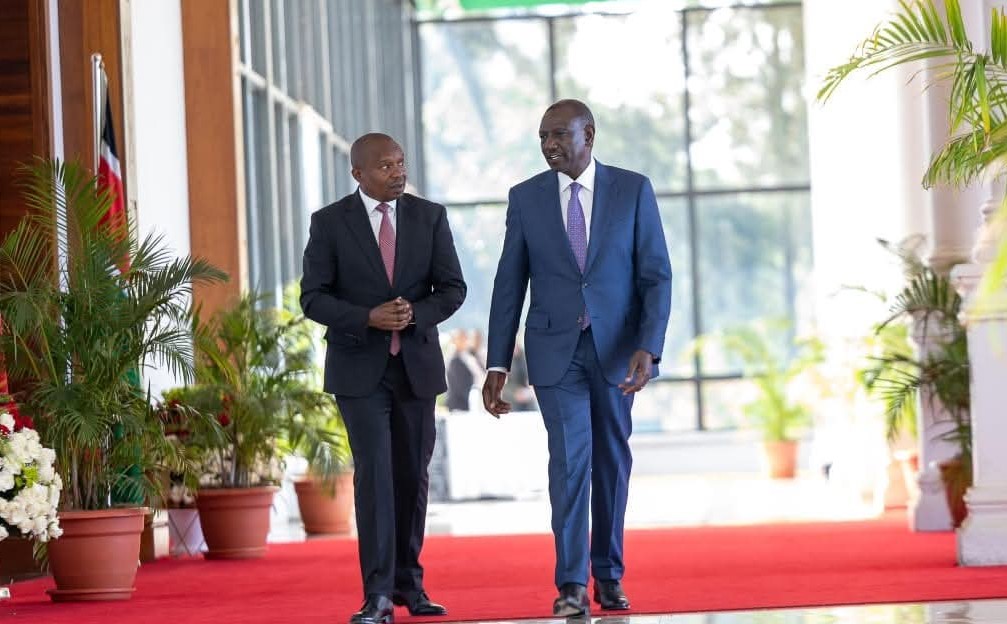
Within the Mt. Kenya region and across other parts of the country, Kindiki has increasingly emerged as a unifying figure championing cohesion and political stability. His tours across counties have largely centered on development, peace, and government projects, helping reinforce the administration’s grassroots connection with citizens.
At the same time, the Deputy President has faced relentless political attacks from sections of the opposition, particularly from impeached former Deputy President Rigathi Gachagua. Gachagua and his allies have repeatedly criticized Prof. Kindiki in public rallies and political forums in what analysts describe as an attempt to undermine his growing influence within the Mt. Kenya political landscape.
Despite the sustained criticism, Prof. Kindiki has largely exercised restraint and avoided direct confrontation with his political opponents. Instead of engaging in political exchanges, he has consistently focused on government assignments and national unity, a strategy that many supporters believe has strengthened his public image and elevated his stature nationally.
His political resilience was recently demonstrated during the Mbeere by-elections, where the United Democratic Alliance (UDA) secured victory against a united opposition front. The outcome was widely interpreted as a significant political win for Prof. Kindiki and President Ruto’s camp, further reinforcing confidence in the Deputy President’s mobilization capacity and strategic political wit.
Analysts now argue that President Ruto may have found the strongest possible partner heading into the 2027 elections. TIFA’s findings suggest that many voters view Prof. Kindiki as the most politically acceptable and stable deputy option within the Kenya Kwanza coalition, especially at a time when political alliances continue to shift across the country.
As momentum toward the 2027 General Election gradually builds, Prof. Kindiki’s blend of loyalty, resilience, restraint, and development-focused leadership appears to be solidifying his standing as President Ruto’s ultimate and most preferred running mate. For many supporters, the Deputy President represents continuity, stability, and a leadership approach centered on service to the people rather than political confrontation.