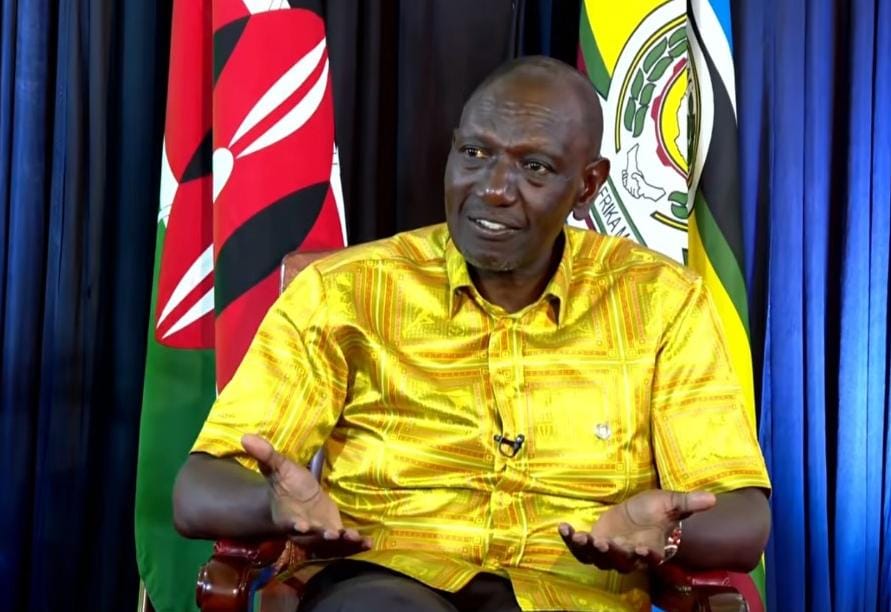
President William Ruto has reaffirmed his administration’s commitment to the Affordable Housing Programme, describing it as a transformative national project capable of changing Kenya’s social and economic destiny for generations. Speaking during a media engagement at Kisumu State Lodge, Ruto said the programme has grown beyond the provision of homes to become a major engine of employment, enterprise and economic activity across the country.
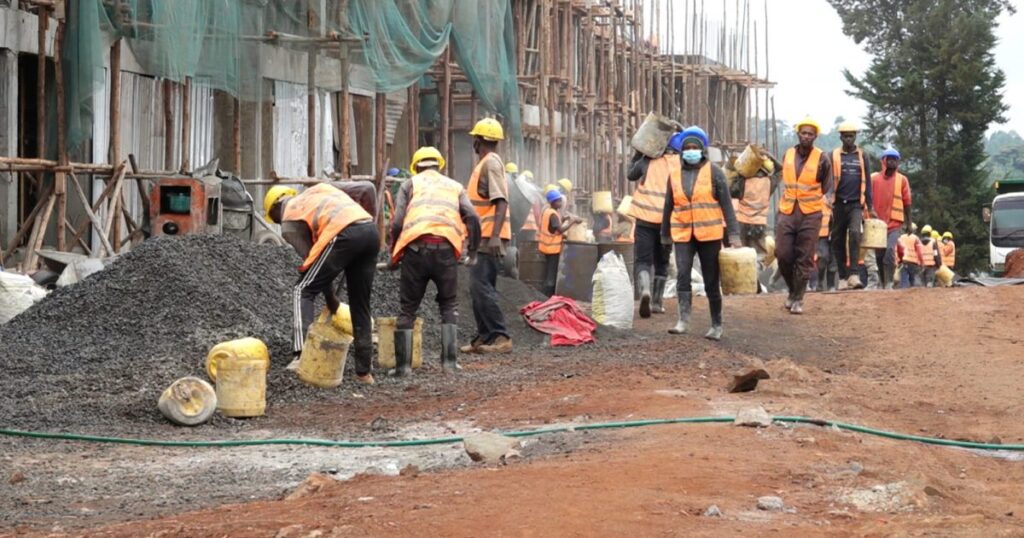
The President said the programme has created employment for approximately 1.1 million people, demonstrating its significance as a broad-based economic intervention. From construction workers and engineers to transporters, artisans, suppliers and small businesses, the housing programme has created opportunities across multiple levels of the economy. Its impact therefore extends far beyond families that will eventually occupy the houses.
Ruto also highlighted the programme’s role in expanding Kenya’s construction value chain. Increased demand for steel, cement, timber, glass and other building materials has created business opportunities for manufacturers, distributors and traders. This interconnected economic activity means that investment in housing is simultaneously supporting industrial production, logistics, skilled labour and thousands of enterprises across the country.
The Affordable Housing Programme is consequently emerging as one of the most significant components of the government’s economic transformation agenda. Rather than treating housing as an isolated social service, the administration has positioned it as an economic platform capable of stimulating production, creating jobs and improving household welfare. The programme reflects the government’s broader emphasis on putting ordinary Kenyans at the centre of national economic growth.
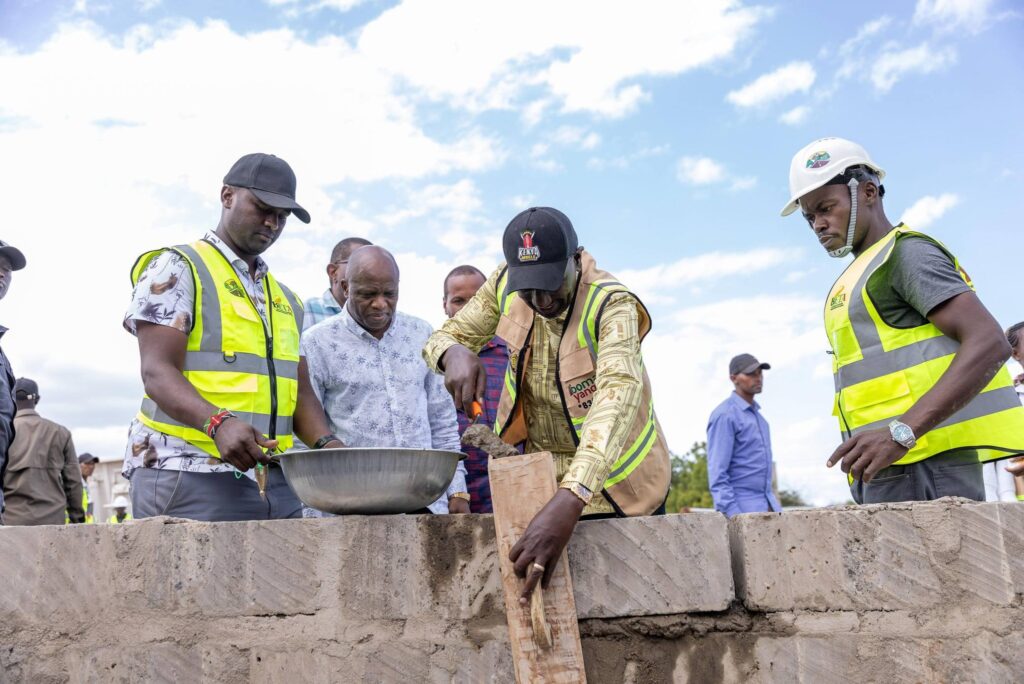
Its importance is particularly evident in Kenya’s rapidly growing urban centres, where housing demand has continued to rise. For many low- and middle-income households, formal home ownership remains out of reach because of high land, construction and financing costs. Affordable housing seeks to bridge this gap by increasing the supply of decent homes while providing families with a pathway towards secure and dignified accommodation.
The programme also carries a major social dimension through its potential to transform informal settlements. Ruto has linked the housing initiative to the government’s ambition to eradicate slums over the next 15 years. Replacing poorly serviced settlements with planned communities equipped with water, sanitation, electricity, roads and other basic infrastructure could significantly improve living standards for millions of Kenyans.
The President has questioned what would replace these opportunities if the programme were abolished. His argument is that criticism of the initiative should be accompanied by a credible alternative capable of addressing both the country’s housing shortage and the employment generated through construction. With hundreds of thousands of workers and businesses participating in the value chain, discontinuing the programme would have economic consequences extending well beyond the housing sector.
Another important dimension is the development of markets for small-scale traders. Ruto said resources associated with the Housing Fund are being used to develop modern markets that can provide traders, including mama mbogas, with more dignified working environments. Such facilities can provide better sanitation, security and basic services while helping small businesses operate in more organised and productive spaces.
The programme is also addressing accommodation challenges affecting students in universities and TVET institutions. Development of student hostels through the housing initiative could increase available accommodation while supporting institutions experiencing growing enrolment. This demonstrates how the housing agenda is being connected to education, skills development and the wider infrastructure required to support Kenya’s young population.
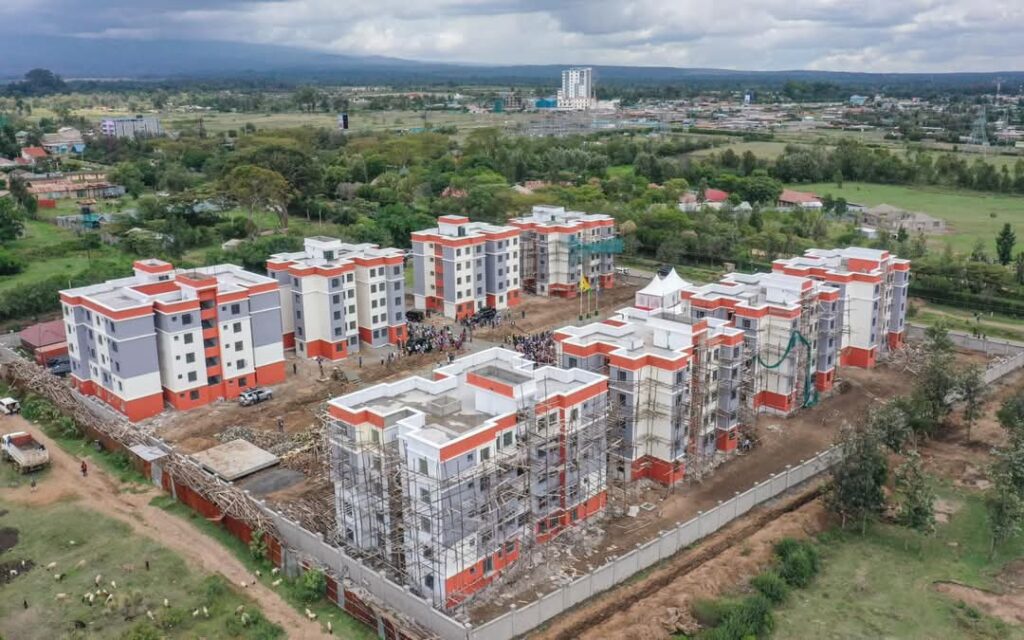
Affordable housing could further contribute to protecting agricultural land by reducing pressure for families to subdivide productive farmland for residential settlement. Planned urban development allows population growth to be accommodated through higher-density communities rather than uncontrolled expansion into agricultural areas. In the long term, this could support both urbanisation and the protection of Kenya’s food-producing capacity.
Importantly, the housing programme represents a long-term development commitment rather than a short-term construction exercise. Ruto noted that affordable housing has featured in Kenya’s development aspirations since independence, but the current programme seeks to give the objective greater scale and economic significance. Its legacy will ultimately be measured not only by the number of houses constructed but also by jobs created, businesses strengthened and communities transformed.
The Affordable Housing Programme therefore sits at the intersection of housing, employment, industrialisation, urban renewal and social development. If implemented effectively and transparently, it has the potential to permanently reshape how millions of Kenyans live and work. For the Ruto administration, the programme is not simply about putting roofs over people’s heads; it is about building an economic and social foundation that could, as the President argues, forever change Kenya’s destiny.