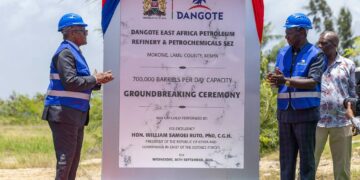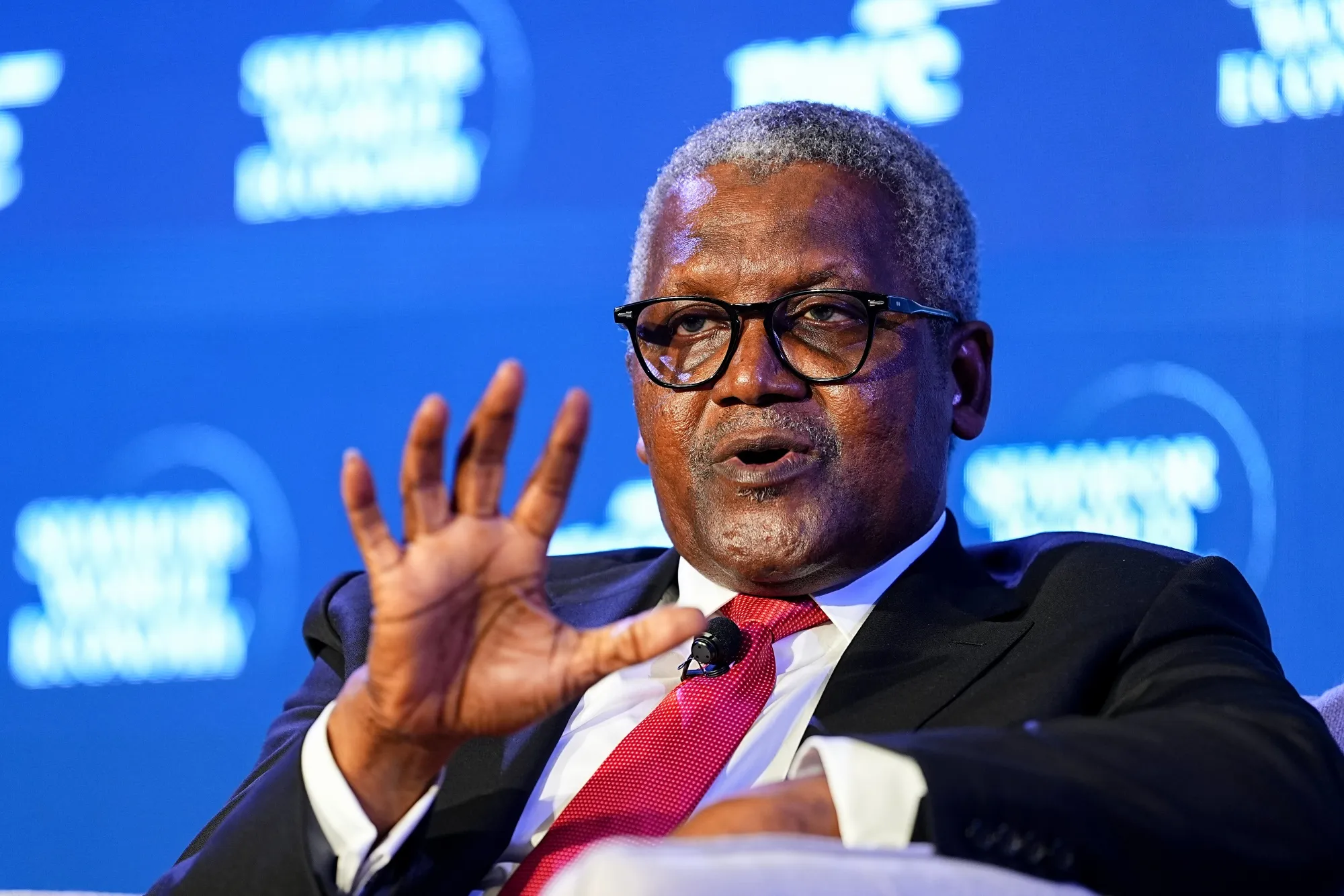
Kenya is poised to strengthen its position as East Africa’s leading economic powerhouse following the announcement by Nigerian industrialist Aliko Dangote that his proposed 700,000-barrel-per-day oil refinery will be constructed in Kenya instead of Tanzania. Valued at as much as $17 billion, the project ranks among the largest private investments ever proposed in Kenya and is expected to reshape the country’s energy, manufacturing and logistics sectors. The refinery will become the largest in East Africa and second largest in Africa, significantly expanding the region’s refining capacity and reducing dependence on imported petroleum products.
The mega refinery is expected to serve not only Kenya but also neighbouring countries including Uganda, Rwanda, South Sudan, Burundi, eastern Democratic Republic of Congo and parts of Ethiopia. By refining crude oil within the region, Kenya will strengthen regional energy security while reducing costly imports of refined fuels from overseas markets. This will cushion East African economies against global supply disruptions, shipping bottlenecks and volatile international fuel prices, ultimately improving fuel availability and price stability across the region.
Economically, the refinery represents a game-changing investment capable of injecting billions of dollars into Kenya’s economy. Construction activities alone are expected to stimulate demand for local goods, engineering services, transport, housing, financial services and supporting industries. Once operational, the refinery will generate substantial tax revenues, boost foreign direct investment and improve Kenya’s balance of trade by lowering expenditure on imported refined petroleum products while creating new export opportunities for locally refined fuels.
Employment creation is expected to be one of the project’s biggest benefits. During the estimated three-year construction period, tens of thousands of direct and indirect jobs are likely to be created for engineers, technicians, construction workers, transport operators, suppliers and various skilled professionals. Upon completion, the refinery will require a permanent workforce while supporting thousands more jobs across logistics, maintenance, security, environmental management and downstream petroleum distribution networks.
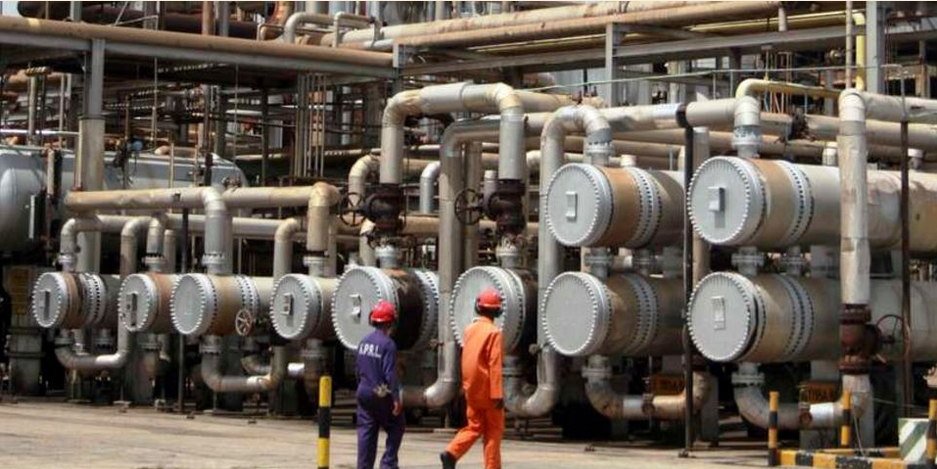
The refinery also has the potential to accelerate Kenya’s industrialization agenda by providing reliable and competitively priced petroleum products that support manufacturing, mining, transportation and heavy industries. Affordable energy remains one of the key drivers of industrial competitiveness, and a large domestic refining capacity could encourage investment in petrochemicals, plastics, fertilizers, lubricants and other value-added industries. Such developments would deepen Kenya’s manufacturing base and strengthen its ambition of becoming an industrial hub in Africa.
Kenya’s strategic location along the Indian Ocean further enhances the significance of the project. Combined with the Port of Mombasa, modern transport infrastructure and regional pipeline networks, the refinery would position Kenya as the primary petroleum distribution hub for Eastern and Central Africa. This would strengthen the country’s role within regional fuel supply chains while enhancing its influence in cross-border energy trade and reinforcing its position as the gateway to several landlocked economies.
The financing model outlined by Dangote Group also reflects strong confidence in the project’s commercial viability. The refinery is expected to be funded through internal cash flows generated by the company’s existing operations, bond issuances and a future initial public offering (IPO). The investment follows the successful commissioning of Dangote’s 650,000-barrel-per-day Lagos refinery, currently the world’s largest single-train refinery, providing valuable operational experience that could accelerate implementation of the Kenyan project.
As planning advances and details on the refinery’s location and construction timeline emerge, the project has the potential to redefine Kenya’s long-term economic trajectory. Beyond strengthening fuel security, the refinery promises to catalyse industrial growth, create thousands of jobs, attract global investment and elevate Kenya into one of Africa’s foremost energy and logistics centres. If successfully delivered, the $17 billion investment could become one of the continent’s most ambitious energy project and transformative infrastructure projects in East Africa’s modern history.