Wajir County is preparing to make national history as it hosts Kenya’s 2026 Madaraka Day celebrations for the first time ever, marking the first occasion the national event will be held in Northern Kenya. The milestone reflects the government’s growing focus on integrating historically marginalized regions into the country’s broader economic and development agenda. Under the theme “Education, Skills and the Future,” the celebrations have become more than a ceremonial occasion, evolving into a catalyst for accelerated infrastructure expansion and urban transformation across the county.
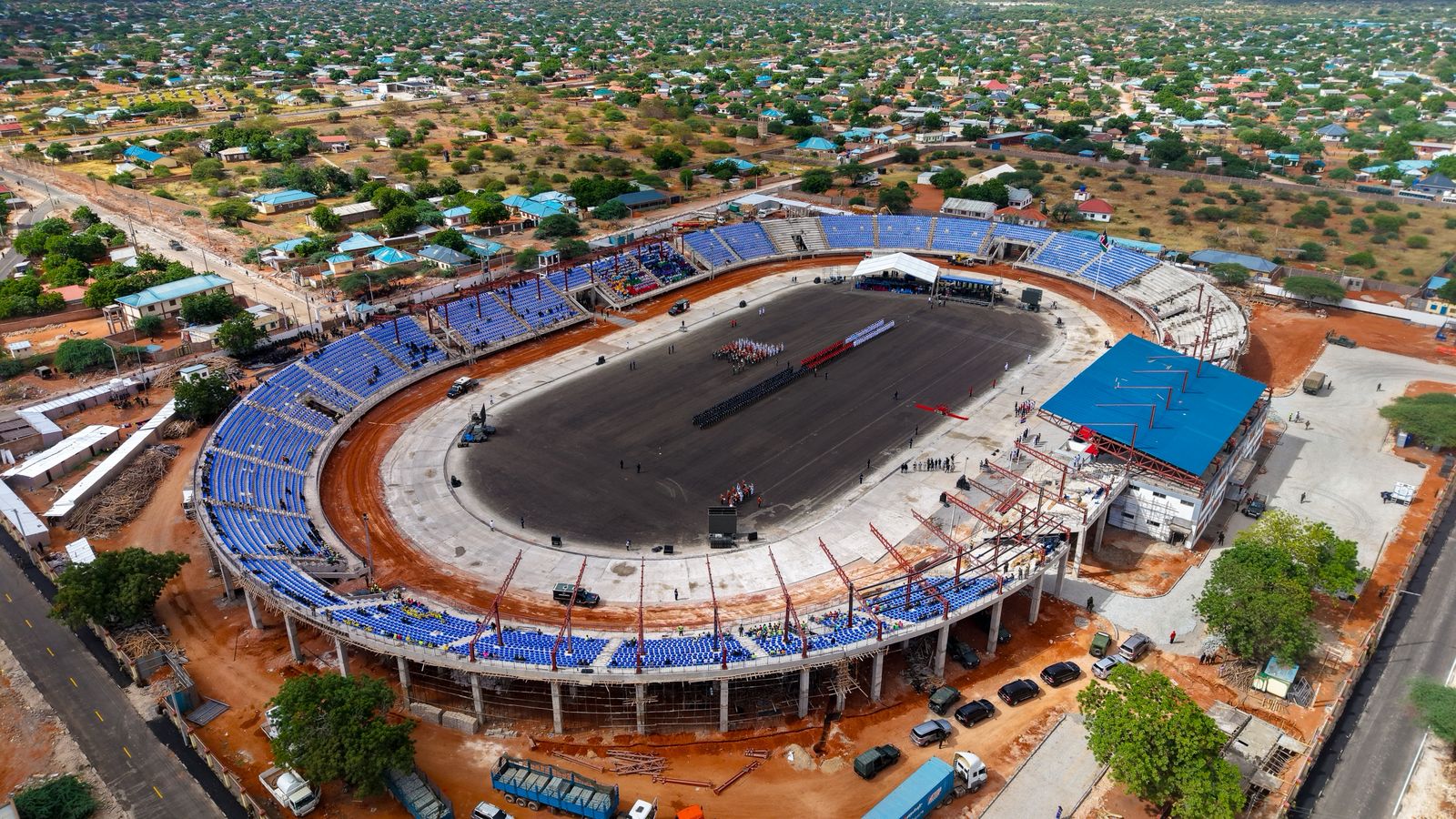
The centrepiece of the celebrations is the ultra-modern Wajir Stadium, a Sh900 million facility being constructed by the Kenya Defence Forces. The 10,000-seater stadium, now more than 84 percent complete, features a fully carpeted football pitch, running track, modern changing rooms, and improved spectator amenities. Beyond hosting the Madaraka Day event, the stadium is expected to become a long-term sporting and community hub that will nurture youth talent, create economic activity, and position Wajir as an emerging destination for regional sporting events.
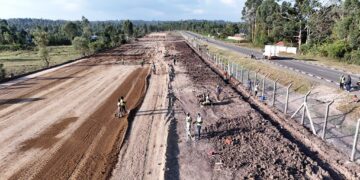
Road infrastructure development has also gained momentum ahead of the celebrations, with major upgrades reshaping Wajir town and its surrounding areas. The Kenya Urban Roads Authority has intensified the tarmacking of municipal roads, rehabilitation works, drainage expansion, and street improvements aimed at easing mobility and reducing congestion. Residents and businesses are already benefiting from improved accessibility, while the modernization of roads is expected to attract new investment opportunities and enhance trade within the region.
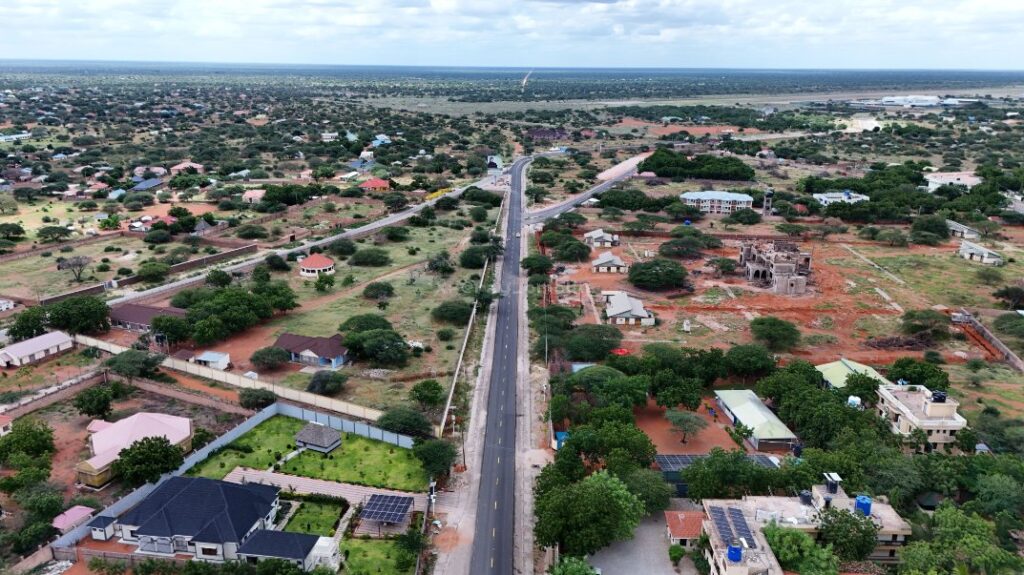
A major national undertaking driving long-term economic transformation is the Isiolo–Wajir–Mandera highway corridor project under the Horn of Africa Gateway Development Project. The multi-billion-shilling initiative, funded jointly by the Kenyan government, the World Bank, and the African Development Bank, seeks to upgrade the corridor to bitumen standards while integrating fibre-optic infrastructure, river bridges, and One-Stop Border Posts. The project is expected to significantly improve regional trade connectivity between Kenya and neighbouring countries while opening Northern Kenya to faster movement of goods, services, and digital opportunities.
Markets and urban commercial spaces are equally undergoing modernization as part of the county’s broader development push. New markets and upgrades in constituencies such as Eldas, Wajir South, and Wajir West are intended to create cleaner and more organized business environments for traders and consumers. Enhanced street lighting and public space improvements are also contributing to safer and more vibrant economic centres, particularly for small-scale traders and women-led businesses that form the backbone of the local economy.
The education sector has emerged as another key beneficiary of the renewed government investment. Wajir High School, one of the county’s oldest institutions established in 1965, is undergoing extensive modernization that includes the construction of new dormitories, internal roads, perimeter fencing, solar power systems, twin laboratories, and an ICT hub with a library. The improvements are being supported through partnerships involving the national government, the county administration, Safaricom Foundation, KeNHA, and alumni networks, all aimed at aligning learning facilities with the demands of the Competency-Based Curriculum and future workforce needs.
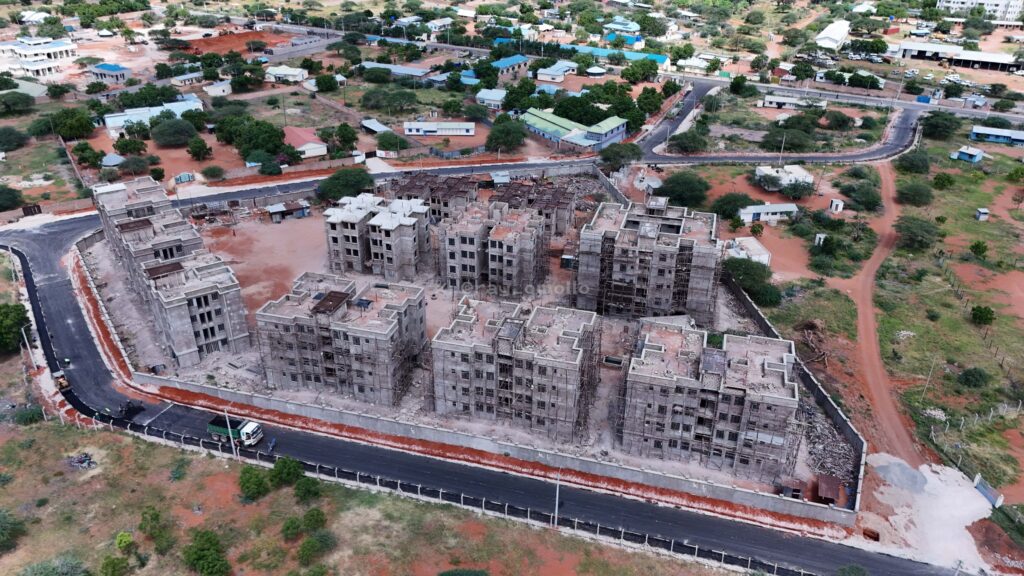
Affordable housing projects are also reshaping the county’s urban landscape under the national Boma Yangu programme. The Wajir Township Affordable Housing Project has already reached approximately 60 percent completion and is expected to deliver hundreds of modern housing units ranging from one-bedroom to two-bedroom apartments. Additional projects planned for Tarbaj and Kotulo constituencies are set to expand access to decent housing while generating employment opportunities in the construction sector and stimulating local economies.
The transformation extends to strategic infrastructure such as Wajir International Airport, which is undergoing expansion to accommodate growing passenger and cargo demand. At the same time, water access projects, including the drilling of high-yield boreholes, are helping improve water supply reliability in Wajir town. Complementary civil-military cooperation initiatives led by the Kenya Defence Forces, including school renovations, ablution block construction, and market clean-up exercises, are ensuring that the benefits of the Madaraka Day preparations will extend well beyond the national celebrations. Collectively, these interconnected projects symbolize a new chapter for Wajir and Northern Kenya, highlighting a national commitment to inclusive growth, regional equity, and sustainable development.