Kwale County is undergoing a significant transformation as the Kenya Kwanza administration intensifies development projects aimed at improving livelihoods, infrastructure and access to essential services. During his recent tour of the county, Kenya’s Deputy President Kithure Kindiki reaffirmed the government’s commitment to practical service delivery, emphasizing that the administration is focused on fulfilling promises made to wananchi rather than engaging in endless political rhetoric. As the principal assistant to President William Ruto, DP Kindiki has increasingly positioned himself as a key driver of government implementation across the country.
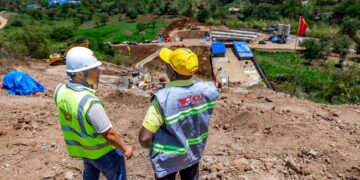
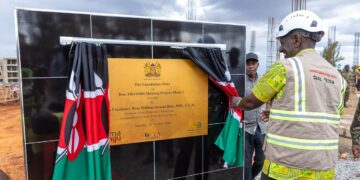
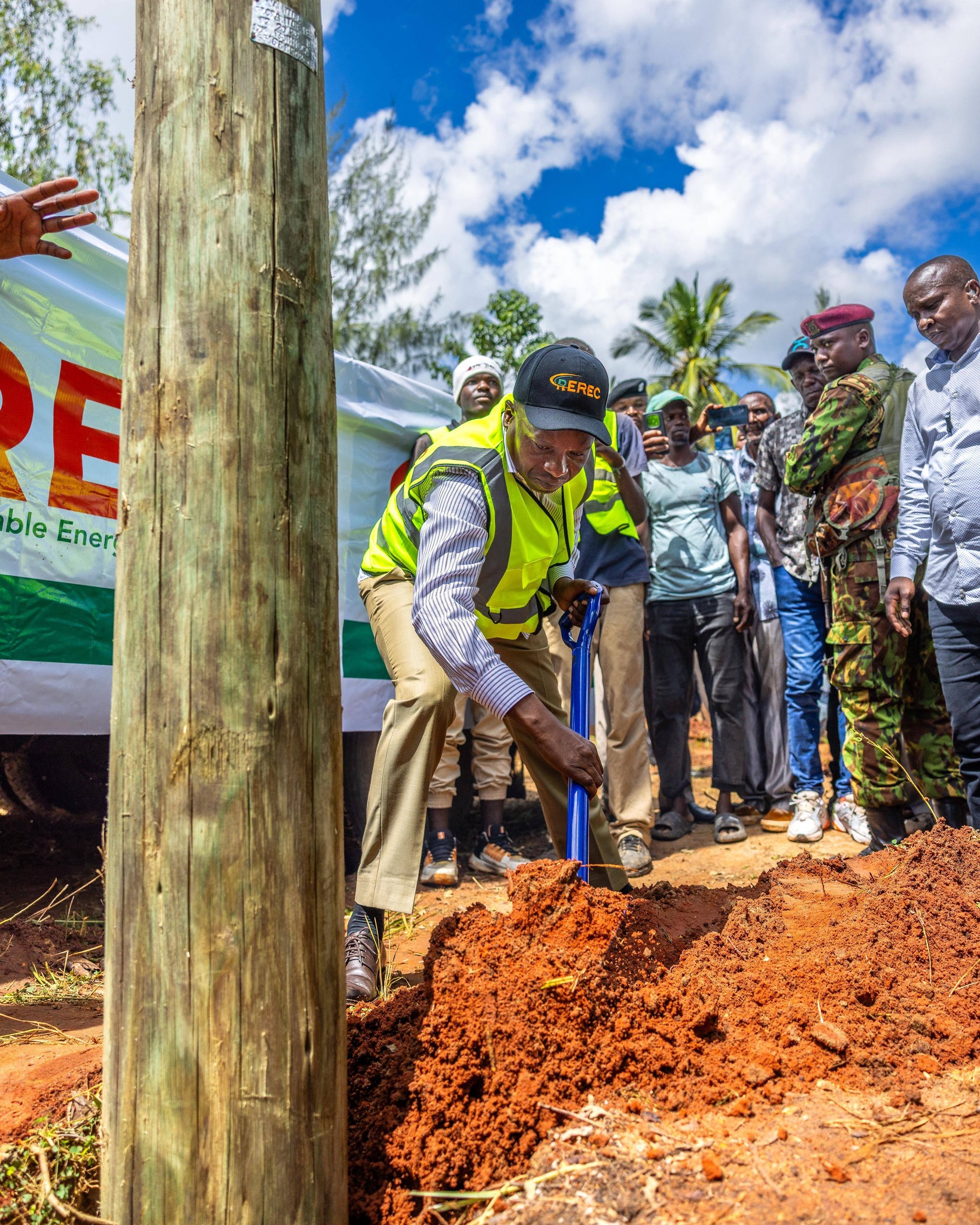
Among the flagship initiatives launched was the Magaoni-Masindeni Last Mile Electricity Supply Project, a major rural electrification program expected to transform lives in the region. The project will connect 105 homes, businesses and public institutions to electricity at a cost of KSh13.5 million. Residents welcomed the initiative, noting that access to power will spur small businesses, improve security and enhance education and healthcare services in the area.
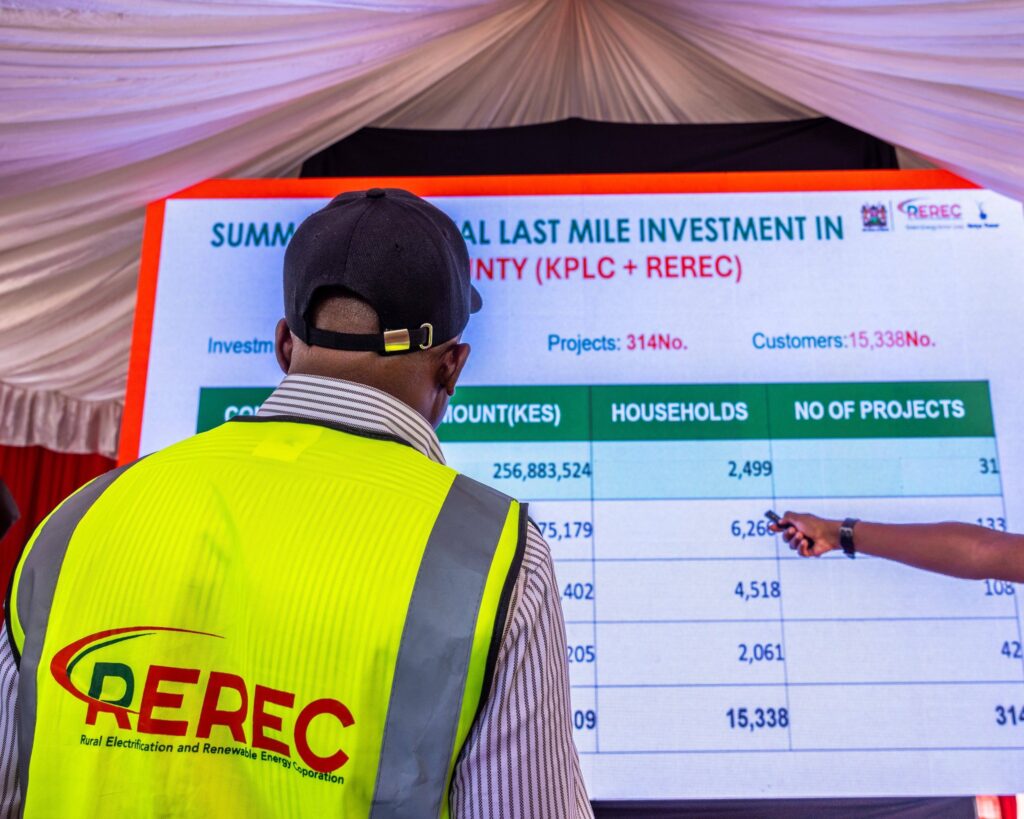
The Magaoni-Masindeni project forms part of a wider government plan to connect an additional 15,300 households in Kwale County to the national electricity grid at a total cost of KSh1.8 billion. The electrification drive underscores the government’s broader vision of achieving universal electricity access across Kenya. Currently, the national electricity connectivity rate stands at 66 percent, with the administration expressing confidence that universal access is now within reach through sustained investment in energy infrastructure.
While addressing residents, DP Kindiki reiterated that the government’s development agenda extends beyond electricity connectivity. He outlined ongoing plans to improve road infrastructure within Kwale County to facilitate trade, ease transport challenges and open up remote areas for economic growth. Improved roads are also expected to strengthen tourism and agricultural markets, sectors that remain critical to the county’s economy.
The Deputy President further highlighted government efforts to expand opportunities within the blue economy, a sector viewed as central to unlocking economic potential along the Coast region. Through investments in fishing infrastructure, value addition and market access, the government aims to increase earnings for coastal communities that depend on marine resources for survival. The administration maintains that empowering local communities economically remains central to achieving inclusive national growth.
Another major issue addressed during the tour was the longstanding land question that has affected many residents in Kwale and the wider Coast region. DP Kindiki acknowledged the historical land injustices that have contributed to the squatter problem for decades, pledging continued government intervention to provide lasting solutions. He assured residents that the Kenya Kwanza administration remains committed to resolving land ownership disputes in a manner that restores dignity and economic stability to affected families.
Politically, DP Kindiki continues to emerge as one of the administration’s most strategic and effective mobilizers. Having recently spearheaded the ruling United Democratic Alliance party’s successful campaigns in recent by-elections, Kindiki has demonstrated significant political wit and organizational strength. His growing influence within government and national politics has been attributed to his disciplined messaging, focus on development and ability to rally support around the government’s economic agenda rather than divisive politics.
Beyond development and political strategy, Kindiki has increasingly projected himself as a unifying national figure advocating for composure, restraint and mature leadership. In contrast to opposition leaders whom government allies accuse of relying on populist rhetoric without practical policy alternatives, the Deputy President has consistently urged leaders to prioritize national cohesion and solutions-oriented politics. His approach has resonated with sections of the public seeking stability, accountability and accelerated delivery of development projects across the country.