The Government plans to commission 21 County Aggregation and Industrial Parks (CAIPs) by March 2027, reaffirming its commitment to accelerating economic transformation, expanding production and creating opportunities for Kenyans across the country. The initiative is expected to strengthen manufacturing and value addition at the county level while unlocking the economic potential of different regions.
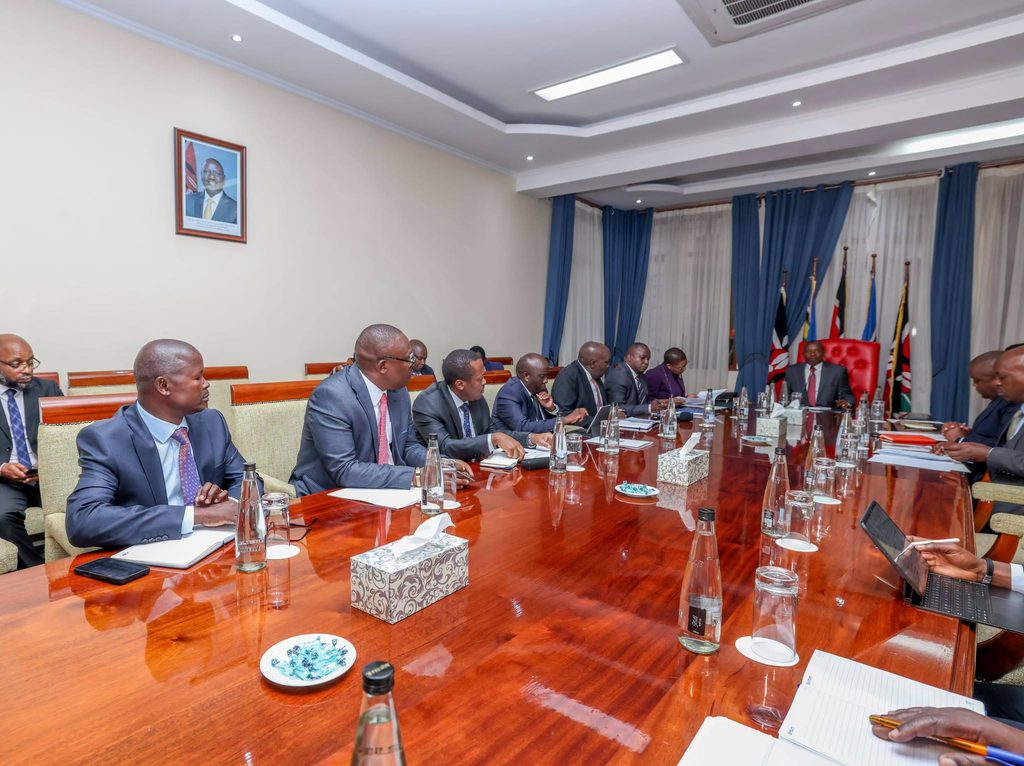
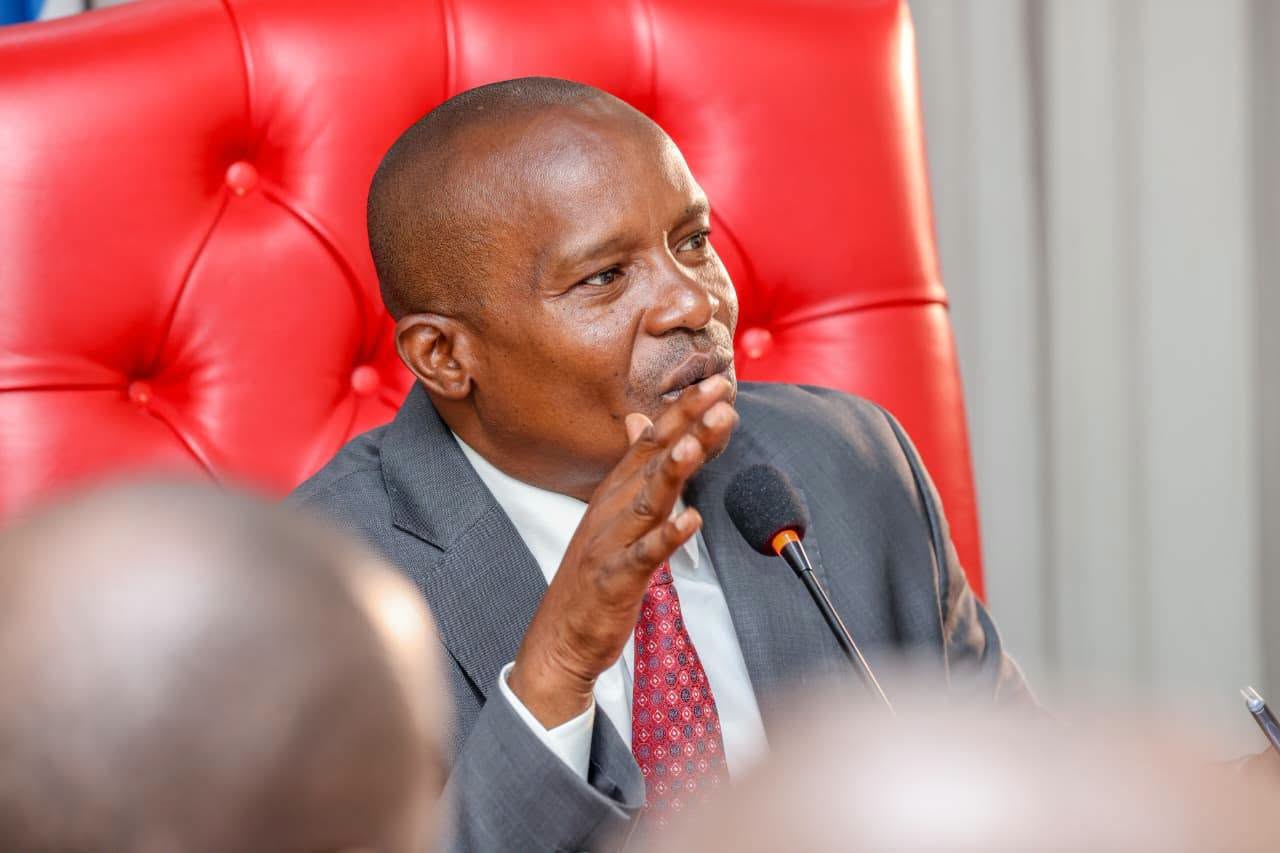
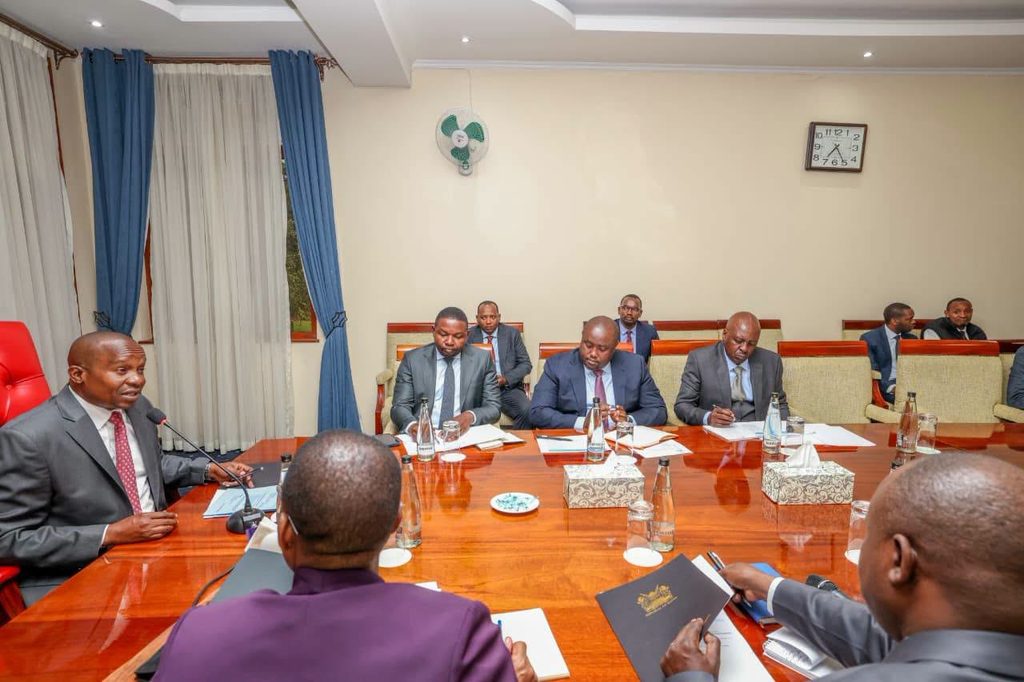
The programme gained renewed momentum following a meeting convened by Deputy President Kithure Kindiki to address bottlenecks that had delayed the completion and operationalisation of the parks. The Government has set an ambitious timeline, with eight parks expected to be commissioned by December 2026 and another 13 becoming operational by March 2027.
The Meru County Aggregation and Industrial Park will be the first to be commissioned by President William Ruto this month. It will be followed by parks in Embu, Kirinyaga, Garissa, Wajir, Migori, Kisii and Busia, which are expected to be commissioned by December. The phased rollout demonstrates the Government’s determination to move projects from planning and construction into productive use.
The industrial parks are designed to propel grassroots manufacturing and value addition, with each facility initially focusing on products aligned with the economic strengths of its respective county. This approach will enable counties to turn locally available agricultural and livestock resources into higher-value products, strengthening local economies and reducing reliance on the sale of raw commodities.
The parks will also provide new markets for farmers and livestock keepers while creating employment and income opportunities. By connecting producers to processing and manufacturing facilities, the Government seeks to improve returns to farmers, stimulate local businesses and create opportunities along entire value chains, including transport, storage, packaging, processing and distribution.
Kindiki said Government interventions to reduce the cost of certified seed, fertiliser and sexed semen are expected to increase the production of crops, milk, meat and other agricultural products. Increased production will provide the industrial parks with a steady supply of raw materials, helping to establish a sustainable link between agricultural productivity and industrial growth.
As the Government advances its development agenda, Kindiki also urged Kenyans to prepare for the projected El Niño rains by cooperating with security and disaster management officers and following safety directives. He called on county governments to strengthen preparedness by unclogging drainage systems and ensuring critical safety information reaches residents at the grassroots, while assuring Kenyans that adequate measures have been put in place to cushion them from the effects of the rains.
The planned commissioning of 21 industrial parks therefore represents a major step in the Government’s efforts to propel production, expand manufacturing and spread economic opportunities across the country. By combining industrialisation with stronger agricultural production and county-level value addition, the Government is seeking to build productive local economies, create jobs and raise household incomes, reinforcing its commitment to sustained and inclusive national growth.