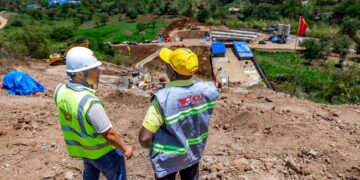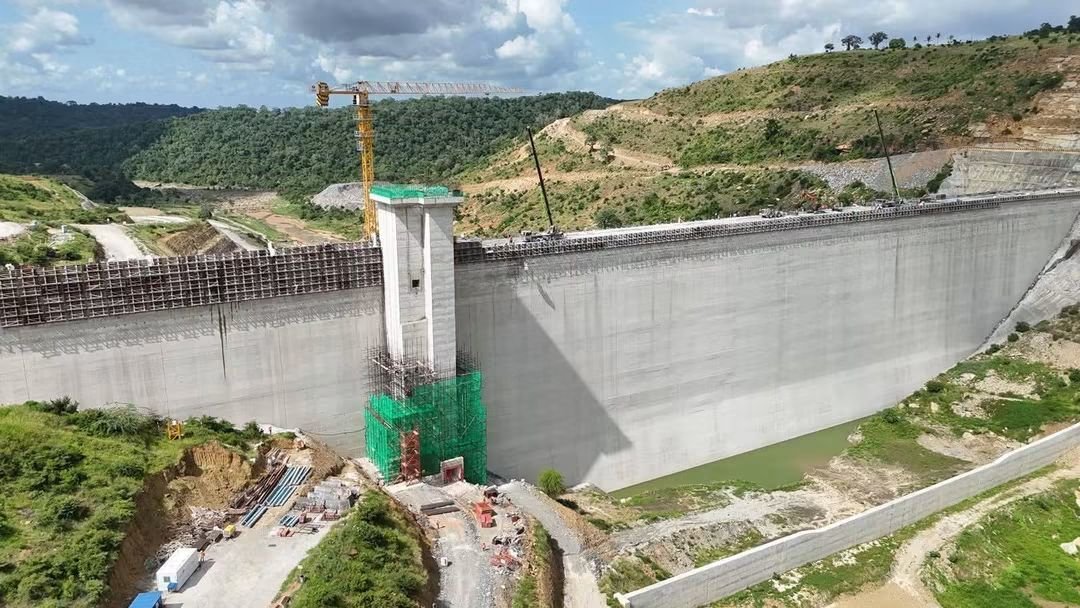
The Cabinet approved an additional KSh16.6 billion for the completion of the Mwache Dam project in Kwale County, providing a major boost to one of Kenya’s largest water infrastructure investments. The funding is expected to accelerate the final phase of construction of the flagship project, which is aimed at strengthening water security, improving climate resilience, and supporting long-term economic growth across the Coast region. Government officials view the allocation as a critical step toward expanding reliable water access for households, agriculture, and industries in Mombasa, Kwale, and neighboring counties.
Located in Kwale County, the Mwache Dam project has emerged as a flagship national investment designed to address chronic water shortages that have for decades constrained economic activity, industrial expansion, agricultural productivity, and urban development along the Coast. With construction now entering its final phase, the additional funding signals strong government commitment to delivering transformative infrastructure capable of supporting Kenya’s rapidly growing population and expanding economy.
Once operational, the dam is expected to supply approximately 186 million litres of water daily, benefiting an estimated 1.6 million residents in Mombasa and Kwale counties while significantly easing persistent water rationing challenges that have affected households, businesses, tourism facilities, and manufacturers. The project is also projected to meet nearly 80 percent of Kwale County’s daily water needs, creating a more reliable and sustainable supply system for communities and industries alike.
The funding boost comes after years of delays linked to compensation, resettlement, and relocation challenges affecting surrounding infrastructure and communities. With those issues now resolved, the government has effectively removed the major barriers that had slowed progress on a project first conceived as a long-term solution to the Coast region’s water crisis. The renewed momentum demonstrates the importance of sustained public investment and policy coordination in unlocking large-scale national development projects.
Mwache Dam represents far more than a conventional water project. As East Africa’s first Roller Compacted Concrete dam, it stands as a major engineering milestone that reflects Kenya’s growing capacity to implement complex, modern infrastructure systems. Designed through international collaboration involving engineers from Kenya, Japan, Switzerland, and the United Kingdom, the project places Kenya at the forefront of advanced water infrastructure development in the region.
The dam is expected to deliver broad economic benefits across multiple sectors. Reliable water access remains one of the most critical foundations for industrialisation and investment attraction, particularly in the Coast region where tourism, manufacturing, logistics, and port-related activities continue to expand. Improved water supply is expected to support business continuity, lower operational risks, and create a more attractive environment for both local and foreign investors seeking opportunities in the region.
Agriculture is also expected to experience a major transformation through the project. The dam will support irrigation across thousands of acres, reducing dependence on unpredictable rainfall and strengthening food production capacity in an increasingly climate-sensitive environment. Expanded irrigation infrastructure is likely to improve household incomes, enhance food security, and stimulate agribusiness development while supporting Kenya’s broader agenda of modernizing agriculture and promoting value addition.
Beyond economic gains, the project carries major social and public health significance. Expanded access to clean and reliable water has the potential to improve sanitation standards, reduce waterborne diseases, and ease the burden faced by many communities that have historically struggled with limited or inconsistent supply. The development of complementary infrastructure including schools, health facilities, water pans, access roads, and administrative centres is also expected to strengthen local service delivery and improve overall living standards in surrounding communities.
The project further reinforces Kenya’s climate adaptation agenda at a time when drought cycles, population growth, and environmental pressures continue to threaten water availability across many parts of the country. Large-scale water storage infrastructure is increasingly becoming essential for safeguarding economic stability and protecting vulnerable communities against climate-related shocks. Mwache Dam therefore represents a critical investment in resilience, preparedness, and long-term environmental sustainability.
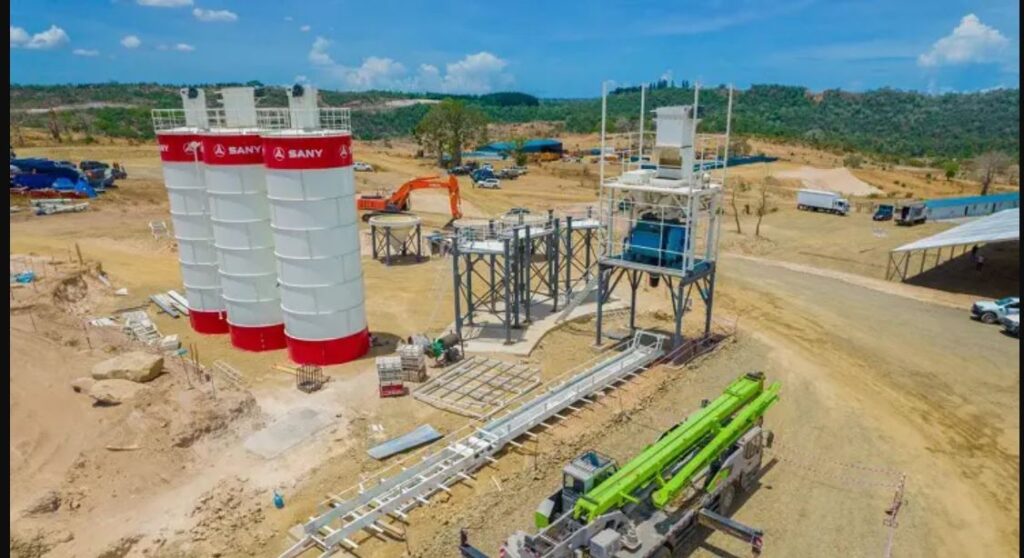
The construction phase itself has already generated employment opportunities for engineers, technicians, contractors, suppliers, and local enterprises, injecting economic activity into Kwale County and neighboring areas. As the project advances toward completion, additional opportunities are expected to emerge through long-term operations, maintenance services, irrigation schemes, and downstream commercial activities linked to improved water access.
The broader regional implications are equally significant. Reliable water infrastructure strengthens prospects for urban expansion, industrial parks, tourism investments, and integrated regional development across Mombasa, Kwale, and Kilifi counties. It also supports national ambitions to build resilient infrastructure systems capable of sustaining economic growth while improving quality of life for millions of citizens.
With the project now reported to be more than 80 percent complete, the additional KSh16.6 billion allocation represents a decisive intervention that keeps one of Kenya’s most strategic infrastructure investments firmly on course. The government’s continued focus on completing transformative projects such as Mwache Dam underscores a wider commitment to inclusive development, modern infrastructure expansion, and long-term national prosperity.
As Kenya accelerates investments in water security and climate resilience, the completion of Mwache Dam is poised to become a landmark achievement in the country’s development journey. The Cabinet’s latest approval not only advances a critical infrastructure project but also strengthens the foundation for sustainable economic growth, improved livelihoods, and greater resilience for millions of Kenyans across the Coast region and beyond.