The Government has reaffirmed its commitment to completing the Affordable Housing Programme (AHP), describing it as a transformative national initiative that is not only addressing Kenya’s housing deficit but also accelerating economic growth, creating jobs, and strengthening key sectors of the economy. The renewed commitment underscores the administration’s determination to ensure that ongoing housing and infrastructure projects are completed on schedule to improve the living standards of millions of Kenyans.
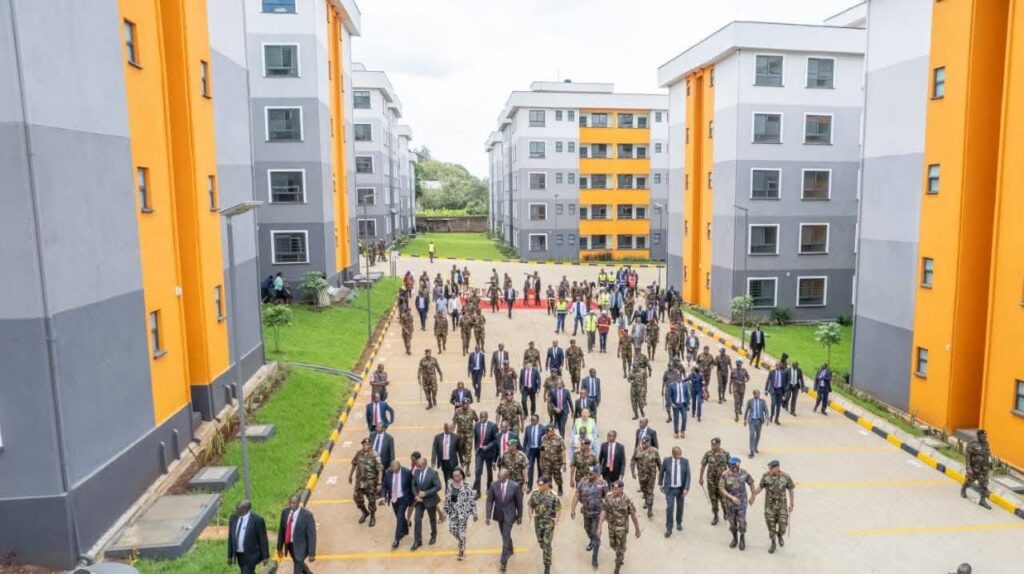
Speaking during an inspection tour of major development projects in Nairobi, Chief of Staff and Head of the Public Service, Felix Koskei, said the government will continue providing adequate resources to ensure the successful completion of affordable housing and other strategic infrastructure projects across the country. He emphasized that President William Ruto remains focused on delivering development projects that will propel Kenya towards achieving its Vision 2030 development goals and developed nation status.
Affordable housing has emerged as one of Kenya’s most significant economic drivers, with construction activities creating thousands of direct and indirect employment opportunities for engineers, architects, contractors, artisans, transport operators, suppliers, and casual labourers. The programme has become a major source of livelihoods for youth and skilled workers while injecting billions of shillings into local economies through increased demand for construction materials and related services.
The housing initiative is also providing a major boost to Kenya’s manufacturing sector by increasing demand for locally produced cement, steel, roofing materials, paints, tiles, electrical fittings, glass, furniture, and other building products. This growing demand supports local industries, encourages expansion of manufacturing capacity, stimulates investments, and strengthens the government’s Buy Kenya, Build Kenya agenda while enhancing industrial productivity and value addition.
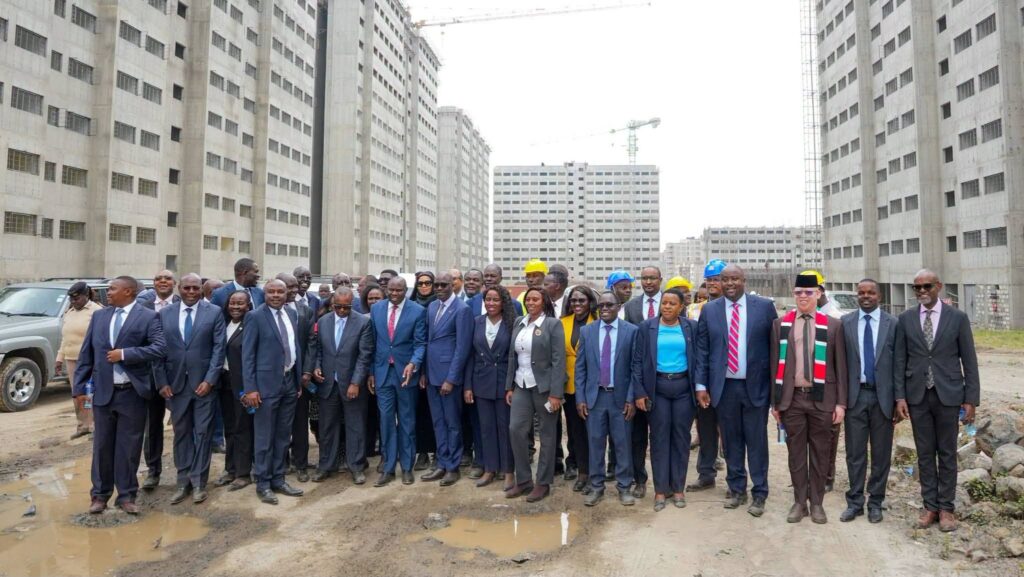
Housing and Urban Development Principal Secretary Charles Hinga said the government remains committed to ensuring every Kenyan has access to decent and affordable housing while simultaneously stimulating economic growth. He urged eligible Kenyans to register through the Boma Yangu platform and apply for the housing units already available across several counties, noting that the programme is transforming lives by making home ownership accessible to many families for the first time.
Beyond constructing houses, the Affordable Housing Programme is creating integrated urban communities equipped with essential infrastructure and public amenities. Government officials highlighted ongoing investments in trunk sewer systems, river training works, non-motorised transport facilities, parks, sports grounds, and community recreational spaces such as the Kamukunji amphitheater. These complementary projects are enhancing the quality of urban living while improving environmental sustainability and public health.
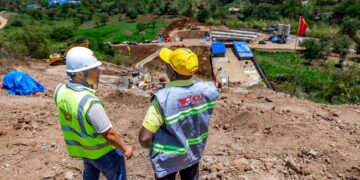
The government also showcased progress under the Nairobi River Regeneration Programme, where Internal Security and National Administration Principal Secretary Raymond Omollo said a 27-kilometre trunk sewer network is being constructed along the Nairobi River corridor. The upgraded system, capable of treating up to 60 million litres of wastewater daily, is expected to reduce pollution, improve sanitation, and protect the river ecosystem. Additionally, the ClimateWorX Mtaani Initiative has created employment for more than 45,000 youth and women engaged in environmental restoration, drainage maintenance, and river clean-up activities, demonstrating how infrastructure development can generate jobs while promoting environmental conservation.
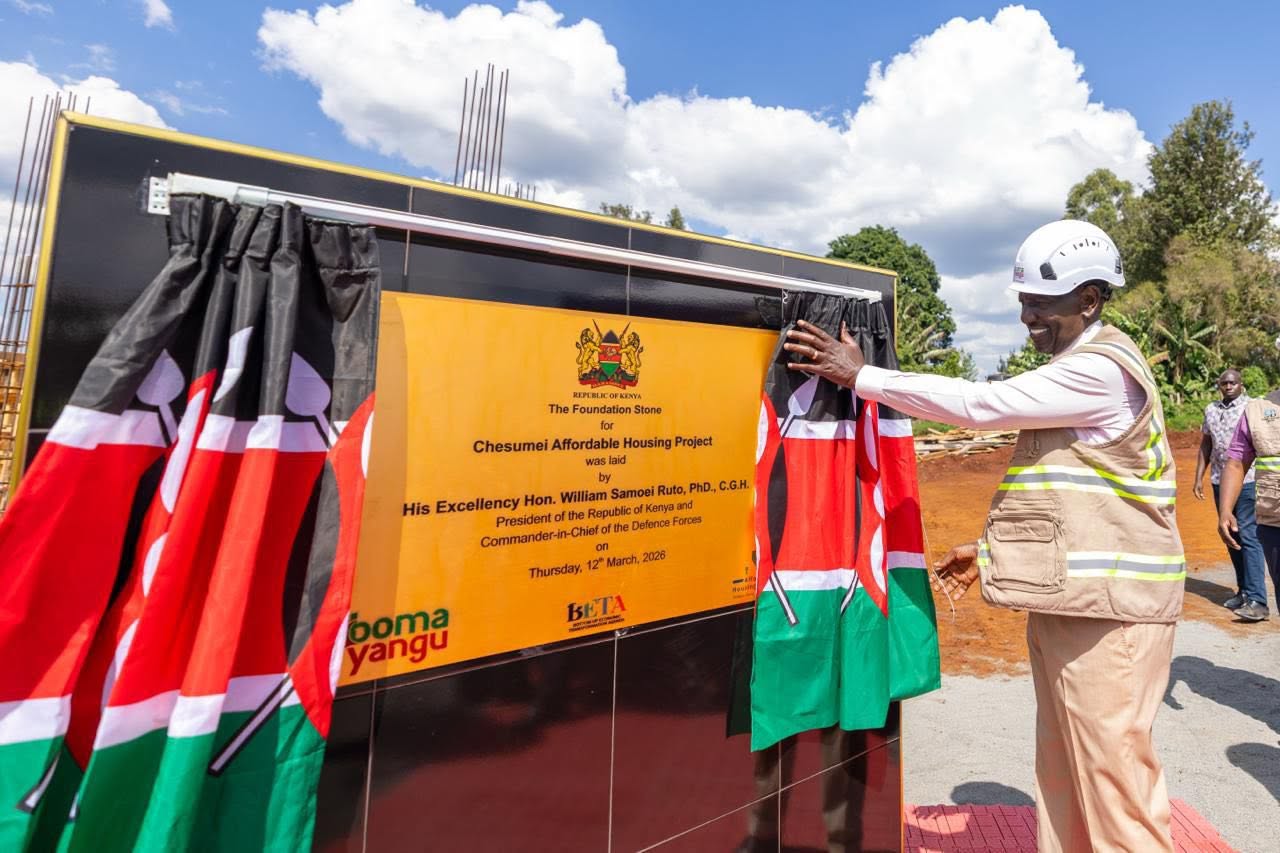
The Affordable Housing Programme remains one of the flagship pillars of the Bottom-Up Economic Transformation Agenda (BETA), with the government reiterating its commitment to delivering quality, affordable, and transparent housing across all counties. Besides reducing the country’s housing shortage, the programme is stimulating economic activity, supporting manufacturing industries, creating sustainable employment, improving urban infrastructure, and offering thousands of Kenyan families the dignity, security, and stability that come with owning a decent home.