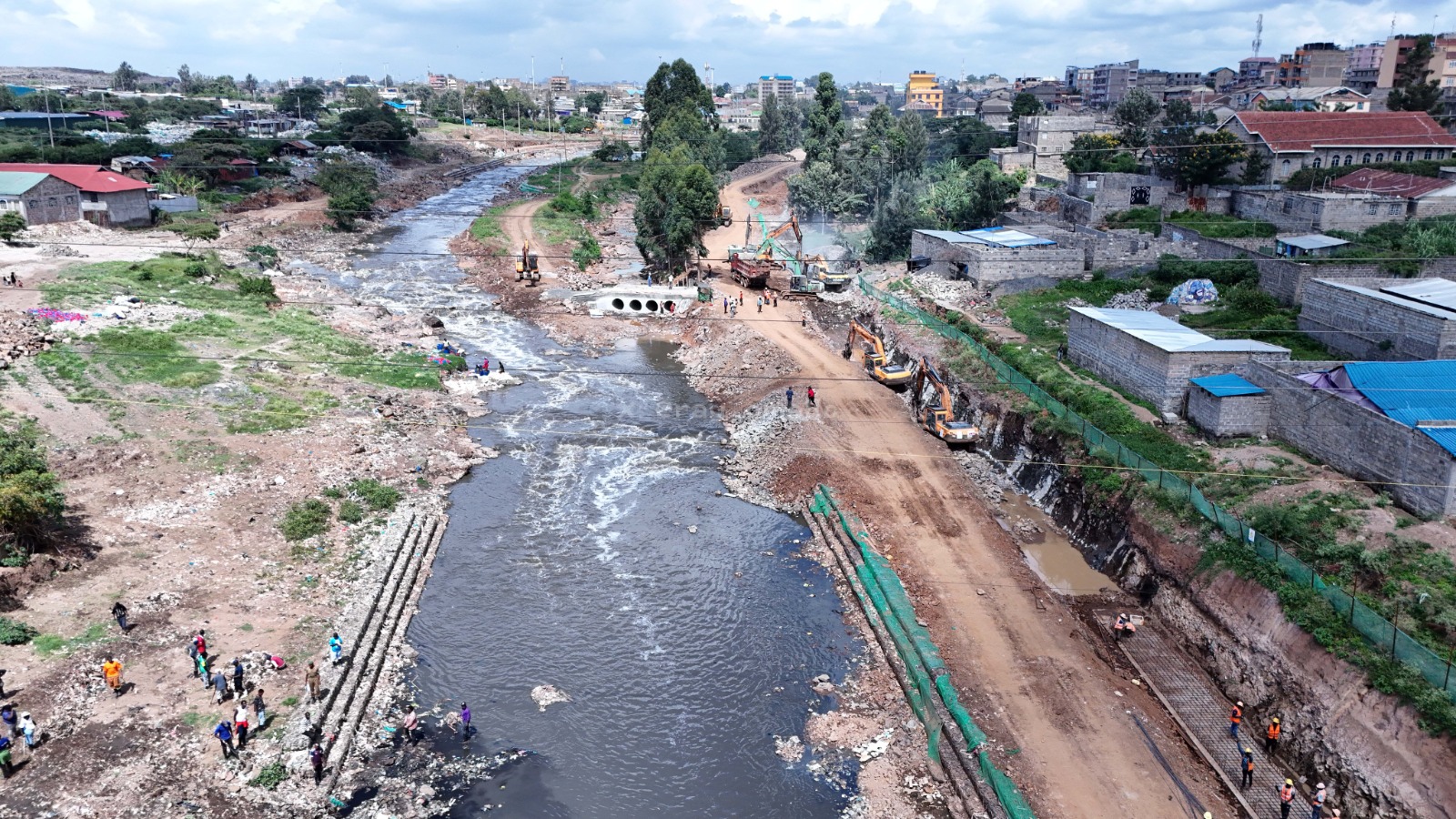
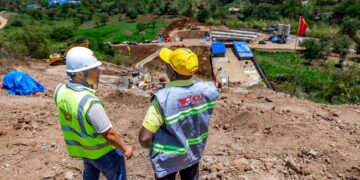
The government’s decision to fast-track the construction of a high-capacity twin trunk sewer network along the Nairobi River corridor signals a decisive shift in how Kenya confronts the pressures of rapid urbanization. Spanning more than 27 kilometers and designed to carry up to 310 million liters of wastewater daily, the project directly addresses decades of underinvestment in sanitation infrastructure that has left the capital’s river system heavily polluted and ecologically degraded.
Positioned within the Nairobi River Basin Regeneration Programme, the initiative reflects a growing recognition that wastewater management is central to economic productivity, environmental stability, and public health. Nairobi’s existing sewer system, originally built for a much smaller population, has long struggled with overloads, leading to frequent overflows and the discharge of untreated waste into the river. The new trunk system introduces a structural solution by significantly expanding capacity while integrating with existing sewer lines to improve overall network efficiency.
Economically, the project represents a major public investment with strong multiplier effects. Large-scale civil works are expected to generate employment for engineers, technicians, and construction workers, while also creating demand for local suppliers of materials, transport services, and environmental management solutions. Small and medium enterprises stand to benefit from subcontracting opportunities, particularly in areas such as drainage works, rehabilitation, and logistics. This injection of activity along the river corridor is likely to stimulate localized economic growth, especially in densely populated neighborhoods that have historically been underserved.
The environmental implications are equally significant. By intercepting and redirecting wastewater to treatment facilities, the project is set to drastically reduce pollution levels in the Nairobi River. This creates the foundation for restoring aquatic ecosystems, improving water quality, and reviving biodiversity along the riparian zone. Over time, cleaner waterways can support urban green spaces, enhance microclimates, and contribute to climate resilience in a city increasingly vulnerable to extreme weather patterns.
From a public health perspective, improved sewage management reduces exposure to waterborne diseases that disproportionately affect low-income communities living near contaminated waterways. The containment and proper treatment of waste will lower the incidence of infections linked to poor sanitation, easing pressure on healthcare systems and improving overall quality of life. In parallel, better drainage infrastructure embedded within the sewer design is expected to reduce flooding risks, particularly during heavy rains, which have often overwhelmed Nairobi’s outdated systems.
Socially, the project has the potential to reshape urban living conditions along the river. Informal settlements and adjacent neighborhoods stand to benefit from cleaner environments, improved connectivity through new bridges and access routes, and increased land value as environmental conditions improve. This aligns with broader efforts to restore dignity in urban spaces by transforming polluted corridors into functional and livable environments.
At a strategic level, the initiative reinforces Kenya’s long-term development frameworks. It aligns with Vision 2030’s emphasis on modern infrastructure, supports the Bottom-Up Economic Transformation Agenda through job creation and inclusive growth, and advances national climate goals by embedding green infrastructure into urban planning. By strengthening core utilities, the project also enhances Nairobi’s attractiveness to investors, particularly in sectors that depend on reliable urban services.
In the long term, the benefits extend beyond sanitation. Improved sewer coverage, reduced disease burden, and rising property values point to a more stable and productive urban economy. At the same time, the regeneration of the Nairobi River positions the city as a model for integrating environmental restoration with infrastructure development. This could elevate Kenya’s standing as a regional leader in climate-smart urban planning.
The success of the Nairobi River Basin Regeneration Programme will ultimately depend on sustained coordination, maintenance, and enforcement to prevent a return to past patterns of degradation. However, the scale and ambition of the trunk sewer project mark a critical inflection point. It demonstrates a shift toward viewing infrastructure not just as a utility, but as a catalyst for environmental recovery, economic expansion, and inclusive urban transformation.
Deputy President Kithure Kindiki has reaffirmed his unwavering commitment to supporting President William Ruto in delivering transformative development projects across the country, as he embarked on an extensive...
Read moreDetails