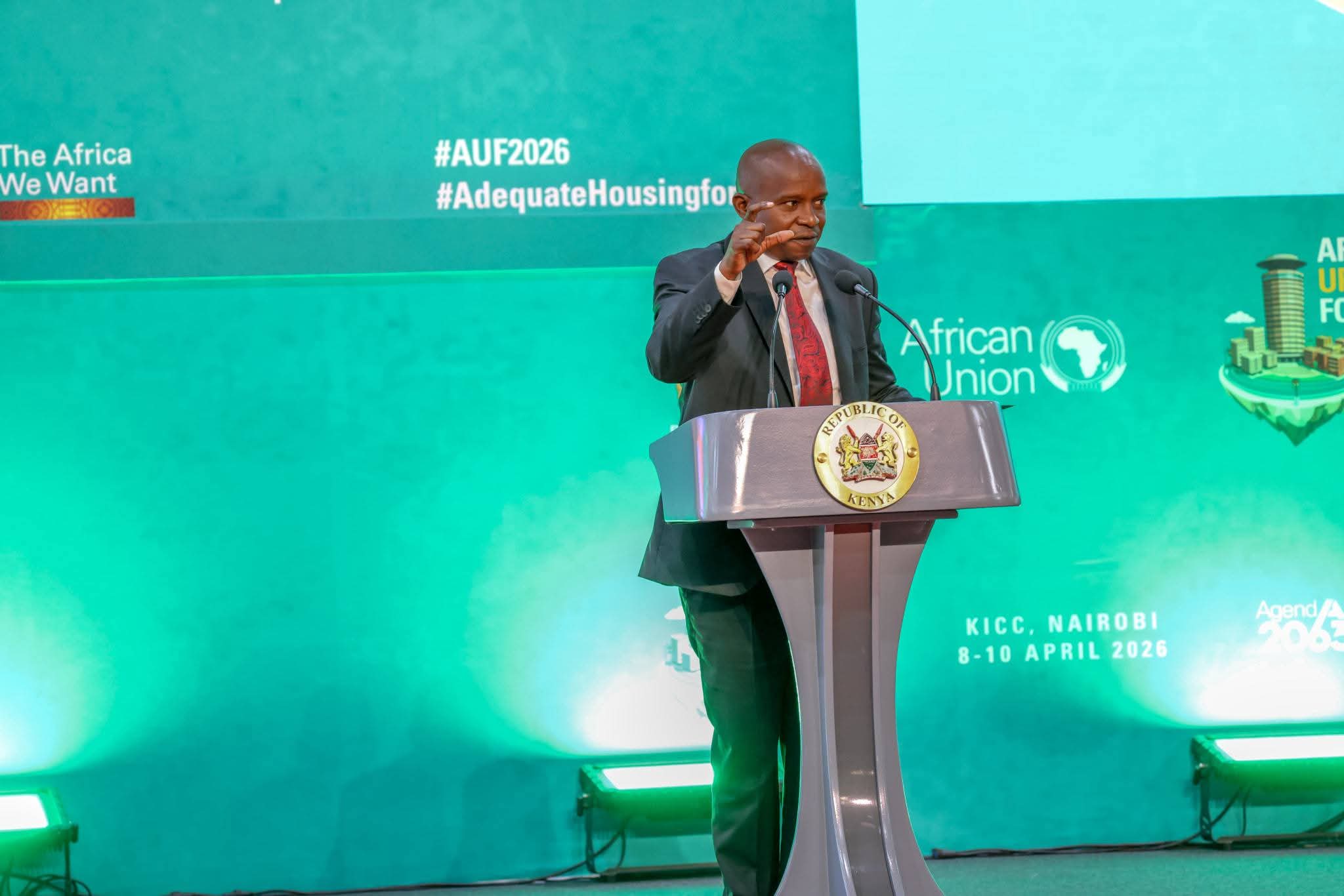
Kenya’s Deputy President Prof. Kithure Kindiki has called on African nations to adopt affordable housing as a practical solution to the continent’s growing urban challenges. Speaking at the Second Africa Urban Forum, he emphasized that structured housing programmes can play a transformative role in addressing rapid urbanization, informal settlements, and unequal access to decent living conditions.
The Deputy President made the remarks during the closing ceremony held at the Kenyatta International Convention Centre in Nairobi. The forum brought together policymakers and urban development stakeholders from across Africa to explore sustainable solutions to housing and infrastructure deficits affecting major cities.
At the core of Kindiki’s message was the success of Kenya’s Affordable Housing Programme under the leadership of William Ruto. He noted that the initiative has emerged as one of the most ambitious policy interventions in the developing world, translating long-standing housing challenges into actionable and measurable outcomes.
The programme’s significance lies in its scale and nationwide reach. With more than 200 active construction sites spread across various counties, the initiative is not only delivering homes but also redefining how governments can approach inclusive development. It demonstrates that large-scale housing projects can be effectively implemented with the right political will and policy consistency.
Economically, the housing programme has had a substantial impact. It has generated employment for hundreds of thousands of Kenyans, particularly young people engaged in construction and related sectors. This has provided a critical boost to livelihoods while simultaneously addressing unemployment challenges.
Beyond direct employment, the initiative has stimulated growth in the construction materials industry and other allied sectors. Increased demand for cement, steel, and finishing materials has created business opportunities for local enterprises, reinforcing domestic supply chains and supporting industrial expansion.
The government has also prioritized local participation, with contracts worth billions of dollars awarded largely to Kenyan contractors. This approach ensures that the economic benefits of the programme are retained within the country, further strengthening local capacity and expertise in large-scale infrastructure development.
Kindiki urged African countries to replicate this model while honoring commitments under frameworks such as the Nairobi Declaration. He stressed that consistent and uninterrupted housing policies are essential for long-term success. Ultimately, Kenya’s experience offers a compelling case for how affordable housing can drive economic growth, enhance social welfare, and reshape urban development across the continent.