Kenya has embarked on one of the most ambitious urban transport modernization programmes in its history following the launch of the Kenya Urban Mobility Improvement Project (KUMIP), a KSh65 billion initiative being implemented jointly by the Government of Kenya and the World Bank. The project marks a decisive step toward transforming mobility across the Nairobi Metropolitan Area through the modernization and expansion of the Nairobi Commuter Rail Network, positioning public transport at the centre of the country’s long-term urban and economic development strategy.
At a time when rapid urbanization continues to place increasing pressure on transport infrastructure, KUMIP arrives as a strategic intervention designed to address one of Nairobi’s most persistent challenges: traffic congestion. By investing in a modern, reliable and integrated commuter rail system, the Government is laying the foundation for a more efficient metropolitan economy while improving the daily lives of millions of residents who depend on affordable transportation to access jobs, education, healthcare and commercial opportunities.
The initiative aligns closely with the Bottom-Up Economic Transformation Agenda (BETA), which identifies infrastructure development as a key driver of inclusive growth, productivity and competitiveness. Improved connectivity between residential neighborhood, industrial centres, commercial districts and emerging economic corridors is expected to strengthen economic linkages across the metropolitan region while supporting broader national development objectives.
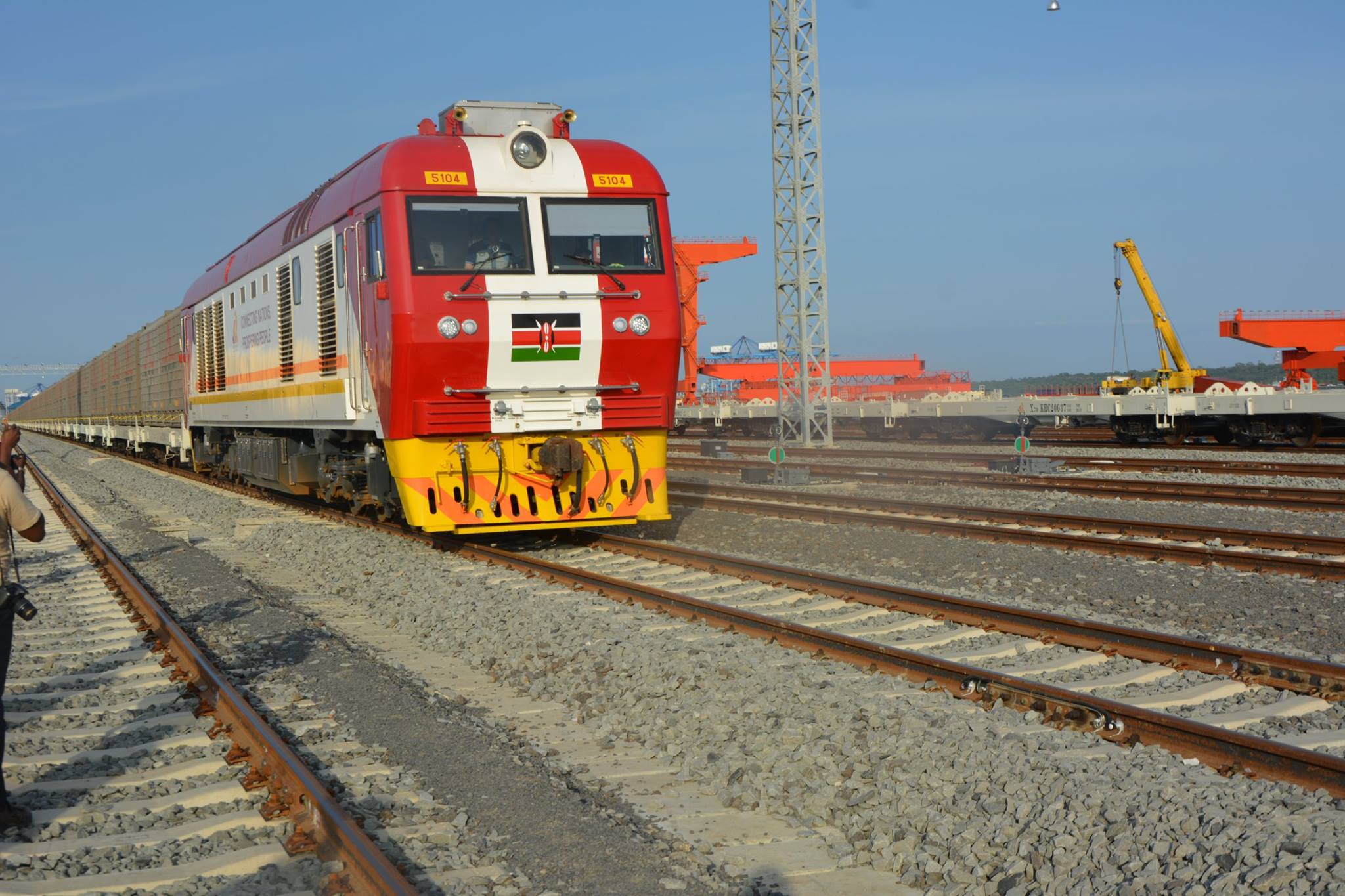
The scale of the project reflects the Government’s determination to modernize urban transport systems in line with global best practices. Among the flagship interventions are the development of the Nairobi Central Station-Thika commuter corridor, electrification of the commuter rail network and acquisition of modern train fleets, including electric and diesel-electric multiple units. These investments are expected to significantly improve service reliability, increase passenger capacity and enhance operational efficiency across the network.
The modernization programme extends beyond railway infrastructure. KUMIP will support the construction of station access roads, development of multi-modal transport transfer facilities and implementation of transit-oriented developments around railway stations. These complementary investments are designed to create seamless connections between rail services, road networks, bus systems and non-motorized transport infrastructure, allowing commuters to move more efficiently across the city and surrounding counties.
The emphasis on integration reflects a growing recognition that successful urban mobility requires interconnected transport systems rather than isolated infrastructure projects. By linking commuter rail services with roads, pedestrian facilities, cycling infrastructure and feeder transport networks, Nairobi is moving closer to a modern metropolitan transport model capable of supporting sustained economic expansion and population growth.
One of the most transformative aspects of the programme is the planned electrification of the commuter rail network. The transition toward electric-powered passenger rail services represents a major technological leap that will improve travel times, reduce operational costs and contribute to cleaner urban transportation. The introduction of modern electric trains is expected to provide a faster, more comfortable and environmentally sustainable alternative to road-based commuting.
The environmental benefits of the project are particularly significant. By encouraging a shift from private vehicles and road-based transport to mass transit solutions, KUMIP will help reduce vehicle emissions, lower fuel consumption and improve air quality across the metropolitan region. These outcomes support Kenya’s broader climate commitments and reinforce the country’s ambition to pursue green growth while maintaining strong economic momentum.
Beyond mobility improvements, the project is poised to become a major catalyst for economic activity. Infrastructure construction, rail operations, maintenance services and associated manufacturing investments will create employment opportunities across multiple sectors. The planned establishment of maintenance workshops, spare parts manufacturing facilities and a concrete sleeper production plant will also contribute to the growth of domestic industrial capacity and strengthen local supply chains.
The project’s procurement framework further demonstrates the Government’s commitment to transparency, competitiveness and private sector participation. Through collaboration with industry stakeholders and market consultations, implementation agencies are creating opportunities for Kenyan businesses to participate in project delivery while ensuring value for money and adherence to international standards. This approach is expected to support skills transfer, innovation and long-term capacity building within the country’s infrastructure sector.
The partnership between Kenya and the World Bank underscores growing international confidence in the country’s development agenda and infrastructure ambitions. Beyond financing, the collaboration brings technical expertise, institutional support and global experience in urban mobility transformation. Such partnerships are increasingly important as cities seek sustainable solutions to the challenges associated with rapid urban growth.
The benefits of improved urban mobility extend far beyond transportation. Faster and more predictable movement of people and goods supports trade, strengthens commercial activity and enhances the attractiveness of Nairobi as a destination for investment. Businesses benefit from reduced logistical inefficiencies, workers gain more productive time, and consumers enjoy improved access to economic opportunities and essential services.
For Nairobi, a city that continues to strengthen its position as a regional commercial, financial, innovation and logistics hub, efficient transport infrastructure is becoming an increasingly important competitive advantage. Modern commuter rail systems have emerged as defining features of successful global cities, enabling economic dynamism while improving urban livability. Through KUMIP, Kenya is taking meaningful steps toward building a transport ecosystem capable of supporting the demands of a modern and globally connected economy.
The programme’s influence is also expected to extend beyond the capital. While the immediate focus remains on the Nairobi Metropolitan Area, studies and planning activities supported under the initiative will help inform future urban mobility investments in other major cities. This creates an opportunity to replicate successful transport modernization models across Kenya as urban centres continue to expand and diversify.
Equally important is the project’s contribution to investor confidence. Large-scale infrastructure investments signal long-term policy consistency, development ambition and institutional capability. By advancing transformative projects that address critical economic bottlenecks, Kenya strengthens its reputation as a stable and forward-looking investment destination committed to sustainable growth and modernization.
The Kenya Urban Mobility Improvement Project therefore represents far more than a rail infrastructure programme. It is a comprehensive urban transformation initiative that integrates transportation, economic development, environmental sustainability and long-term planning into a single strategic framework. By modernizing commuter rail services, improving connectivity and creating a more efficient metropolitan transport system, the Government is addressing immediate mobility challenges while preparing Nairobi for future growth.
As implementation begins, KUMIP stands as a powerful demonstration of Kenya’s commitment to building world-class infrastructure that supports inclusive development, enhances competitiveness and improves quality of life. The project marks a transformative step toward reducing congestion, accelerating economic growth and creating a more connected, productive and sustainable urban future under the Bottom-Up Economic Transformation Agenda.