Kenya’s housing landscape is undergoing a profound transformation under the Affordable Housing Programme (AHP), a flagship pillar of the Bottom-Up Economic Transformation Agenda (BETA) spearheaded by William Ruto. What was once a distant dream for many low- and middle-income families—owning or accessing decent housing—is steadily becoming a lived reality. Nowhere is this shift more visible than across the Nyanza region, where large-scale housing developments are not only changing skylines but redefining livelihoods, dignity, and economic opportunity.
For years, many families in Kisumu and other urban centres in Nyanza lived in informal settlements marked by overcrowding, poor sanitation, and fragile structures. Life in such environments often meant adapting to hardship—leaking roofs, limited space, and unsafe conditions. Today, however, the AHP is rewriting that narrative. Thousands of families who once endured such realities are now on the path to secure, affordable homes, marking a turning point in their social and economic wellbeing.
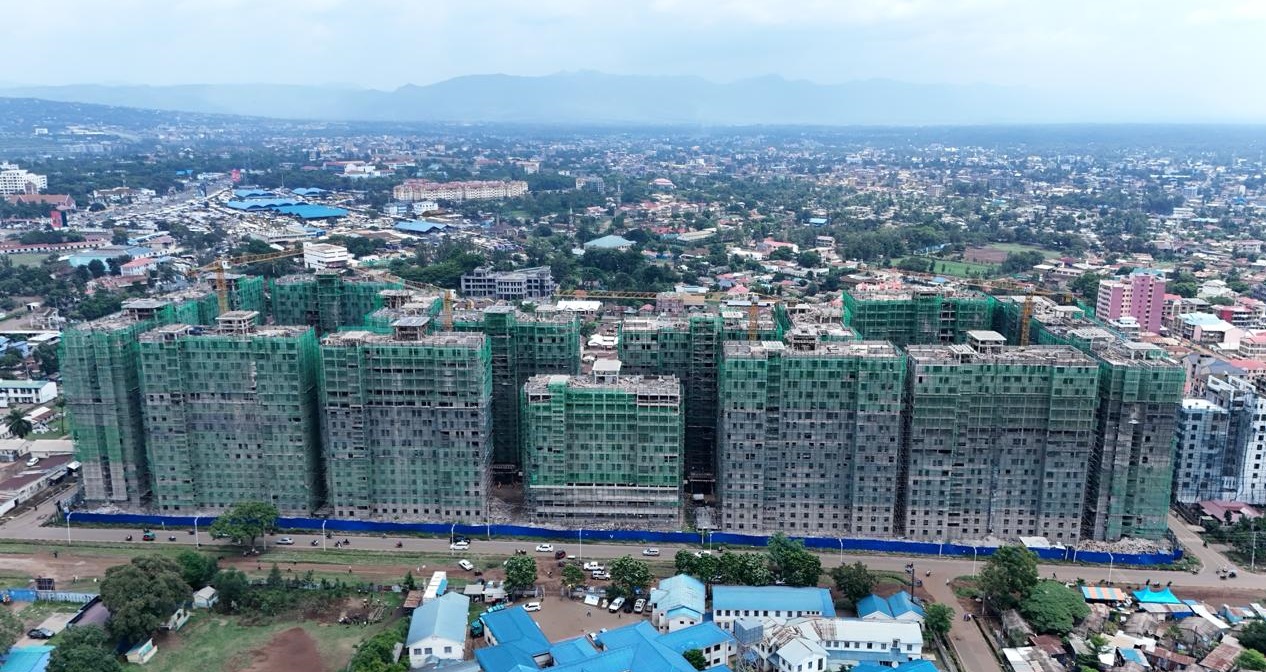
Across Kisumu, cranes tower over estates like Lumumba, Migosi, and Upper Kanyakwar, signaling a new era of urban renewal. With over 9,100 housing units currently under construction and more than 5,400 in the pipeline, the county has emerged as a regional hub for the programme. These projects are not just about structures; they represent carefully planned communities designed to offer dignity, accessibility, and improved quality of life for residents who have long been excluded from formal housing systems.
Beyond Kisumu, the ripple effects are being felt across the wider Nyanza region. In Migori County, more than 6,000 housing units are under development across towns such as Rongo, Kehancha, Awendo, and Suna East. These projects are catalyzing new urban growth centres, attracting investment and creating economic nodes in areas that previously lacked structured expansion. Similarly, Siaya County is witnessing the rise of nearly 4,000 housing units, with thousands more planned, reshaping towns like Bondo, Ukwala, and Yala.
Homa Bay is also positioning itself as a beneficiary of the housing revolution, with plans exceeding 7,600 units across key towns including Oyugis, Mbita, and Rangwe. In Kisii County, one of the most ambitious undertakings is taking shape, with over 2,000 units already under construction and nearly 11,000 more planned. The Kisii Prisons Affordable Housing Project alone is expected to deliver about 10,000 units, representing one of the largest housing investments in the country and underscoring the government’s commitment to scale.
Even smaller counties like Nyamira are not being left behind. With over 1,500 units under construction and additional projects planned, the programme is ensuring inclusivity by reaching areas that have historically received limited infrastructure investment. This equitable distribution reflects a deliberate strategy to decentralize development and bridge regional disparities.
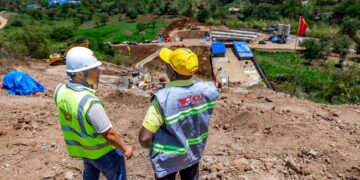
Beyond housing provision, the AHP is emerging as a powerful economic engine. Construction sites across Nyanza have become hubs of employment, engaging masons, electricians, engineers, and suppliers—many of them young people who previously struggled with unemployment. The daily influx of workers into nearby eateries, markets, and shops has invigorated local economies, turning small businesses such as “Mama Mboga” stalls into thriving enterprises. This multiplier effect highlights the programme’s broader economic significance.
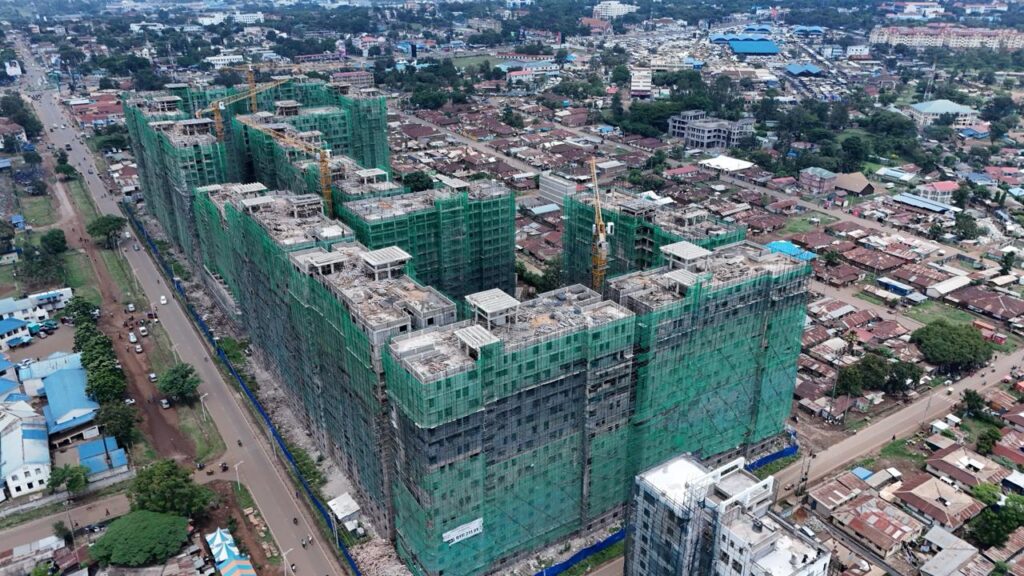
The initiative also integrates social infrastructure into its design. In Kisii, thousands of market stalls are being developed alongside residential units, while in Migori and Siaya, markets and training institutions are expanding in tandem with housing projects. This approach ensures that communities are not merely residential spaces but vibrant ecosystems where people can live, work, and access essential services within close proximity.
For public servants—including teachers, nurses, and police officers—the programme is addressing long-standing challenges related to housing affordability and proximity to workplaces. Staff housing components embedded within several projects are reducing commuting burdens and improving living standards, thereby enhancing service delivery in counties that depend heavily on these professionals.
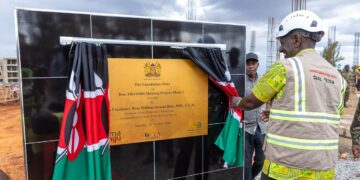
Policy support has played a critical role in accelerating the programme. The signing of the Affordable Housing Act in March 2024 by President William Ruto provided a legal and institutional framework for implementation, financing, and sustainability. This milestone has strengthened investor confidence and streamlined project execution, ensuring that the programme moves beyond political rhetoric into measurable outcomes.
Progress across counties reflects both achievements and challenges. While projects in places like Migori and Homa Bay are nearing completion or already delivering results, others—particularly in Nyamira—remain in early stages and require accelerated implementation. Nonetheless, the overall trajectory remains positive, with visible momentum across most regions.
At the national level, the Affordable Housing Programme is tackling a housing deficit estimated at over two million units, with urban demand rising by approximately 200,000 units annually. The government’s target of constructing between 200,000 and 250,000 units each year—toward a long-term goal of one million homes—demonstrates the scale of ambition required to address this gap.
Ultimately, the true impact of the programme lies not in statistics, but in the everyday experiences of Kenyans. It is seen in children studying in well-lit rooms, families enjoying privacy and security, and workers earning steady incomes through construction-related jobs. Across Nyanza and beyond, the Affordable Housing Programme is doing more than building houses—it is restoring dignity, fostering inclusion, and laying the foundation for a more equitable Kenya where every family has a place to call home.