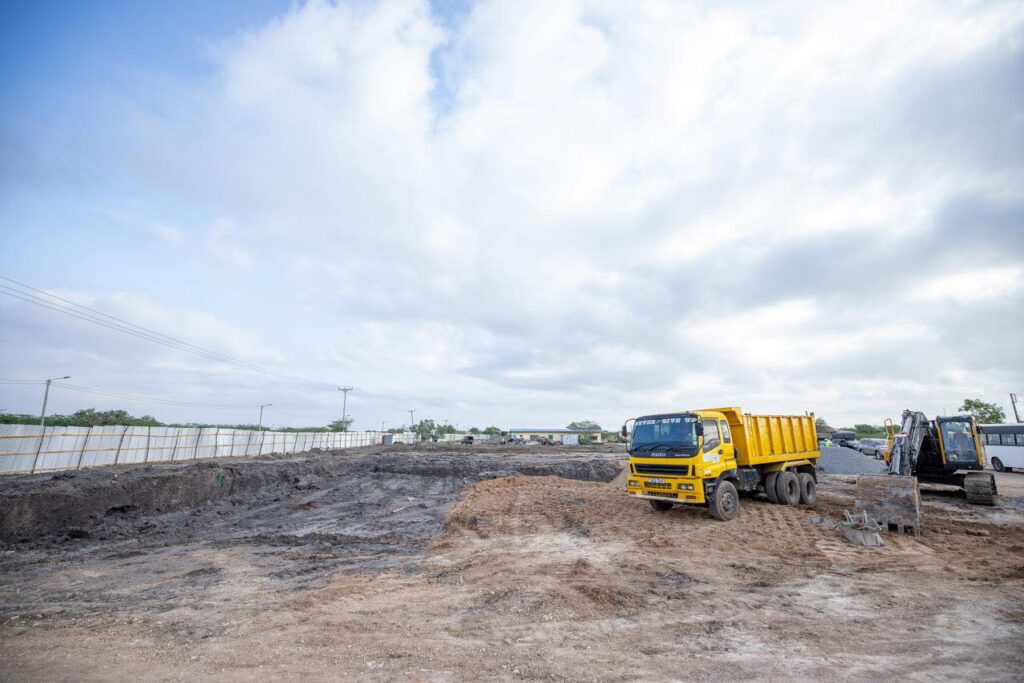
Kenya is poised for a major transformation in food production as President William Ruto unveils an ambitious plan to irrigate 1.5 million acres across the North Eastern and Coast regions. Anchored on the construction of 50 mega dams, the initiative is designed to convert historically low-potential arid areas into Kenya’s newest high-yield food baskets. The President emphasized that this forms a central pillar of the broader national strategy to place 2.5 million acres under irrigation, boosting productivity and strengthening long-term food security.
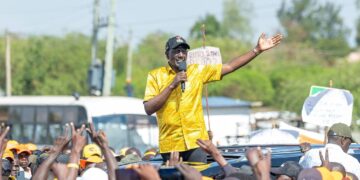
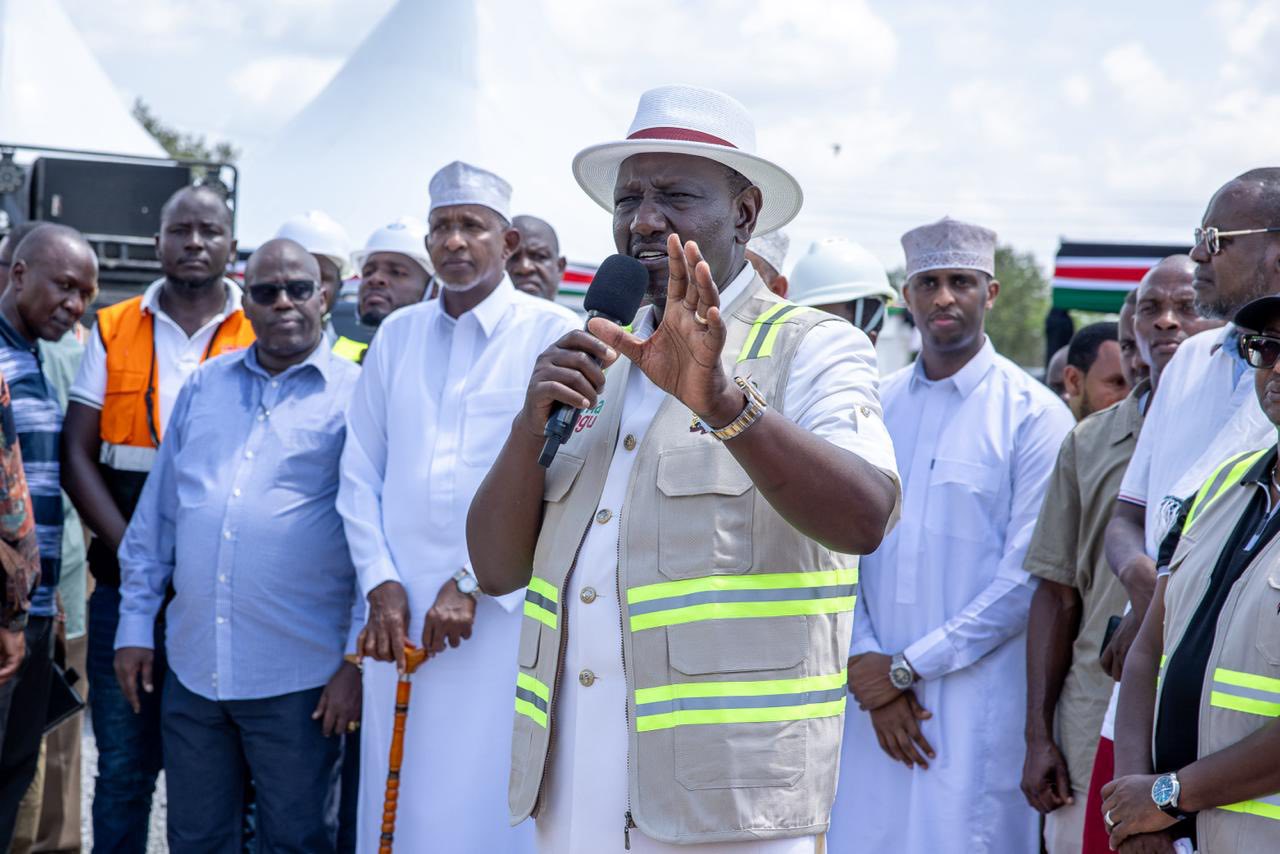
Speaking in Masalani, Ijara Constituency, during a wedding ceremony attended by national leaders, President Ruto highlighted the strategic significance of irrigation in reversing decades of underutilization of Kenya’s vast dry regions. He pointed out that Kenya only cultivates 15% of its land—areas that rely on rainfall—while 85% remains largely unused. The mega dams, he said, will enable the country to store water and expand agriculture into this dormant acreage, making food production more predictable and resilient in the face of climate variability.
One of the flagship projects, the High Grand Falls Dam, will be built along the Tana River across Tharaka-Nithi and Kitui counties. Expected to be Kenya’s largest dam, it will supply domestic water, support irrigation, and help transform Garissa into a key agricultural hub. The dam alone is projected to irrigate 300,000 to 400,000 acres, marking it as one of the most consequential water infrastructure projects in the country’s history.
President Ruto also outlined major road infrastructure plans that will open up the North Eastern region and improve national connectivity. The government is currently tarmacking the 410 km Lamu–Ijara–Garissa–Garbatula Road, which is already 50% complete. Additionally, the 750 km Isiolo–Mandera Road, the longest road ever undertaken by a Kenyan administration, is set for completion under the current government. Nationwide, 28,000 km of new roads have been mapped for construction, adding to the 22,000 km built in the past 60 years, as part of a plan to link every corner of the country.
Education remains another major priority, with the President announcing a rise in the national education budget from KSh490 billion in 2021 to KSh700 billion this year—equivalent to 30% of the national budget. This investment has led to the construction of 23,000 classrooms, ongoing development of 1,600 laboratories, employment of 100,000 new teachers, and expanded funding for tertiary institutions. President Ruto noted that equipping Kenyans with world-class skills is essential for building the human capital needed to drive the country into first-world status.
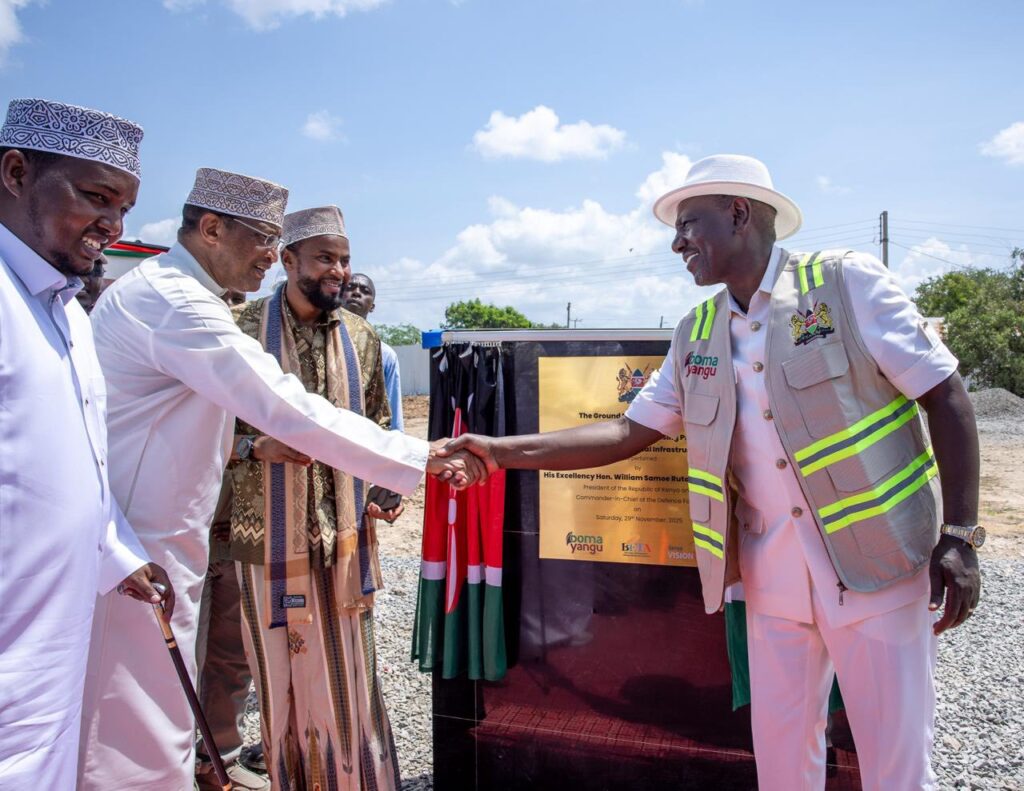
While in Masalani, the President launched several development projects, including the 376-unit Ijara Affordable Housing Project, handed over a new bus to Yusuf Haji Girls Secondary School, laid the foundation for the school’s phase two expansion, and announced plans for 32 new classrooms to support the growing population. He also committed to upgrading Masalani Hospital and establishing a Kenya Medical Training College to boost healthcare access and support universal health coverage in the region.
President Ruto reaffirmed that no region—especially North Eastern—will be left behind in Kenya’s development journey. He attributed recent electoral victories in by-elections across the country to a unified political approach under a broad-based alliance that avoided competing candidates. He urged leaders to maintain unity as the government pursues its transformative agenda. Health Cabinet Secretary Aden Duale lauded the President for restoring dignity to communities in the region, particularly by ending discrimination in access to national identification documents and other government services.