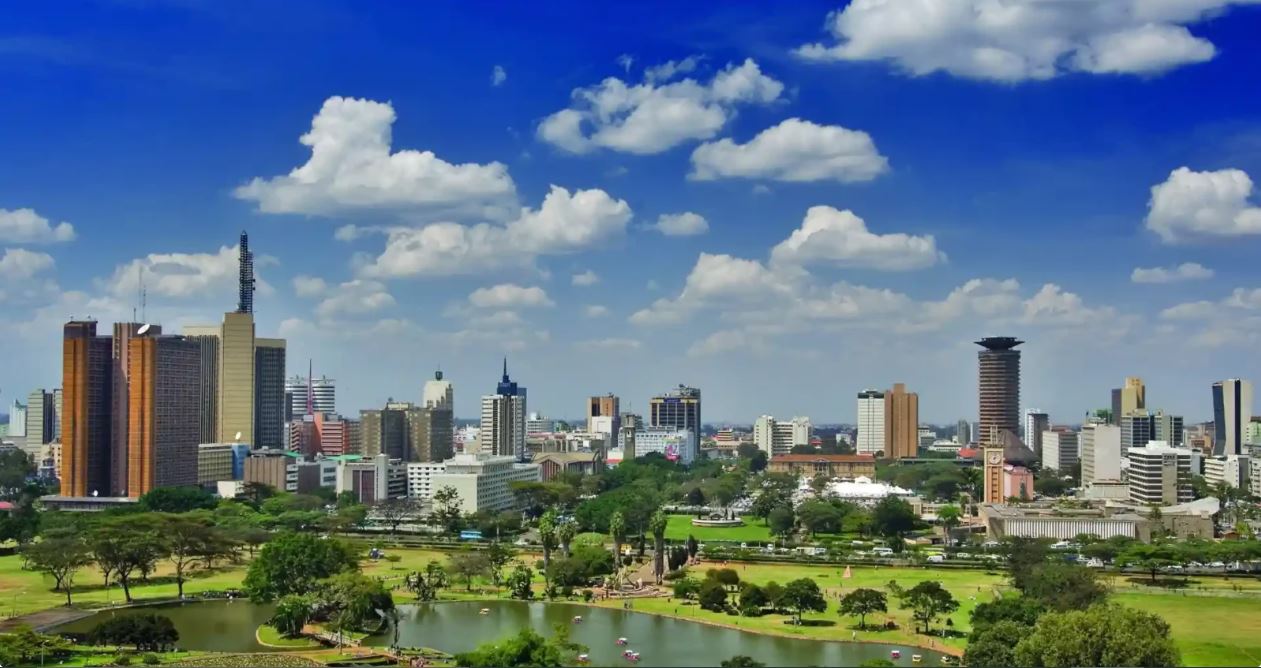
Kenya formally launched the Sh520 million Nairobi Green Cities Project, marking a decisive step in repositioning Nairobi as a leading African hub for climate-smart urban development. Backed by the United Nations Environment Programme and UN-Habitat, the initiative reflects a growing alignment between national priorities and global climate action frameworks.
The five-year programme, funded through the Global Environment Facility, channels strategic investment into low-carbon infrastructure, resilient urban systems, and nature-based solutions. Beyond the initial Sh520 million injection, the project is structured to unlock significantly larger public investment flows while drawing on technical expertise from international partners. This blended financing model positions the initiative not just as a standalone intervention, but as a catalyst for sustained green growth in the capital.
At its core, the project introduces an integrated model of urban planning that responds directly to the pressures of rapid urbanization. Nairobi’s expansion has intensified demand for housing, transport, waste management, and environmental protection. The new initiative addresses these pressures through coordinated investments in sustainable mobility, renewable energy adoption, improved waste systems, and the restoration of ecosystems along key urban corridors such as the Nairobi River.
A pilot “green neighborhood” programme in Kamukunji will serve as the proving ground for this approach, targeting over 85,000 residents with climate-resilient infrastructure, expanded green public spaces, and improved access to essential services. The focus on neighborhood-level transformation ensures that national climate ambitions translate into tangible improvements in daily urban life.
For residents, the expected gains are immediate and practical. Cleaner air, reduced urban heat, and improved flood management will directly enhance public health and safety. Expanded green spaces and better waste systems will contribute to more livable communities, while sustainable transport solutions promise to ease congestion and reduce emissions. These interventions collectively signal a shift toward a healthier, more efficient urban environment.
The project also carries strong economic implications. By prioritizing green infrastructure and environmental management, it is set to stimulate job creation across sectors such as construction, urban planning, renewable energy, and ecosystem restoration. This opens new pathways for youth employment while strengthening Kenya’s emerging green economy.
Equally significant is the strength of the partnership underpinning the initiative. Collaboration between the national government, Nairobi City County, and key institutions including the State Department for Housing and Urban Development and the Ministry of Environment ensures a coordinated, whole-of-government approach. The involvement of UNEP and UN-Habitat reinforces global confidence in Kenya’s capacity to deliver scalable urban solutions.
This alignment extends to Kenya’s broader international commitments. The Nairobi Green Cities Project supports national targets under global climate agreements and sustainable development frameworks, reinforcing the country’s standing as a regional leader in climate action. By embedding sustainability into urban planning, Kenya is demonstrating how policy ambition can translate into practical, on-the-ground transformation.
Looking ahead, the initiative positions Nairobi as a model for other rapidly growing cities across Africa. Its emphasis on integrated planning, climate resilience, and investment mobilization reflects a forward-looking strategy that balances economic growth with environmental stewardship.
The launch of the Nairobi Green Cities Project signals more than a policy milestone. It represents a clear statement of intent. Kenya is advancing a vision of cities that are inclusive, resilient, and globally competitive. With strong institutional coordination and sustained investment, Nairobi is now firmly on course to become a benchmark for sustainable urban development in the region.
Deputy President Kithure Kindiki has reaffirmed his unwavering commitment to supporting President William Ruto in delivering transformative development projects across the country, as he embarked on an extensive...
Read moreDetails