President William Ruto unveiled an ambitious Sh3 billion plan to construct a new ferry at the Likoni crossing in a major infrastructure intervention aimed at transforming mobility, easing congestion, and unlocking greater economic activity across Kenya’s Coast region.
The project, which is expected to be completed before December, marks one of the most significant upgrades to the Likoni crossing in recent years and reinforces the government’s commitment to modernizing maritime transport infrastructure under the Bottom-Up Economic Transformation Agenda. The additional ferry is expected to significantly improve movement between Mombasa Island and the South Coast, a critical transport corridor relied upon daily by thousands of commuters, traders, tourists, and transport operators.
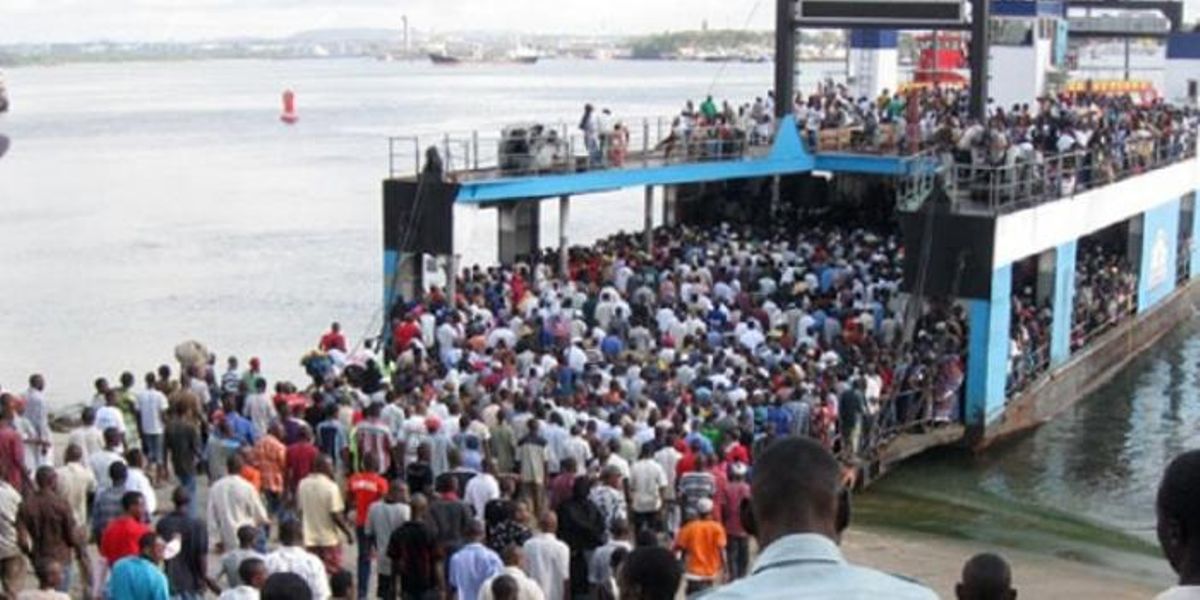
For decades, the Likoni crossing has served as a vital gateway linking businesses, residential areas, tourism facilities, and commercial centres along the Coast. However, persistent congestion, long waiting times, overcrowding, and operational strain have increasingly affected productivity and disrupted the smooth movement of people and goods. The government’s latest investment seeks to directly confront these long-standing challenges by introducing a modern ferry system designed to enhance efficiency, reliability, and safety.
The new ferry is expected to substantially reduce traffic bottlenecks that have slowed economic activity and frustrated commuters during peak hours and holiday seasons. Thousands of workers who depend on the crossing every day are set to benefit from shorter travel times and more predictable transport services, while businesses operating within the Coast region are expected to experience smoother logistics and improved customer access.
The project is also expected to strengthen the tourism sector, which remains one of the Coast region’s biggest economic drivers. Faster and more reliable movement between the island and the South Coast is likely to improve visitor experiences and support hospitality businesses, tour operators, beach resorts, and small enterprises that rely heavily on uninterrupted transport connectivity. Improved ferry services are also expected to encourage greater domestic travel and increase investor confidence in the region’s transport infrastructure.
Beyond easing congestion, the government is positioning the project as part of a broader national strategy to modernize Kenya’s maritime and transport systems. The investment aligns with ongoing efforts to expand transport infrastructure, improve public service delivery, and support economic integration across key growth corridors. The Likoni project also complements wider investments being rolled out across the Coast region, including road upgrades, port expansion initiatives, housing projects, and mobility improvement programmes.
The new ferry is expected to deliver major safety improvements at one of the country’s busiest water crossings. Concerns over overcrowding, operational pressure, and accidents at the channel have persisted for years as commuter numbers continued to rise. The planned vessel is expected to introduce higher operational standards, improved boarding systems, and enhanced capacity that will reduce pressure on existing ferry services while improving passenger confidence and commuter safety.
The project is also expected to create employment opportunities during both construction and operational phases. Engineers, technicians, transport workers, maritime personnel, suppliers, and local contractors are likely to benefit from the investment as the government accelerates implementation. The long-term efficiency gains from improved ferry operations are also expected to support productivity growth for businesses and workers across the region.
President Ruto’s broader Coast development agenda has increasingly focused on infrastructure investments aimed at unlocking regional economic potential and addressing historical mobility challenges. Alongside the ferry project, the government has announced additional investments targeting transport connectivity and urban mobility improvements in areas such as Mtongwe, signaling a coordinated push to modernize the Coast’s transport ecosystem.
The administration has continued to frame infrastructure development as a key pillar of economic transformation, arguing that efficient transport systems are essential for trade, investment, tourism growth, and national competitiveness. By prioritizing strategic projects such as the Likoni ferry upgrade, the government is seeking to enhance connectivity while supporting inclusive growth opportunities for communities that depend on the transport corridor for livelihoods and commerce.
The planned completion timeline before December also reflects the administration’s emphasis on accountability and timely delivery of flagship infrastructure projects. The government has consistently maintained that accelerated implementation and visible development outcomes are central to sustaining economic momentum and improving service delivery across the country.
The new Likoni ferry now stands as a major symbol of Kenya’s infrastructure modernization drive and the government’s commitment to building a more efficient and connected economy. Once operational, the vessel is expected to ease pressure on one of the country’s most critical transport links, strengthen economic integration across the Coast region, and reinforce Kenya’s long-term development ambitions under the Bottom-Up Economic Transformation Agenda.
Deputy President Kithure Kindiki has reaffirmed his unwavering commitment to supporting President William Ruto in delivering transformative development projects across the country, as he embarked on an extensive...
Read moreDetails