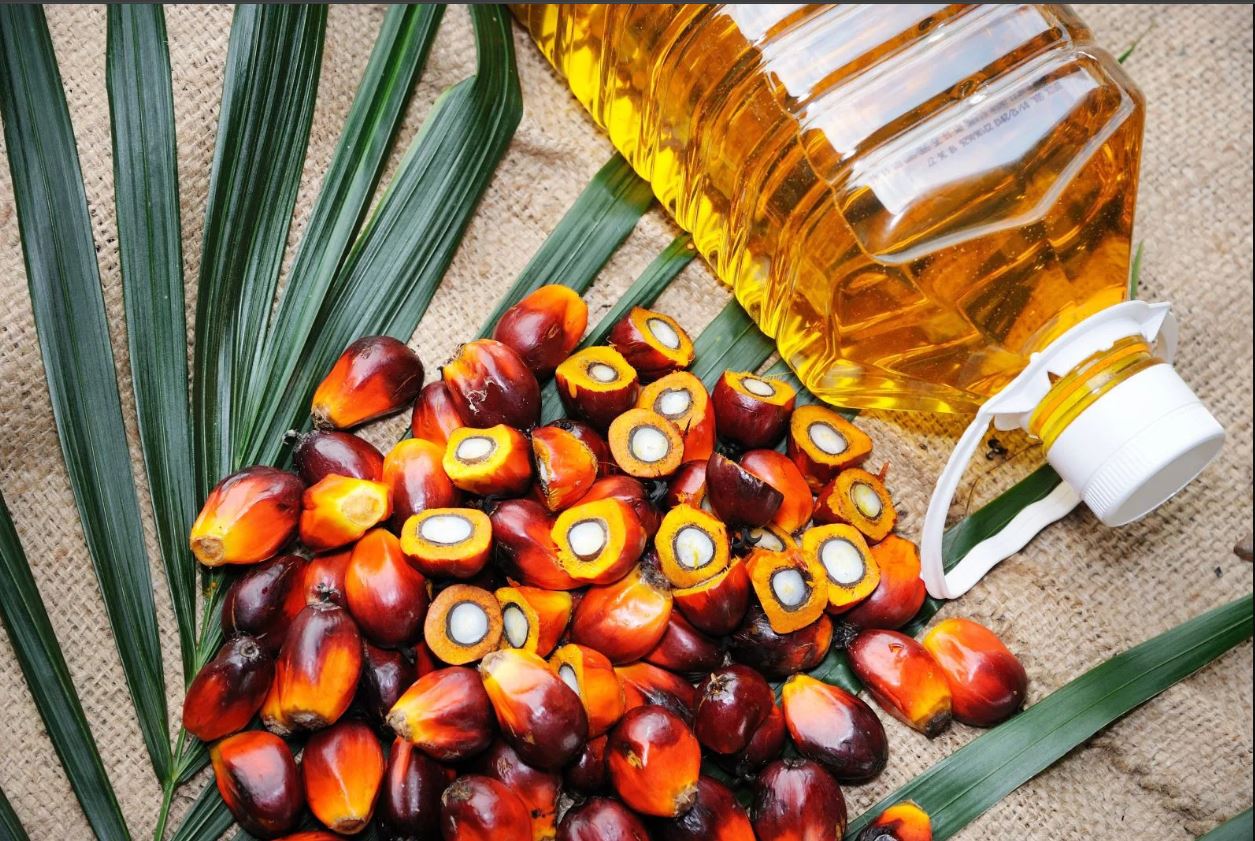
Kenya is finalizing plans to establish a Sh13 billion ($100 million) palm oil processing plant at Witu Nyangoro Ranch in Lamu County, a major agricultural investment expected to create about 3,000 jobs and strengthen domestic production. The proposed facility is part of Government efforts to expand agro-processing, reduce reliance on imported palm oil products and create new opportunities for farmers and businesses across the value chain.
The significance of the investment extends well beyond the construction of a processing facility. At its core, the project presents an opportunity to connect farming with manufacturing by creating a market for locally produced palm oil and establishing infrastructure capable of converting agricultural output into higher-value products. That connection is essential to a more productive agricultural economy because it allows farmers to participate in industrial value chains while creating demand for transport, storage, equipment, logistics, packaging, maintenance and other services. If successfully implemented, the Lamu project could therefore generate economic activity across several layers of the local economy rather than concentrating its benefits within the processing plant itself.
The proposed investment also comes against the backdrop of Kenya’s substantial dependence on imported palm oil products. According to the Agriculture and Food Authority, the country imported about 829,000 tonnes of oil palm products in 2024 at a value of roughly Sh115 billion. The figure illustrates the size of the domestic market and the economic opportunity available to local producers and processors. While the proposed Lamu plant alone would not replace the country’s entire import requirement, increasing domestic production and processing capacity could allow Kenya to progressively reduce its reliance on foreign supplies and retain a greater share of the value generated by the industry within the local economy.
That opportunity gives the Lamu investment a strategic importance that goes beyond the agricultural sector. Palm oil is used across food processing, cooking oil production, manufacturing and consumer goods, meaning a stronger domestic supply chain could have implications for businesses well beyond the farm. Greater local production could create new commercial relationships between farmers and manufacturers while providing opportunities for entrepreneurs involved in aggregation, transportation, storage and distribution. Over time, the development of such a value chain could help build a more integrated domestic industry in which agricultural production feeds directly into processing and manufacturing.
For Lamu County, the project could provide a powerful new foundation for rural industrialization. Agricultural economies are transformed most effectively when farmers have access to reliable markets and when processing facilities are located close enough to production areas to support commercial expansion. The proposed development at Witu Nyangoro Ranch could help create precisely that connection. Increased agricultural activity would generate demand for farm inputs and services, while processing would create additional requirements for logistics, warehousing, equipment, maintenance and other commercial services. As these activities grow, surrounding communities could benefit from stronger local markets and increased household incomes.
The projected creation of about 3,000 jobs gives the investment an equally important social dimension. Employment opportunities associated with farming, processing, transport and supporting businesses could provide new income sources for households while stimulating demand for goods and services in nearby communities. The benefits could extend particularly to young people if the emerging value chain creates opportunities for technical training, equipment operation, agricultural services, logistics and other areas requiring specialized skills. The development of these capabilities could leave Lamu with a stronger workforce and a broader economic base capable of supporting further investment.
The project could also encourage a shift in the way local agriculture is organized by creating a clearer commercial relationship between producers and industrial processors. Farmers are more likely to invest in a crop when they can see a viable market for their output, while processors require dependable supplies to operate efficiently. A successful palm oil value chain would therefore depend on establishing productive links between agricultural production and processing capacity. The anticipated development of the Lamu project creates an opportunity to build those links and encourage greater participation by local farmers in a structured agricultural market.
This is particularly important for Kenya’s broader agricultural transformation agenda. The country cannot fully capture the economic potential of agriculture if large volumes of raw materials are produced without sufficient domestic processing capacity or if domestic consumers and manufacturers remain dependent on imported finished and semi-processed products. Agro-processing provides the bridge between agriculture and industry by allowing the country to capture more value from its own productive resources. The proposed Lamu facility could become part of that transition by helping move palm oil from being predominantly an import-dependent commodity towards a stronger domestic production and processing industry.
The investment also carries potential benefits for Kenya’s economic resilience. Dependence on imported commodities exposes the country to international price movements, supply disruptions and changes in global market conditions. Developing domestic production does not eliminate these risks, nor would the Lamu project by itself satisfy national demand, but expanding local capacity would give Kenya a stronger base from which to manage external pressures. A more diversified supply system could improve resilience while providing farmers and businesses with new opportunities to participate in a growing domestic market.
For the Government, the project reflects the wider objective of using investment to generate productive activity at the grassroots level. The Bottom-Up Economic Transformation Agenda places strong emphasis on expanding opportunities in agriculture, strengthening value chains and creating income-generating activities that can reach households and small businesses. A major agro-processing investment in Lamu fits within this approach by potentially linking capital investment to farmers, workers, entrepreneurs and service providers. Its ultimate value will depend on how effectively these connections are established and whether local communities are able to participate meaningfully in the resulting economic opportunities.
The proposed project could also contribute to Lamu’s emergence as a broader agricultural and investment hub. The county’s strategic location and growing interest from large-scale investors provide an opportunity to develop complementary economic activities around agriculture, processing, logistics and related services. A successful palm oil industry could create additional incentives for investment in infrastructure and commercial services, strengthening the foundations required for sustained economic growth. However, these wider benefits will depend on the successful completion of investment arrangements, detailed planning, approvals and eventual implementation of the project.
The involvement of Witu Nyongoro Ranch and CPF Group in advancing the agricultural investment also highlights the importance of partnerships in unlocking the productive potential of land and agricultural resources. Large-scale agricultural projects require coordination between investors, landowners, farmers, government agencies and local communities. Ensuring that these stakeholders have clear and productive roles will be essential to building an industry capable of delivering lasting benefits. The success of the project should ultimately be measured not only by the completion of the plant, but also by the strength of the agricultural value chain that develops around it.
The planned Sh13 billion ($100 million) investment therefore arrives at an important moment in Kenya’s economic transformation. Its proposed scale, employment potential and focus on domestic processing make it more than an isolated agricultural development. It represents an opportunity to build productive capacity in a sector where Kenya currently spends substantial resources on imports, while creating new avenues for farmers and businesses to participate in value addition.
For Lamu, the proposed plant offers the prospect of turning agricultural potential into a stronger engine of employment, enterprise and industrial activity. For Kenya, it presents another opportunity to demonstrate that agricultural transformation is not simply about producing more crops, but about building complete value chains that connect farmers to factories, markets and consumers. By expanding local production, strengthening processing capacity and creating opportunities for communities, the Lamu palm oil investment could become an important step towards a more diversified, productive and economically self-reliant Kenya.