The Supreme Council of Kenya Muslims (SUPKEM) has thrown its weight behind President William Ruto’s call for a national conversation on Kenya’s development agenda beyond 2030, urging Muslims and all Kenyans to actively participate in shaping the country’s long-term future. The organisation says the initiative presents an opportunity to develop a national blueprint capable of guiding Kenya’s transformation beyond short-term political and electoral cycles.
President William Ruto last week called for a broad national conversation involving citizens, professional bodies, religious organisations, the private sector and other organised groups to help formulate a development framework that will succeed Vision 2030. The initiative seeks to answer a fundamental question: what kind of country should Kenya become and what legacy should the current generation leave for future generations?
Vision 2030, launched in 2008, was designed to transform Kenya into a newly industrialising, middle-income country with a high quality of life for its citizens in a clean and secure environment. It was anchored on economic, social and political pillars, supported by investments in infrastructure, macroeconomic stability and human capital. The proposed Beyond 2030 framework is therefore being presented as a continuation and expansion of the country’s long-term development ambitions rather than an abandonment of the progress made under Vision 2030.
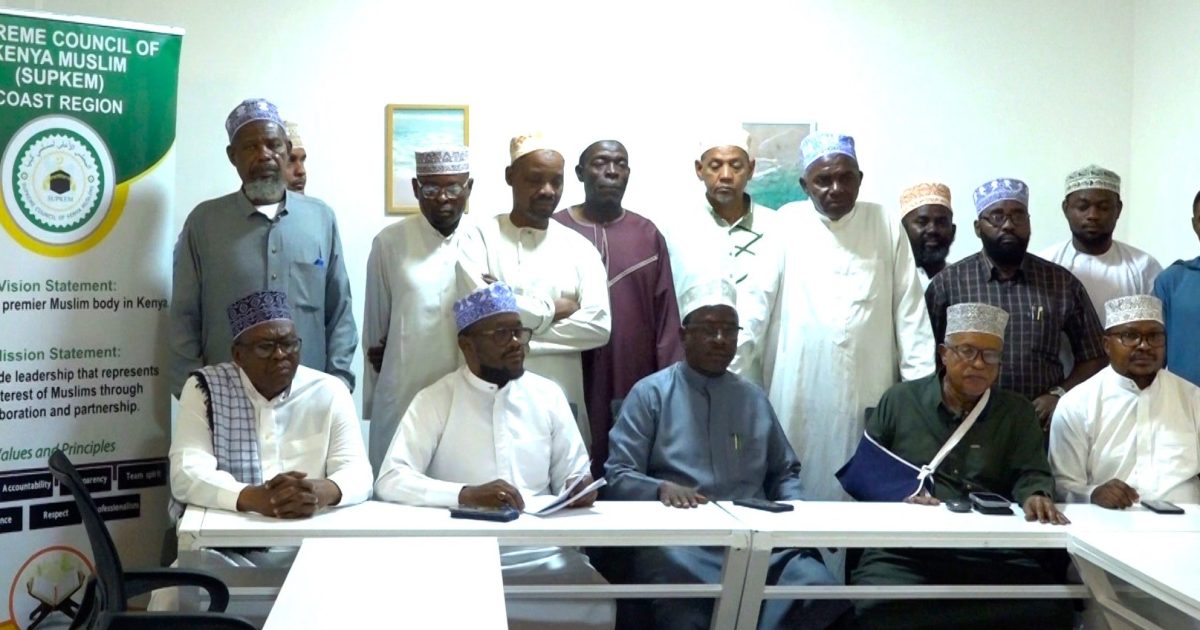
SUPKEM National Chairman Hassan Ole Naado said the Muslim umbrella organisation fully supports the Beyond 2030 initiative and will participate in the national dialogue both through individuals and organised groups. He said Kenya requires a development strategy that transcends changes in government and political competition, arguing that transformative national projects and policies should be protected from the disruptions associated with electoral cycles.
Ole Naado also dismissed attempts by opposition leaders to ridicule or undermine the Beyond 2030 initiative, saying such criticism reflects political populism rather than a credible alternative agenda for the country’s future. He urged political leaders to rise above partisan interests and contribute constructive ideas, warning that reducing a long-term development conversation to electoral politics could deny Kenya an important opportunity to build consensus around its future.
According to the SUPKEM chairman, Kenya can achieve significant political and socio-economic transformation within a generation if a coherent long-term strategy is consistently implemented. He identified economic stabilisation, sustainable infrastructure, human capital development and strong institutions as essential components of such a framework, stressing that government, businesses, communities and other stakeholders must work together to deliver resilient and inclusive growth.
Ole Naado said the Beyond 2030 initiative also provides an opportunity to address historical inequalities affecting Muslim communities and other marginalised populations. He said Muslims would use the national conversation to push for fairness in the distribution of state resources, balanced regional development and greater inclusion in national economic and political opportunities. He argued that a genuinely national development plan must ensure that no region or community is left behind.
Speaking in Mombasa, Ole Naado warned political actors against turning the initiative into another arena for partisan confrontation. He said the Beyond 2030 agenda should be viewed as a national project designed to carry Kenya forward after 2030, preserve successful development programmes and correct existing shortcomings. SUPKEM’s endorsement signals growing support from religious and community institutions for a long-term development vision that puts national interests, intergenerational equity and inclusive economic transformation ahead of political populism and electoral competition.