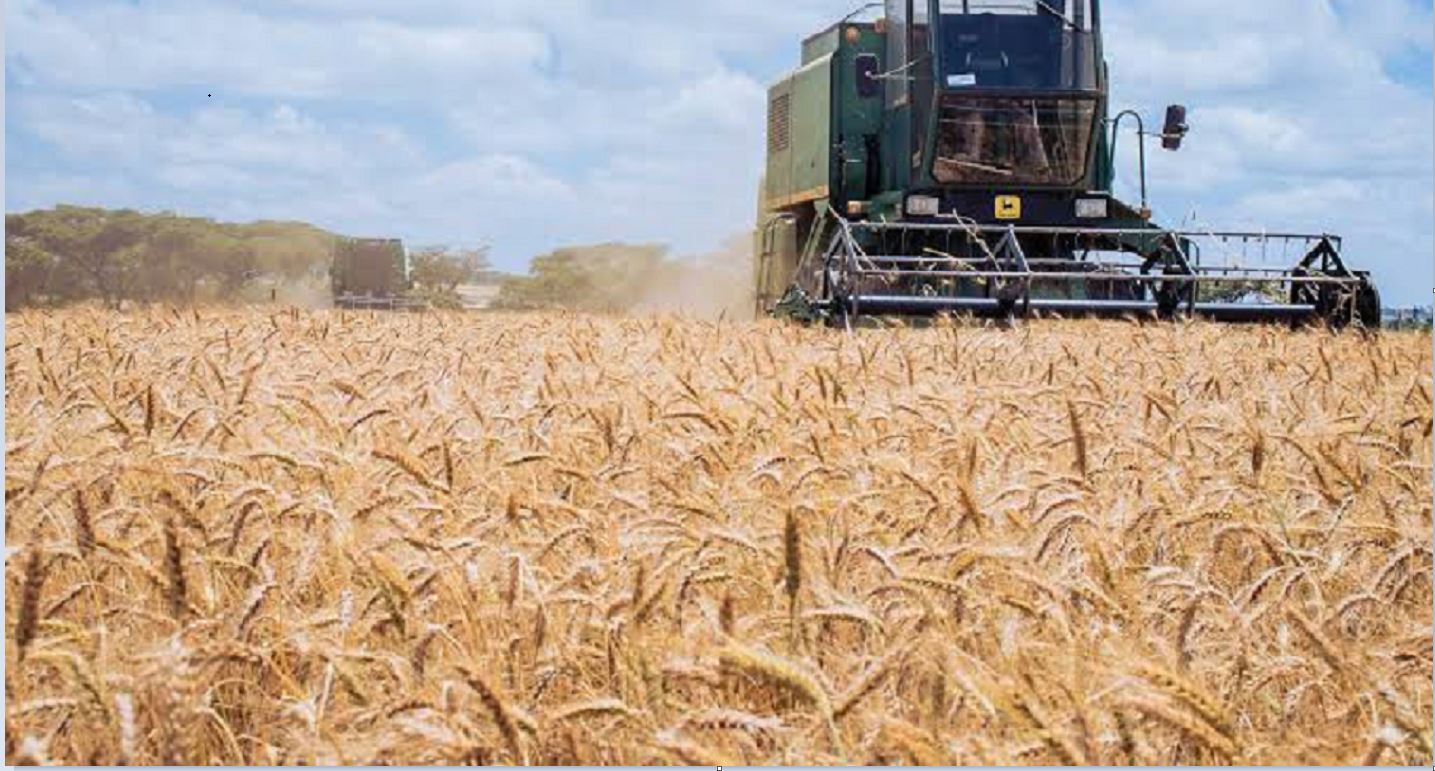
The Government has raised the producer price of locally grown wheat to KSh 5,100 per 90-kilogram bag for the 2026 season, up from KSh 4,750 last year, in a move aimed at improving returns to farmers, strengthening domestic production and supporting national food security. The new price follows consultations coordinated by the Agriculture and Food Authority involving wheat farmers, the Cereal Growers Association and cereal millers, with the Government also commencing a wheat mop-up exercise at designated aggregation centers before any imports are considered.
The decision places improved farmer incomes at the center of efforts to strengthen Kenya’s wheat industry at a time when producers face rising production costs, unpredictable weather and changing market conditions. By offering a higher producer price and creating a more organized route to market, the Government is seeking to give farmers greater confidence to continue investing in wheat while encouraging more efficient and commercially oriented production. The approach also recognizes that strengthening food security requires more than ensuring adequate supplies for consumers. It requires creating conditions under which farmers can produce food crops sustainably and earn returns that justify continued investment in agriculture.
The revised price is particularly significant for more than 2,000 wheat farmers expected to benefit across major producing counties including Narok, Nakuru, Meru, Laikipia, Nyandarua and Uasin Gishu. Higher earnings can strengthen household purchasing power in rural areas while supporting a wider network of economic activity involving agricultural input suppliers, machinery operators, transporters, aggregators, traders and millers. In this respect, the wheat intervention extends beyond the farm gate, with stronger agricultural incomes capable of generating demand for goods and services and contributing to the broader economic activity that the Government’s Bottom-Up Economic Transformation Agenda seeks to promote.
The Government’s decision to prioritize locally produced wheat through the mop-up exercise is equally important because market access is a critical part of agricultural profitability. Farmers are more likely to invest in improved seed, fertilizer, mechanization, irrigation and better production practices when they have greater confidence that their harvest will find a market. By organizing the purchase of locally produced wheat before imports are considered, the Government can provide a clearer market signal to producers while helping ensure that imported grain does not unnecessarily weaken demand for domestic production during the harvesting period
The policy also reflects the importance of coordination across the wheat value chain. Farmers need prices that make production commercially viable, millers require reliable supplies at sustainable costs and consumers need affordable wheat products. The consultations between Government agencies, farmers and millers provide a framework for balancing these interests while protecting the long-term health of the sector. Such engagement is increasingly important as Kenya seeks to move away from fragmented agricultural interventions towards a more integrated model in which production, markets, processing and food security are considered together.
For Kenya, strengthening domestic wheat production has implications well beyond the incomes of individual farmers. Wheat is an important component of the national food system and a key raw material for the milling and food processing industries. A stronger local supply base can help reduce the country’s exposure to international price movements, global supply disruptions and other external pressures, even as strategic imports remain necessary when domestic production cannot meet national demand. The objective is therefore to build greater domestic resilience while maintaining sufficient flexibility to secure supplies for consumers and industry.
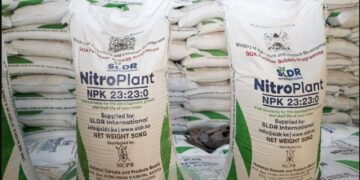
The higher producer price also forms part of a wider effort to improve the productivity and competitiveness of Kenyan agriculture. Support for crop-specific fertilizer programmes, high-yielding and climate-resilient varieties, mechanization, quelea control, land commercialization and climate-smart agriculture can complement better market returns by lowering production constraints and helping farmers produce more efficiently. Together, these measures can strengthen the foundations of a wheat industry capable of responding to population growth, changing consumption patterns and increasingly unpredictable global and climatic conditions.
The significance of the new price will ultimately depend on implementation. If the mop-up exercise provides farmers with timely and transparent access to the agreed market, it can strengthen confidence in Government agricultural programmes and reinforce the case for commercial wheat farming. A functioning market, combined with productivity support, can encourage farmers to make longer-term investments while giving private businesses greater confidence to invest in storage, transport, aggregation, processing and agricultural services.
The KSh 5,100 producer price should therefore be viewed as part of a broader agricultural transformation strategy rather than an isolated price adjustment. By improving incentives for farmers, strengthening domestic supply and coordinating the interests of producers, processors and consumers, the Government is seeking to make wheat production more commercially sustainable while building a more resilient food system. The measure reinforces the wider objective of making agriculture a reliable source of household income, rural economic activity and national food security, while positioning farmers as central participants in Kenya’s economic transformation.