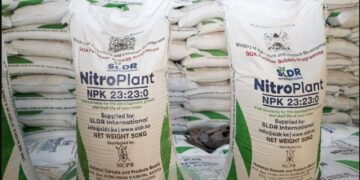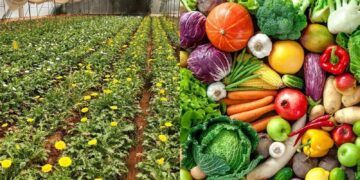
President William Ruto has announced a series of interventions aimed at cushioning farmers from the effects of below-average rainfall, including reducing the cost of fertiliser and certified seeds ahead of the expected September and October planting season. The measures are intended to support food production, protect farmers from climate-related losses, and strengthen Kenya’s national food security following poor harvests in key agricultural regions.
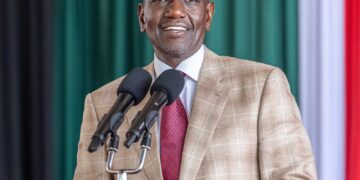
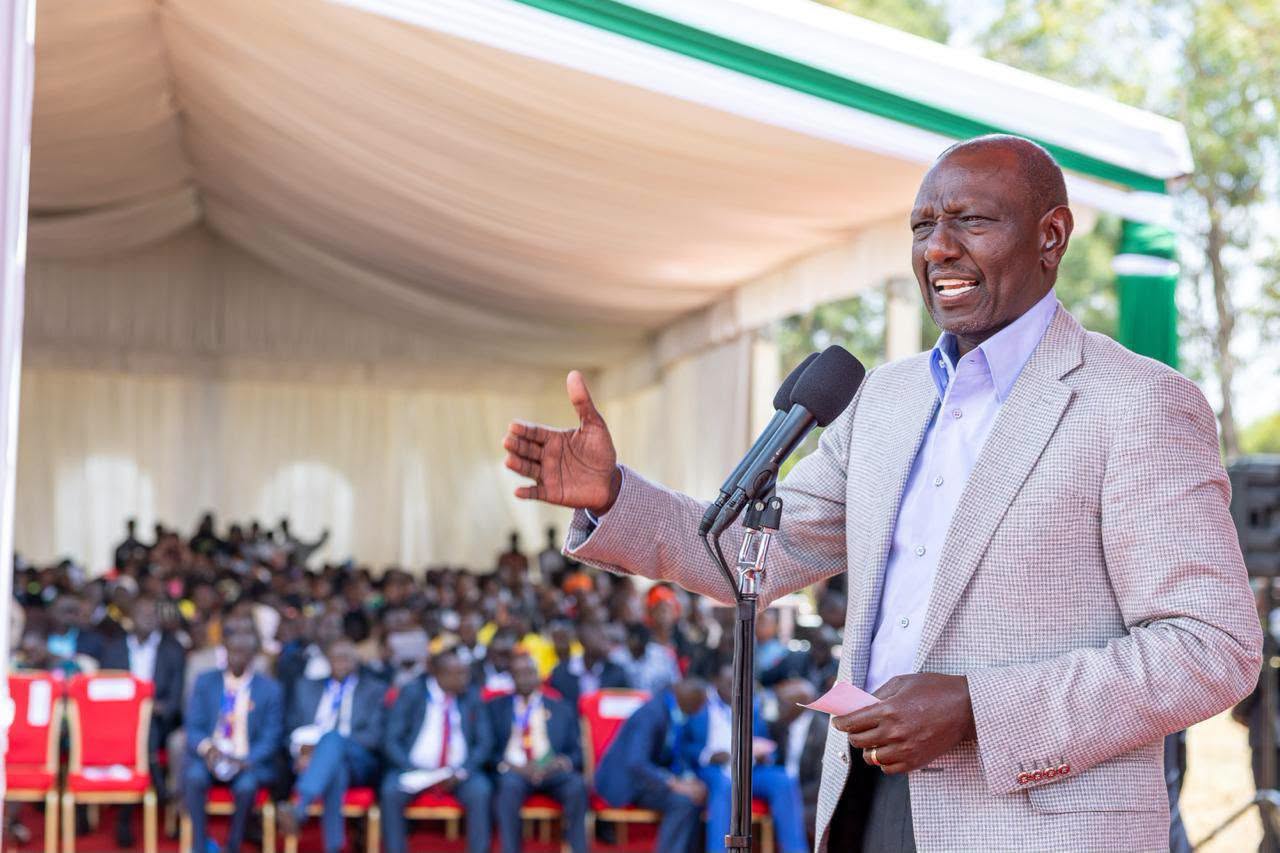
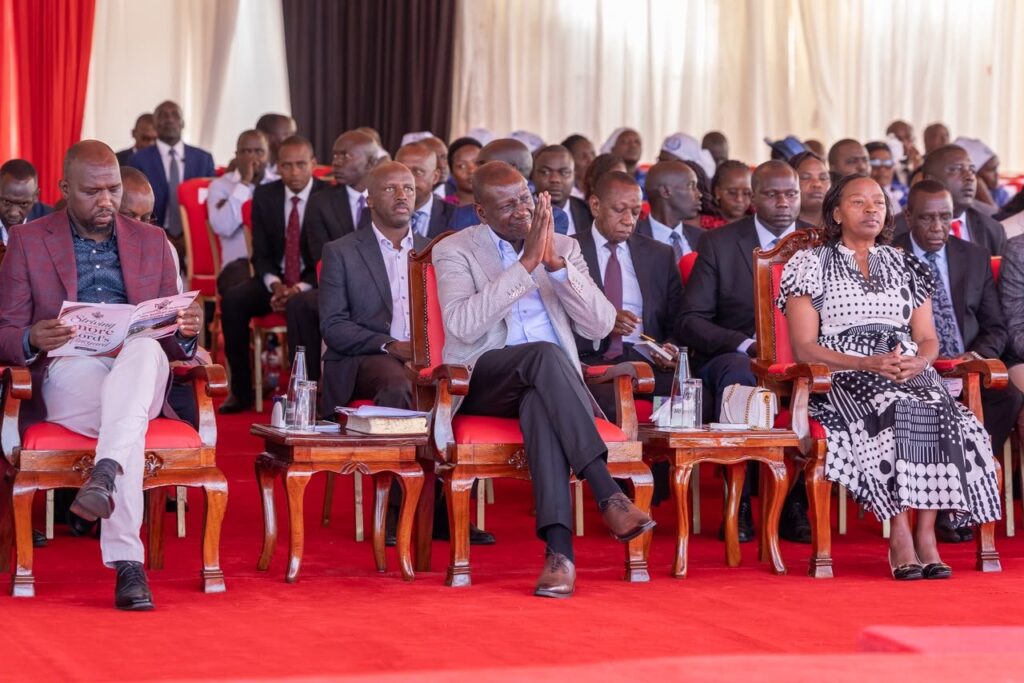
Speaking during a Sunday service at the Anglican Church of Kenya (ACK) St. Stephen’s Chepkoilel in Moiben Constituency, Uasin Gishu County, President Ruto assured farmers that the Government was taking decisive action to mitigate the impact of reduced rainfall. He said lowering input costs would enable more farmers to plant during the upcoming rainy season and help stabilize food supplies despite the recent decline in crop production.
The President acknowledged that the below-normal rains had significantly affected the country’s food basket, threatening agricultural productivity and livelihoods. He emphasized that the Government remains committed to supporting affected farmers through targeted interventions, including affordable farm inputs, to ensure Kenya maintains adequate food reserves and avoids severe food shortages.
As part of a long-term strategy to address recurring drought and build climate resilience, President Ruto said the Government would invest heavily in water harvesting and irrigation infrastructure through the recently established National Infrastructure Fund. The programme includes the construction of 50 mega dams, 200 medium-sized dams, and 1,000 micro dams to increase water storage and expand irrigation farming, particularly in arid and semi-arid regions where rainfall is often unreliable.
The President also used the occasion to explain the rationale behind the proposed National Development Charter, describing it as a roadmap for Kenya’s next phase of economic transformation beyond Vision 2030. He called on all Kenyans and leaders across the political divide to participate in a national dialogue that will shape a new long-term development blueprint aligned with the 2010 Constitution and guide the country toward first-world economic status.
President Ruto noted that while Vision 2030 had provided an important development framework, it was formulated before the promulgation of the Constitution of Kenya 2010. He argued that the country must now operationalize the Constitution’s development aspirations through an inclusive planning process that allows citizens to contribute ideas on Kenya’s future economic and social priorities.
Highlighting ongoing development initiatives, the President said his administration is implementing affordable housing projects, constructing modern markets, and building hostels for college and university students under a KSh1.2 trillion national programme. In Uasin Gishu County alone, he noted that KSh35 billion has been invested in these projects, including accommodation for approximately 9,000 students. He further revealed that more than 800,000 young people, entrepreneurs, and artisans have already benefited from the NYOTA programme, which the Government plans to expand to reach even more youth.
Interior Cabinet Secretary Kipchumba Murkomen reaffirmed the Government’s commitment to strengthening national security through continued investment in modern security equipment, while cautioning leaders against politicizing security institutions. Uasin Gishu Governor Jonathan Bii Chelilim and Elgeyo-Marakwet Governor Wesley Rotich praised the affordable housing programme for creating employment opportunities and stimulating local economies. Leaders attending the service also emphasized the importance of peaceful political competition, urging all political actors to reject ethnic incitement and safeguard national unity as the country approaches the next General Election.