Kenya has banned local sugar milling companies from importing sugar after the Government confirmed that domestic production has risen enough to meet the country’s demand, marking a major milestone in the revival of the sugar industry and a significant boost for local farmers, food security and agricultural self-sufficiency.
The announcement by Principal Secretary for Agriculture Dr. Kipronoh Ronoh marks one of the clearest indicators yet that sustained government reforms are restoring confidence in one of Kenya’s most strategic agricultural industries. Coming after years of restructuring, policy interventions, factory revival and increased farmer support, the decision reflects the emergence of a stronger and more competitive sugar sector capable of driving food security, rural industrialization and economic growth under the Bottom-Up Economic Transformation Agenda.
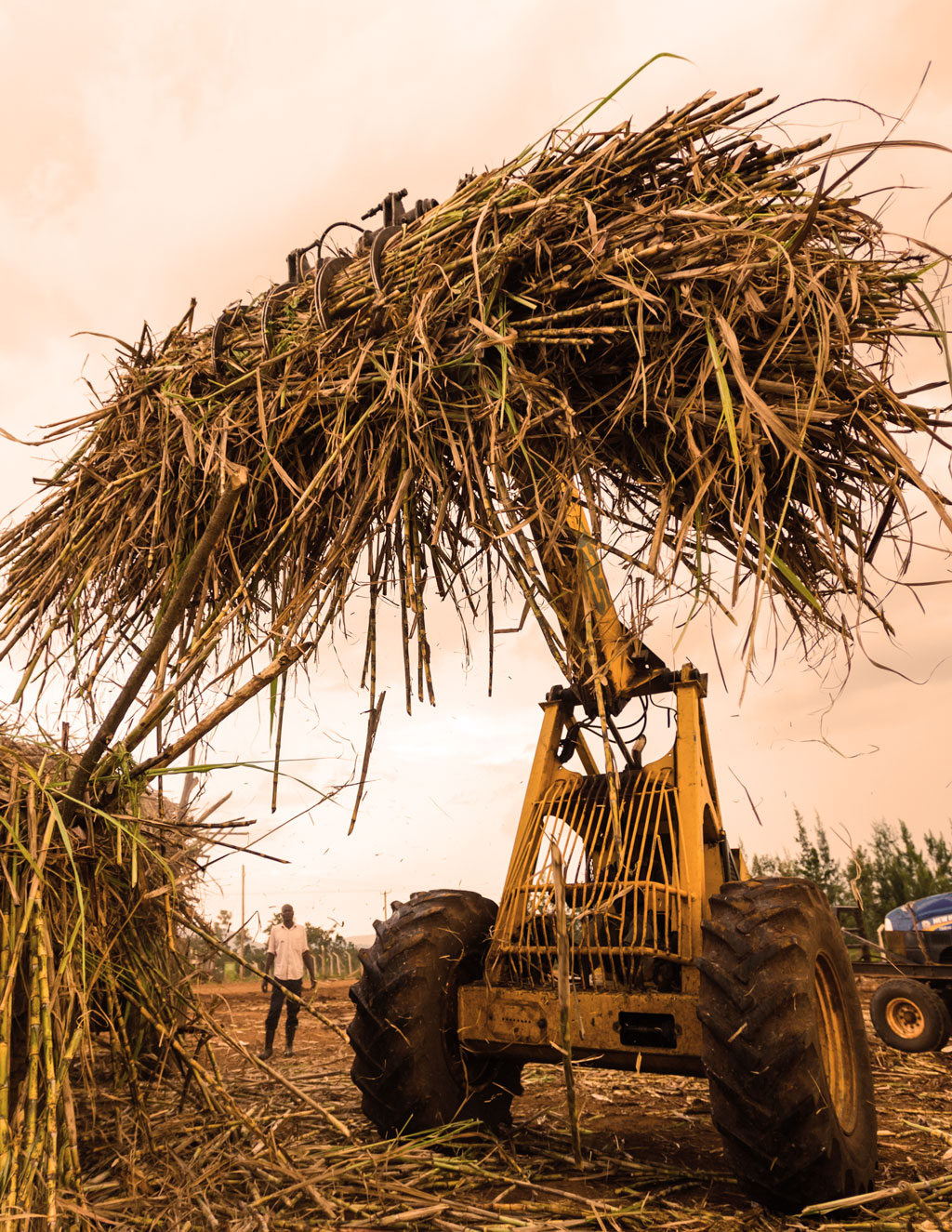
The import embargo represents a significant shift in Kenya’s agricultural landscape. For decades, imported sugar filled production gaps created by declining local output, ageing factories and weak farmer incentives. The latest production figures now point to a remarkable turnaround, with monthly sugar production increasing from about 40,000 metric tonnes to more than 80,000 metric tonnes, demonstrating the growing capacity of local farmers and millers to meet national demand.
The Government views the milestone as evidence that reforms across the sugar value chain are beginning to deliver measurable results. By directing local millers to prioritize Kenyan-grown sugarcane instead of imported sugar, the policy strengthens the domestic market, guarantees greater demand for locally produced cane and ensures that farmers become the primary beneficiaries of the industry’s recovery.
The decision is expected to improve incomes for thousands of sugarcane farmers across Western Kenya, Nyanza, the Coast and other sugar-producing regions. A more predictable market encourages growers to expand acreage, invest in better farming practices and increase productivity, creating a positive cycle of higher production and improved household earnings.
Equally important is the Government’s insistence on enforcing existing laws requiring millers to pay farmers within five days of cane delivery. Prompt payments restore confidence among growers, improve cash flow within farming communities and encourage continuous investment in sugarcane production, addressing one of the longstanding challenges that previously discouraged expansion of the sector.
The embargo also reinforces the broader modernization of Kenya’s sugar industry. Over the past year, the Government has undertaken wide-ranging reforms that include restructuring public sugar factories through private investment, clearing historical liabilities, strengthening sector governance and supporting the revival of dormant milling capacity. These initiatives are laying the foundation for a commercially viable industry capable of competing effectively while creating sustainable returns for farmers and investors alike.
The ongoing efforts to revive facilities such as the Kwale International Sugar Company further demonstrate the Government’s commitment to expanding national milling capacity, resolving historical operational challenges and unlocking new opportunities in sugar processing, ethanol production, electricity generation from bagasse and other value-added industries.
Reducing dependence on imported sugar also strengthens Kenya’s economic resilience. Producing more sugar locally conserves valuable foreign exchange, lowers exposure to disruptions in international supply chains and reduces vulnerability to fluctuations in global commodity prices. A stronger domestic industry therefore contributes directly to national food security while supporting broader macroeconomic stability.
The growing strength of the sugar sector is expected to stimulate investment across the entire agricultural value chain. Increased confidence is likely to attract greater private sector participation in factory modernization, irrigation development, mechanization, improved seed varieties, agricultural research and extension services. Such investments will help raise productivity, lower production costs and improve the competitiveness of Kenyan sugar in regional markets.
Beyond farming, the industry’s expansion carries substantial employment benefits. Rising sugar production supports thousands of jobs in transportation, harvesting, machinery services, factory operations, logistics, packaging, warehousing, engineering and agro-processing. These linkages strengthen rural economies by creating new business opportunities for suppliers, contractors, financial institutions and small enterprises serving sugar-growing communities.
The Government is also encouraging farmers to embrace climate-smart agriculture, mechanization and modern farming technologies to improve yields while enhancing resilience against changing weather patterns. Greater adoption of innovation, combined with strengthened agricultural training, will enable producers to sustain higher output while improving efficiency across the value chain.
The launch of the Kenya School of Agriculture’s tenth campus in Kisumu County complements these efforts by expanding access to practical agricultural training, research and innovation. Enhanced technical skills for farmers, extension officers and young agripreneurs will accelerate the modernization of Kenya’s agricultural sector while supporting long-term productivity growth.
Strong collaboration between the National Government and county governments continues to play an important role in implementing these reforms. Joint investments in agricultural education, farmer support services, infrastructure and institutional capacity are creating an enabling environment for sustainable sector growth while strengthening local production systems.
The sugar import embargo therefore extends beyond a trade measure. It represents a strategic policy designed to secure markets for Kenyan farmers, stimulate industrial expansion, encourage value addition and reinforce confidence in locally produced agricultural commodities. It also aligns with the Government’s wider agenda of reducing the national import bill, promoting manufacturing and increasing the contribution of agriculture to economic transformation.
As production continues to expand, Kenya is positioning itself to build a more resilient and diversified agricultural economy capable of supplying domestic markets while strengthening its competitiveness across the East African region. Continued investment in infrastructure, innovation, mechanization and farmer empowerment will be essential in sustaining the momentum already achieved.
The decision to halt sugar imports by local milling companies marks a transformative chapter in Kenya’s agricultural journey. It reflects the success of deliberate Government reforms to revive the sugar industry, protect farmers, strengthen food security and stimulate industrial growth. With local production now capable of meeting domestic demand, the country has taken a major step toward greater agricultural self-reliance, stronger rural prosperity and a more resilient economy anchored on productive local industries.