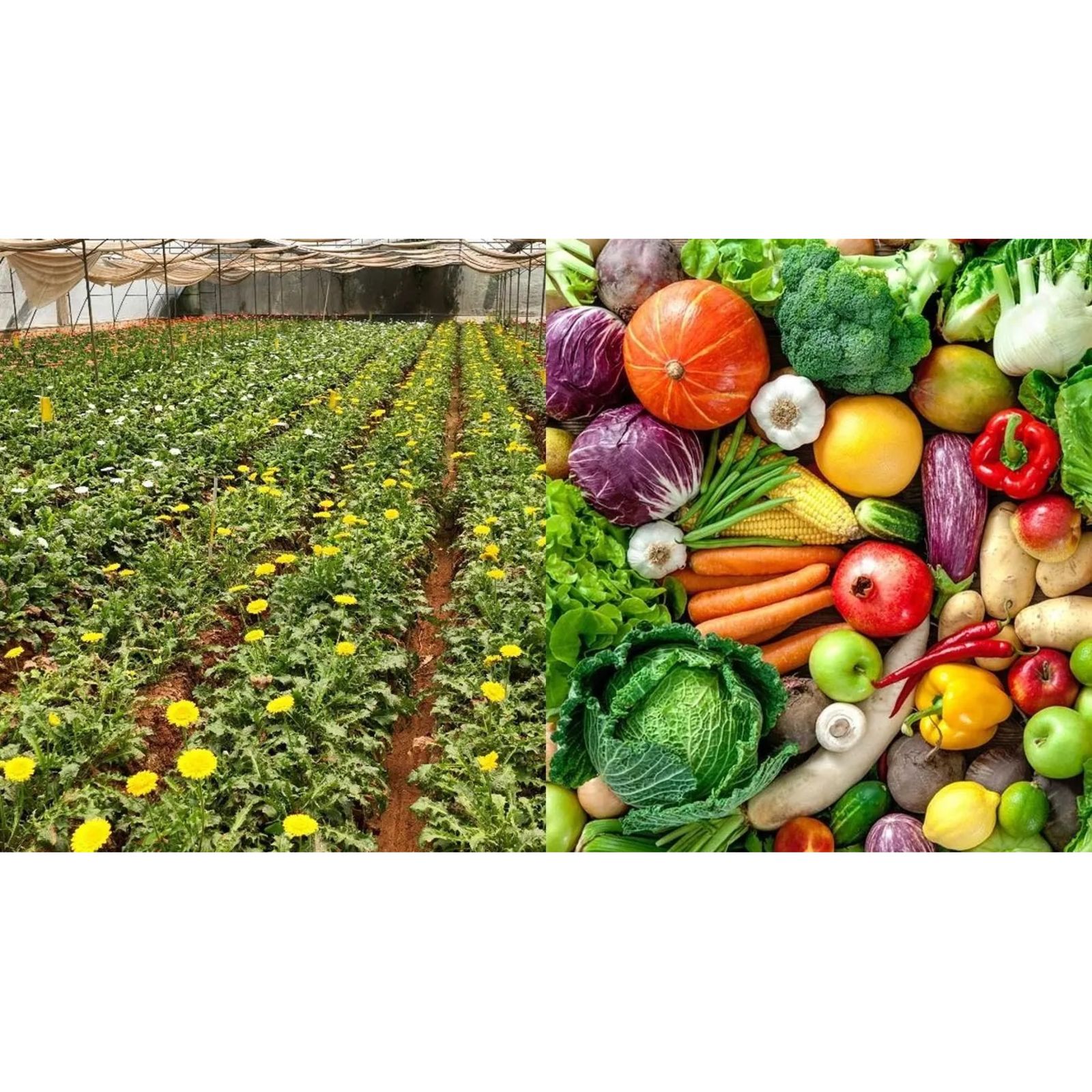
East Africa’s horticulture industry is set to gain a unified regional platform in Nairobi next week with the launch of the Horticulture Council of Eastern Africa (HoCEA), as producers, exporters and governments seek to tackle costly trade and logistics bottlenecks affecting the movement of fresh produce to markets.
The private-sector-led council will be formally launched during a two-day Regional Public-Private Dialogue on Horticultural Logistics and Trade Facilitation scheduled for September 22 and 23. The initiative brings together national horticulture associations across Eastern Africa and is intended to give the industry a stronger collective voice in engagements with governments and regional institutions on competitiveness, market access and trade facilitation.
The establishment of HoCEA comes at a time when the region’s horticulture industry is operating in an increasingly demanding commercial environment. Fresh produce requires efficient handling and predictable movement from farms to consumers, yet high freight costs, inadequate cold-chain infrastructure, weak first-mile aggregation systems, fragmented digital trade procedures and delays at ports and borders continue to add costs and uncertainty across the value chain.
For farmers and businesses dealing in perishable products, efficiency is directly linked to commercial value. Delays in collection, transportation, border clearance or certification can reduce the period available for produce to reach consumers in good condition. Better coordination of transport, storage, customs and certification processes could therefore help reduce avoidable losses while improving the reliability of supplies to domestic, regional and international markets.
HoCEA is expected to provide a mechanism through which national associations can address such challenges collectively rather than pursuing solutions in isolation. A regional platform can consolidate concerns affecting multiple countries, strengthen private-sector advocacy and create a structured channel for dialogue with policymakers and regional institutions. This could be particularly important where problems involve cross-border procedures, infrastructure or standards that cannot be resolved by one country or one industry association acting alone.
The Nairobi dialogue will focus on four areas central to the sector’s competitiveness: trade logistics and cold-chain systems, digital trade and smart corridors, sanitary and phytosanitary measures and non-tariff barriers, and market access under the African Continental Free Trade Area. Stakeholders will examine infrastructure, transport and cold-chain requirements while considering how digital systems can reduce transaction costs and make cross-border trade more predictable.
The discussions on sanitary and phytosanitary measures will also be important as East African producers respond to changing international market requirements. Strong standards remain essential for protecting consumers, plants and markets, but efficient and consistent certification processes can make it easier for compliant businesses to trade across borders. Greater regional coordination could help industry and governments identify areas where procedures can be made more predictable without compromising the standards required by importing markets.
The economic implications extend well beyond exporters. Horticulture supports rural livelihoods and creates demand across farming, aggregation, transport, storage, processing, packaging, logistics and trade. Improving the efficiency of this ecosystem could widen opportunities for smallholder farmers, women, young people and small and medium-sized enterprises while creating stronger incentives for investment in infrastructure and technology
Cold-chain development is particularly significant. Greater investment in refrigerated storage, transport and handling could strengthen the ability of businesses to preserve product quality from the farm gate through to market. Similar opportunities exist in first-mile logistics, processing, digital platforms and modern storage, where improvements could help businesses capture more value and reduce the costs associated with moving perishable goods.
Nairobi provides a fitting launch point for the regional initiative given Kenya’s established role in East Africa’s horticultural production, trade and logistics networks. More broadly, locating the council in the region’s principal commercial hub gives industry players a platform from which to engage businesses, policymakers, regional institutions and development partners on challenges that cut across national boundaries.
The Nairobi meeting is expected to move beyond identifying problems and examine practical interventions, investments and areas of cooperation. Its discussions are expected to contribute to a Nairobi Communiqué outlining priority actions, responsible institutions and proposed implementation timelines, while HoCEA will set out its immediate priorities and 90-day action plan.
The longer-term significance of the council will depend on its ability to turn regional coordination into practical improvements for businesses along the horticulture value chain. Stronger cooperation between industry and governments could help create a more predictable trading environment, improve the movement of fresh produce and strengthen the region’s capacity to compete in increasingly sophisticated markets.
For East Africa, a more integrated horticulture sector could also support export diversification, strengthen food systems and spread the benefits of agricultural investment more widely. By bringing national industry associations around a common platform, HoCEA provides an opportunity to align private-sector priorities and develop regional responses to challenges that increasingly require regional solutions.