The government’s plan to generate approximately KSh1.42 billion annually through newly introduced tea export and import levies marks a significant milestone in the ongoing transformation of Kenya’s tea industry. The initiative reflects a deliberate effort to establish a sustainable financing framework that will support long-term sector development, strengthen industry institutions, and safeguard the future of one of the country’s most valuable export commodities.
Under the Tea Levy Regulations, 2026, the Ministry of Agriculture projects that a 0.8 percent export levy will generate KSh1.38 billion annually, while an additional KSh40 million is expected from the tea import levy. The projected revenues are based on Kenya’s strong tea export performance, which continues to position the country among the world’s leading tea producers and exporters.
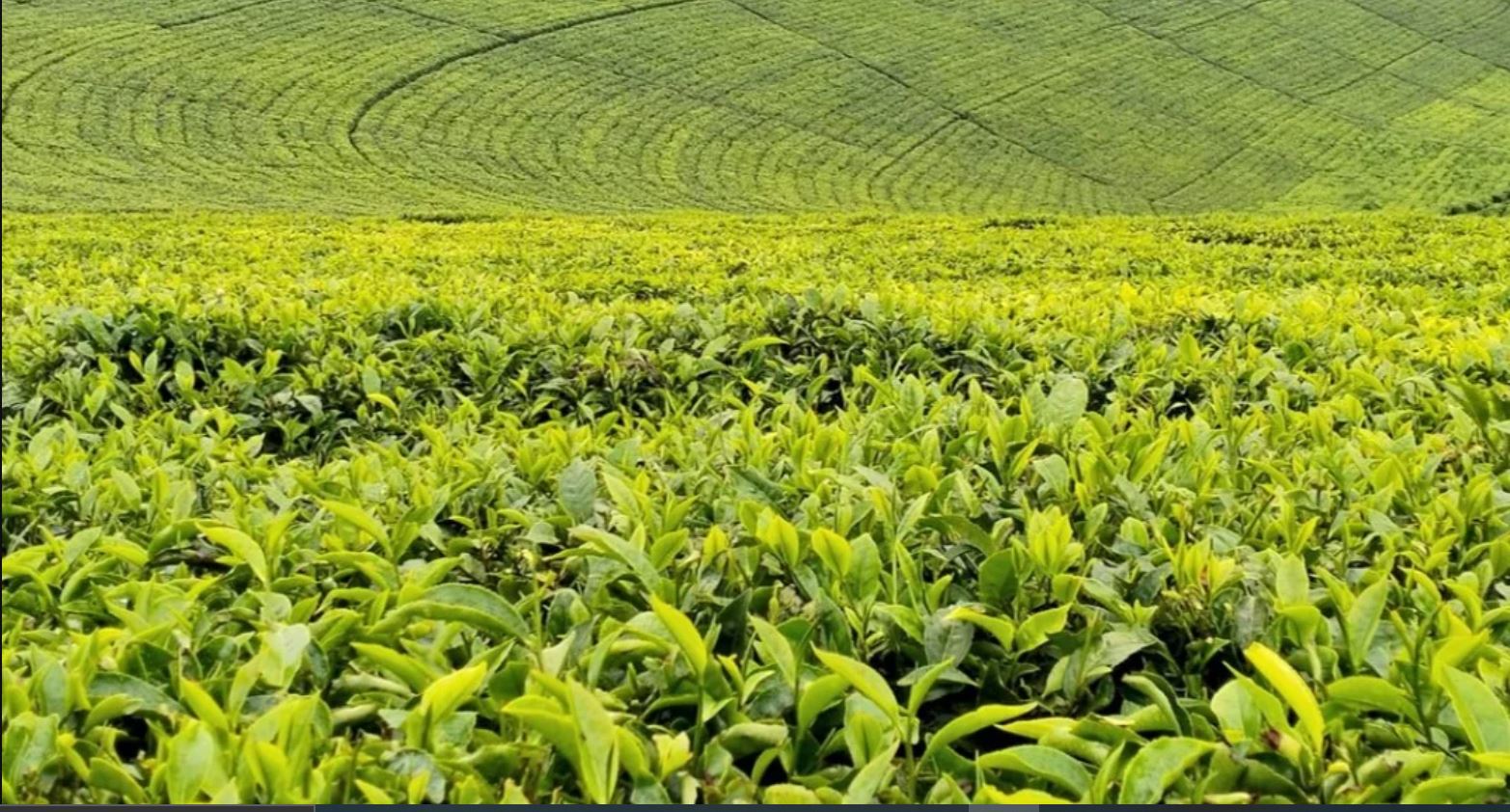
The introduction of the levy framework comes at a time when the tea sector remains a critical pillar of the national economy. Tea continues to generate substantial foreign exchange earnings, support millions of livelihoods directly and indirectly, create employment across the value chain, and contribute significantly to rural economic activity. Ensuring the industry’s sustainability is therefore not only an agricultural priority but also an important national economic objective.
he projected KSh1.42 billion annual revenue provides a dedicated source of funding that can be reinvested directly into strengthening the sector. This approach creates greater financial certainty for institutions responsible for research, regulation, market development, infrastructure support, and farmer welfare. By establishing a stable funding mechanism, the government is creating conditions that allow for more strategic and long-term planning across the tea value chain.
A major beneficiary of the new framework will be research and innovation. Increased investment in research is expected to accelerate the development of improved tea varieties, climate resilience measures, pest and disease management solutions, and productivity-enhancing technologies. These interventions are increasingly important as the industry adapts to changing weather patterns and evolving global market requirements.
The funding framework is also expected to strengthen extension services and farmer support programs. Better access to technical knowledge, improved farming practices, and modern production techniques can help raise yields, improve quality, and increase profitability for tea growers. Such interventions are particularly important for smallholder farmers who form the backbone of Kenya’s tea industry.
Another key objective of the levy is to strengthen market competitiveness. Enhanced funding for marketing and promotion initiatives can help Kenya consolidate its position in existing export destinations while exploring new markets. As global competition intensifies, sustained investment in branding, quality assurance, and market intelligence will play an increasingly important role in maintaining Kenya’s leadership in international tea trade.
The allocation of resources toward the Farmer Price Stabilization Fund represents an important safeguard for growers. Global commodity markets are often characterized by price volatility, which can affect farm incomes and investment decisions. A dedicated stabilization mechanism provides an additional layer of protection by helping cushion producers against severe market fluctuations and external shocks that may affect earnings.
The framework also creates opportunities for greater investment in value addition and product diversification. By encouraging the development of higher-value tea products, specialized blends, branded exports, and advanced processing capabilities, Kenya can capture a larger share of global tea value chains. This shift has the potential to increase returns across the sector while creating new employment opportunities in manufacturing, packaging, logistics, and marketing.
County governments are also expected to benefit through investments in infrastructure that support tea production and trade. Improved roads, storage facilities, collection systems, and processing infrastructure can enhance efficiency, reduce post-harvest losses, and strengthen connections between farmers and markets. Such improvements contribute directly to rural economic growth and community development.
Importantly, the levy structure has been designed to strengthen the industry’s long-term sustainability while protecting domestic producers from unfair competition. The framework supports efforts to maintain high quality standards and preserve the reputation of Kenyan tea in international markets. By reinforcing industry oversight and regulatory capacity, the government is helping ensure that Kenya’s tea sector remains competitive in an increasingly demanding global environment.
The reforms also align closely with the government’s broader agricultural transformation agenda. Agriculture remains central to Kenya’s economic development strategy, and strengthening high-performing export sectors such as tea is essential for boosting export earnings, expanding foreign exchange inflows, increasing government revenues, and promoting inclusive growth.
As global demand for quality agricultural products continues to evolve, strategic investments in modernization, innovation, and value addition will be critical to sustaining Kenya’s competitive advantage. The new tea levy framework provides an important financial foundation for these investments while creating opportunities to strengthen farmer incomes, improve sector resilience, and expand export potential.
The projected KSh1.42 billion in annual tea levy revenues therefore represents far more than an additional source of government income. It is a strategic investment in the future of Kenya’s tea industry, providing the resources needed to strengthen competitiveness, support farmers, drive modernization, and secure the long-term growth of a sector that remains vital to national economic development and export expansion.