Kenya is increasingly positioning itself at the forefront of Africa’s push for health sovereignty through major investments in local pharmaceutical and vaccine manufacturing. The government has identified domestic production of essential medicines and vaccines as a strategic priority aimed at reducing Africa’s dependence on imported health products. This renewed focus comes after the COVID-19 pandemic exposed the continent’s vulnerability to disrupted global supply chains and unequal access to life-saving vaccines and medical supplies.
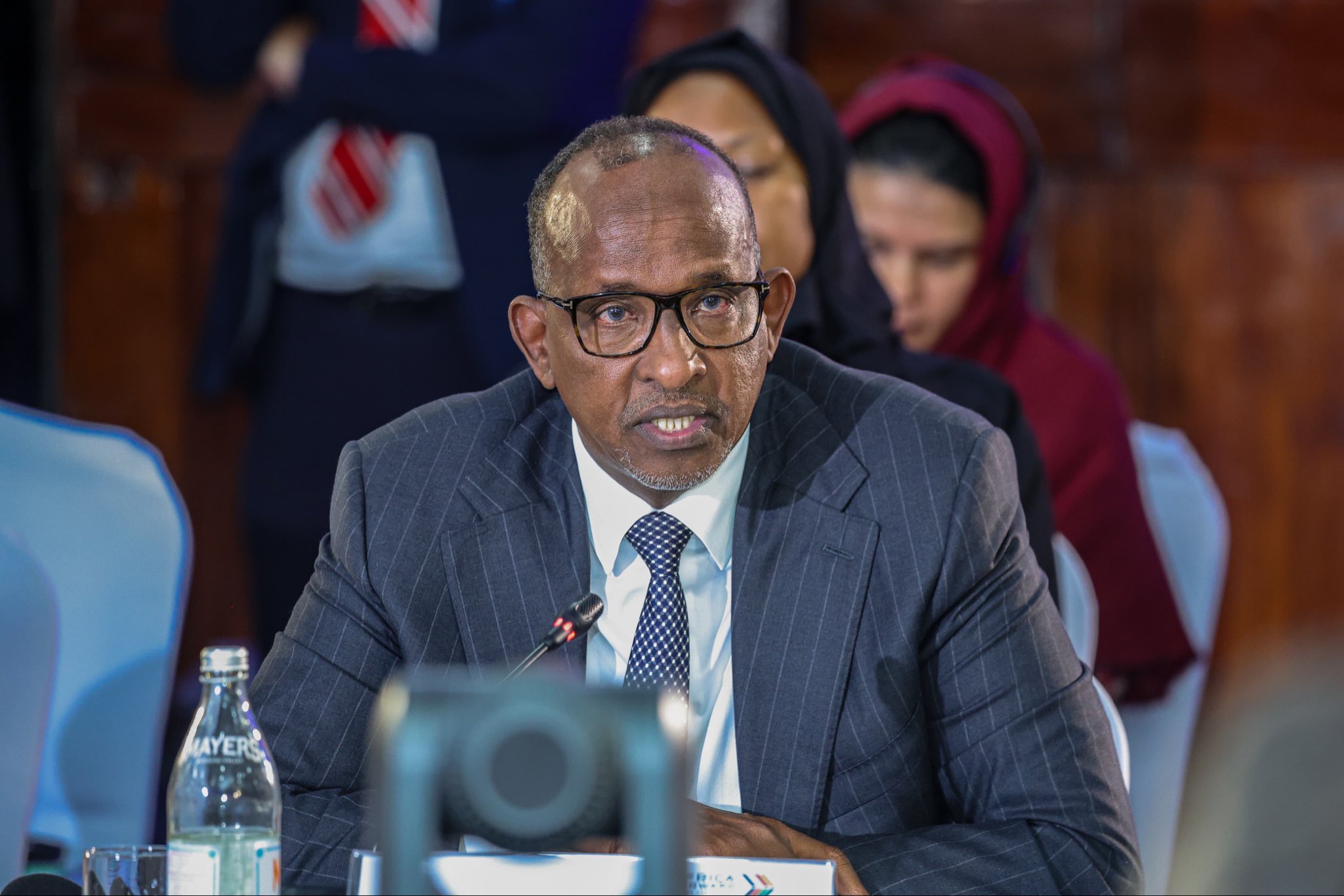
Speaking during the High-Level Ministerial Roundtable on Local Manufacturing at the Africa Forward Summit 2026, Aden Duale emphasized the urgent need for African countries to strengthen local production capacities. He noted that health security should no longer rely on external suppliers, warning that countries without domestic manufacturing capabilities remain highly exposed during global crises. His remarks reflected a growing continental consensus that Africa must take greater control of its healthcare systems and pharmaceutical supply chains.
The discussions at the summit focused on several key pillars necessary for achieving sustainable health sovereignty across Africa. These included increasing investment in pharmaceutical industries, accelerating technology transfer, harmonising regulatory frameworks, and expanding regional market access for African manufacturers. Policymakers and development partners also explored sustainable financing models that can support long-term growth in local manufacturing and reduce reliance on donor-driven health interventions.
Kenya’s efforts are already taking shape through major projects spearheaded by the Kenya BioVax Institute. Among the flagship initiatives is a USD 60.8 million fill-and-finish vaccine facility designed to produce up to 72 million doses annually. The facility represents a major step toward enabling Kenya to package and distribute vaccines locally while laying the foundation for broader pharmaceutical industrialisation. The government views this investment as critical in improving emergency preparedness and strengthening national health resilience.
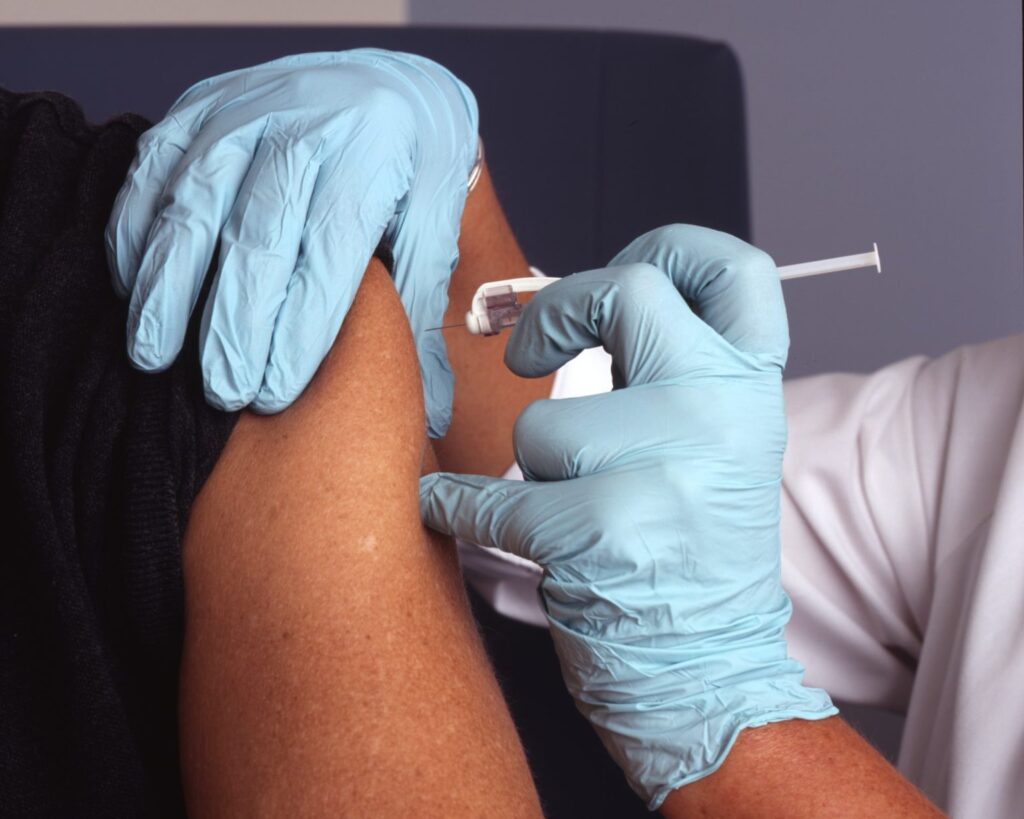
In addition, Kenya is developing a USD 248 million end-to-end vaccine manufacturing facility at Konza Technopolis. The project is expected to transform the country into a regional pharmaceutical hub capable of producing vaccines from start to finish. Beyond improving access to vaccines, the initiative is anticipated to create skilled jobs, stimulate scientific research, and attract global biotechnology partnerships. The investment further aligns with Kenya’s broader ambition to become a leading innovation and manufacturing centre in Africa.
The significance of these developments extends far beyond Kenya alone. Local vaccine production could dramatically reduce Africa’s dependence on imports, which currently account for the majority of vaccines and medicines used across the continent. During the COVID-19 pandemic, African nations faced severe delays in accessing vaccines as wealthier countries secured large supplies first. By strengthening domestic production, African countries can ensure faster responses to future outbreaks, improve affordability of essential medicines, and protect vulnerable populations during global emergencies.
Kenya is also pursuing stronger regulatory reforms to support the growth of its pharmaceutical sector. The government is working toward attaining the World Health Organization’s Global Benchmarking Tool Maturity Level 3, a key standard for regulatory effectiveness and quality assurance. At the same time, authorities are digitising health supply chains and strengthening institutions such as Kenya Medical Supplies Authority (KEMSA) to improve efficiency, accountability, and distribution of medical products nationwide. These reforms are expected to increase investor confidence and improve public trust in locally produced medicines and vaccines.
The ministerial roundtable brought together influential African and global health leaders, including John Dramani Mahama, Mohamed Yakub Janabi, Aziz Akhannouch, Sara Zaafarani, and Jean Kaseya. Their participation highlighted the growing recognition that strengthening Africa’s pharmaceutical manufacturing capacity is essential for the continent’s long-term health security, economic development, and strategic independence.