Kenya has called on developed nations to provide Africa with grants and highly concessional climate financing, arguing that the continent should not continue bearing the devastating economic and environmental costs of a climate crisis it contributed little to creating. The government maintains that climate financing must be guided by fairness, accountability and climate justice, particularly as African countries face increasingly severe droughts, floods and other climate-related disasters.
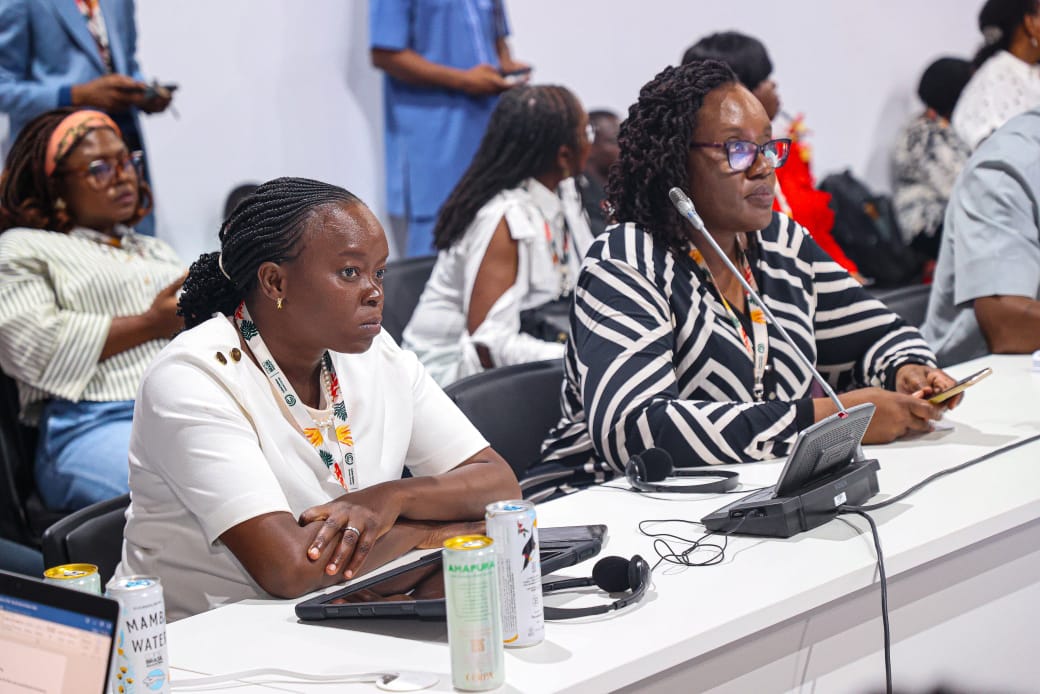
Speaking during the African Ministerial Conference on the Environment (AMCEN) Ministerial Consultation, Environment Cabinet Secretary Deborah Barasa described climate finance as a legal obligation rather than an act of charity. She said developed countries must honour their commitments and provide predictable financial support to developing nations, which remain disproportionately affected by climate change despite contributing relatively little to global emissions.
Barasa reaffirmed Kenya’s commitment to the African Common Platform ahead of the 31st United Nations Climate Change Conference (COP31), scheduled to take place in Antalya, Türkiye. She emphasised the importance of African countries maintaining a united position during international negotiations to strengthen their bargaining power and secure meaningful commitments from developed economies. She argued that COP31 must prioritise climate finance and adaptation rather than produce another round of declarations without tangible outcomes.
On climate financing, the Cabinet Secretary challenged the continued reliance on loans, noting that more than half of the climate funding reaching Africa is provided through loans, often at near-commercial interest rates. She argued that such arrangements risk increasing the continent’s debt burden while forcing vulnerable countries to borrow to address a crisis they did little to cause. Citing Article 9.1 of the Paris Agreement, Barasa called for increased grant-based financing, highly concessional funding, clear definitions of climate finance and fulfilment of existing commitments, including the US$300 billion annual climate finance goal.
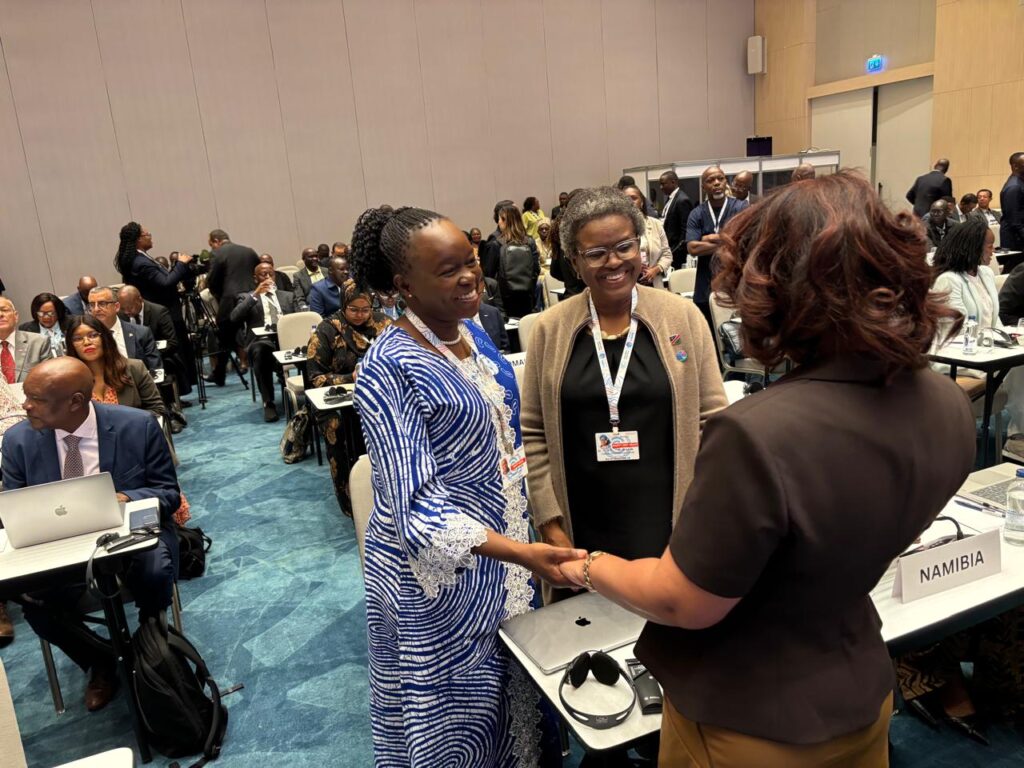
The Cabinet Secretary further urged international partners to increase funding for climate adaptation, highlighting Kenya’s experience with the devastating drought experienced between 2020 and 2023 and the widespread flooding witnessed in 2024. She called for the tripling of adaptation finance, operationalisation of the Baku Adaptation Roadmap and strengthening of key international financing mechanisms, including the Loss and Damage Fund, Green Climate Fund and Adaptation Fund. She maintained that adaptation financing is essential in helping vulnerable communities strengthen resilience against increasingly unpredictable weather patterns.
Barasa also highlighted Kenya’s efforts to mobilise domestic resources and promote locally led climate action through the Financing Locally Led Climate Action (FLLoCA) programme. The initiative channels resources directly to county governments and communities, enabling them to identify and implement projects addressing their specific climate vulnerabilities. She said Kenya’s experience demonstrates the importance of decentralised climate financing in ensuring that resources translate into practical interventions, including environmental conservation, water security and community resilience.
Kenya’s position also reflects the country’s broader commitment to renewable energy investments and sustainable development as part of its climate response. Barasa noted that African nations are already demonstrating leadership by mobilising domestic and regional resources to address environmental challenges. However, she insisted that local efforts cannot substitute for the financial responsibilities of developed countries, urging international partners to move beyond repeated pledges and deliver investments that support Africa’s climate priorities.
The Cabinet Secretary reaffirmed Kenya’s determination to advance a united African position at COP31 and subsequent international climate negotiations, insisting that the continent deserves climate justice, predictable financing and practical solutions. She called for stronger cooperation among African governments to ensure that the continent speaks with one voice from Antalya to Addis Ababa. Kenya’s intervention underscores the growing demand for a fairer international climate financing system that recognises Africa’s vulnerability, protects its development priorities and ensures that countries most responsible for global emissions contribute meaningfully to addressing the crisis.