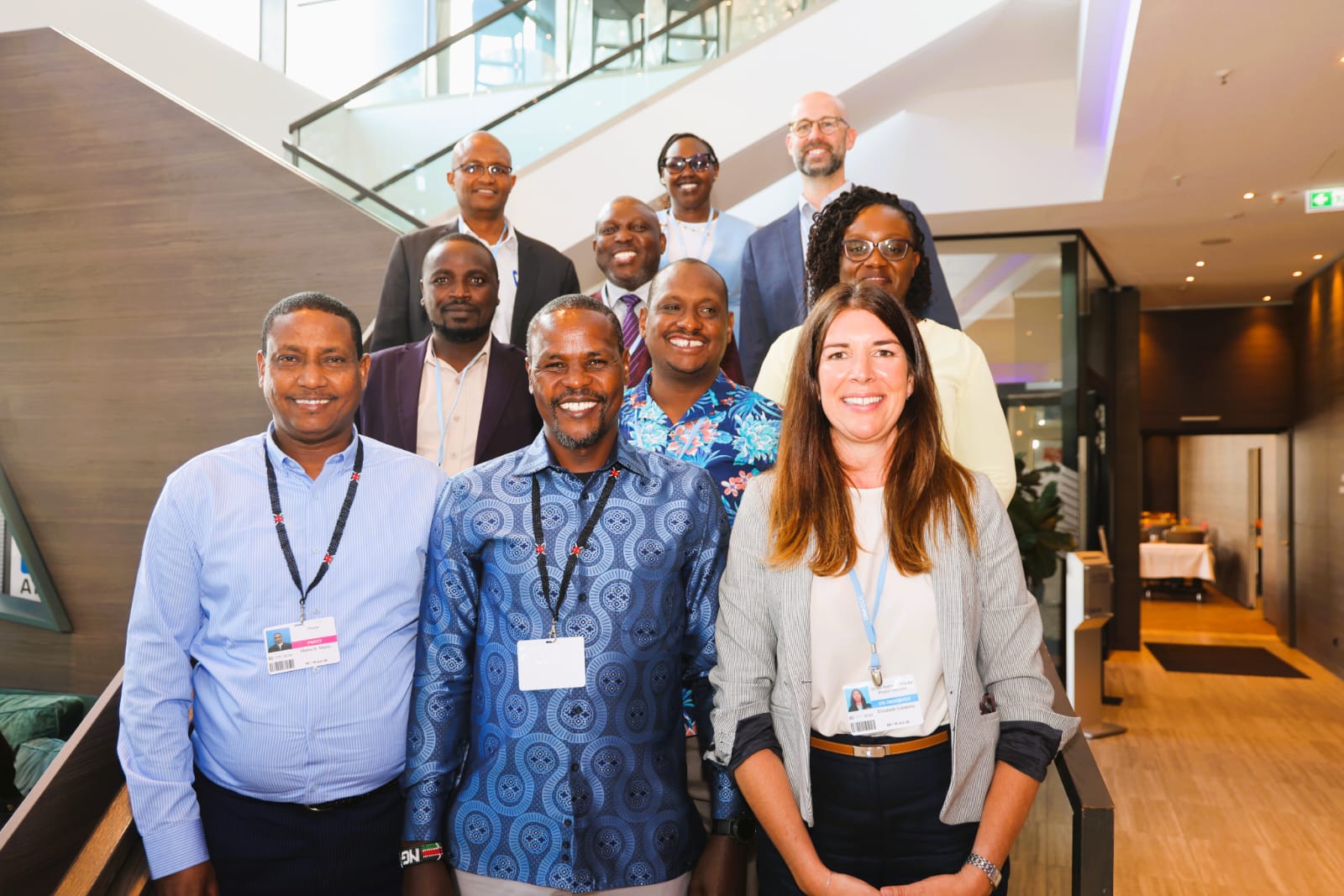
Kenya has secured approximately Sh90 million in climate support from the United Nations-backed Santiago Network on Loss and Damage, becoming the first country in Africa and only the second globally to benefit from the facility. The funding will support a nationwide assessment of climate-related loss and damage, providing critical data to strengthen policy planning, resource mobilization and resilience-building efforts as the government accelerates its response to the growing impacts of climate change. The milestone, announced during the ongoing United Nations climate meetings in Bonn, Germany, reinforces Kenya’s position as a leading voice in global climate action and reflects growing international confidence in the country’s climate governance and sustainability agenda.
The support will facilitate a comprehensive nationwide assessment of climate-related loss and damage experienced over the past decade, providing Kenya with critical evidence on the economic, social and environmental impacts of climate shocks. The initiative is expected to generate valuable data on the effects of droughts, floods, changing weather patterns and other extreme climate events that continue to affect communities, livelihoods and ecosystems across the country.
At a time when climate-related disasters are becoming more frequent and severe, the assessment represents a strategic investment in knowledge and preparedness. By systematically documenting the scale and nature of climate impacts, Kenya will be better equipped to design effective policies, prioritize interventions and allocate resources where they are needed most. Reliable evidence remains one of the most powerful tools in addressing climate challenges, and this initiative places data-driven decision-making at the centre of national climate planning.
The funding comes at a critical moment for a country that has experienced significant climate shocks in recent years. Prolonged droughts have strained food production systems and water resources, while severe flooding has damaged infrastructure, displaced communities and disrupted economic activity. Understanding the full extent of these losses is essential for developing targeted adaptation measures and strengthening resilience against future climate risks.
Beyond improving understanding of past and present impacts, the assessment will provide a foundation for long-term resilience planning. The findings are expected to inform adaptation strategies across key sectors including agriculture, water, infrastructure, energy, environmental conservation and disaster risk management. Such insights will help national and county governments strengthen preparedness and ensure that development investments are better protected from climate-related disruptions.
The initiative also presents an important opportunity to enhance institutional capacity across the country. The assessment process will support the development of technical expertise in climate risk analysis, data collection, climate monitoring and evidence-based planning. Strengthening these capabilities will improve coordination among government agencies, research institutions and development partners while creating a stronger framework for climate governance.
For vulnerable communities, the benefits of improved climate assessments could be far-reaching. More accurate understanding of climate impacts can support targeted interventions that protect livelihoods, improve food security, safeguard critical infrastructure and reduce the vulnerability of households exposed to recurring climate shocks. Better information enables governments and stakeholders to anticipate risks and invest in solutions that build resilience before disasters occur.
The partnership between Kenya and the United Nations further underscores the growing importance of international cooperation in addressing climate change. As climate impacts increasingly transcend national boundaries, collaborative efforts that combine technical expertise, financial support and policy innovation have become essential for building resilience and accelerating sustainable development. Kenya’s successful bid for the support reflects confidence in the country’s commitment to climate action and its ability to translate evidence into meaningful policy outcomes.
The assessment is also expected to strengthen Kenya’s ability to access international climate finance. Global climate funding mechanisms increasingly require robust evidence demonstrating the scale of climate impacts and the urgency of intervention. By generating credible and comprehensive data on climate-related loss and damage, Kenya will be better positioned to mobilize additional resources for adaptation, recovery and resilience-building initiatives.
This advantage could prove particularly important as countries seek greater access to emerging climate finance instruments designed to support communities on the frontlines of climate change. Reliable assessments provide the foundation upon which stronger funding proposals, investment cases and recovery frameworks can be built, helping unlock resources needed to address escalating climate risks.
The latest milestone complements Kenya’s broader climate agenda, which continues to gain recognition internationally. The country has established itself as a regional leader in renewable energy development, environmental conservation and climate diplomacy. Ambitious initiatives such as the 15 Billion Trees Programme, commitments to reduce greenhouse gas emissions, investments in clean energy and implementation of climate adaptation programmes demonstrate a comprehensive approach to building a resilient and sustainable future.
Kenya’s leadership in global climate discussions has also strengthened the country’s influence in shaping solutions that reflect African priorities. By securing this support, Kenya is not only advancing its own resilience agenda but also demonstrating how African countries can leverage international partnerships to enhance preparedness and strengthen climate governance.
Importantly, the initiative aligns with broader national development objectives. Climate resilience is increasingly linked to economic stability, food security, environmental sustainability and inclusive growth. Investments that improve understanding of climate risks ultimately contribute to protecting development gains, safeguarding public investments and creating conditions for long-term prosperity.
As climate challenges continue to evolve, the ability to measure and understand their impacts will become even more important. Effective responses require accurate information, strong institutions and sustained investment in resilience. The Sh90 million support from the Santiago Network provides Kenya with an opportunity to strengthen all three pillars while laying the groundwork for more effective climate action in the years ahead.
Kenya’s selection as the first African beneficiary of this support is a recognition of the country’s commitment to confronting climate challenges through innovation, evidence and partnership. It is a milestone that strengthens national preparedness, enhances policy effectiveness and reinforces Kenya’s standing as a leader in climate resilience.
Ultimately, the United Nations-backed support represents far more than a funding package. It marks an important step toward building a more climate-ready economy, protecting vulnerable communities and ensuring that future development is informed by robust evidence and sound planning. As Kenya deepens its resilience efforts, the assessment will provide a critical foundation for stronger policies, greater investment and a more secure future in the face of a changing climate.