The United States Government has committed approximately Sh623 million (US$4.8 million) to strengthen Kenya’s child protection systems, supporting efforts to safeguard vulnerable children, strengthen families and improve the delivery of social welfare services across the country.
The funding, channeled through the ChildSAFE Kenya Initiative, comprises US$3.8 million for Catholic Relief Services (CRS) programming and an additional US$1 million contribution to UNICEF. It forms part of a wider US$34 million ChildSAFE initiative being implemented across nine countries to strengthen child protection institutions, prevent unnecessary family separation and expand access to safe, family-based care.
The commitment comes as Kenya confronts significant challenges in protecting children from abuse, neglect and other forms of vulnerability. During the 2025/2026 financial year, the country recorded 222,267 child protection cases, approximately 70 per cent of which involved parental neglect. The figures highlight the scale of demand facing social services and the importance of moving beyond responding to reported incidents towards identifying risks and supporting vulnerable households before situations deteriorate.
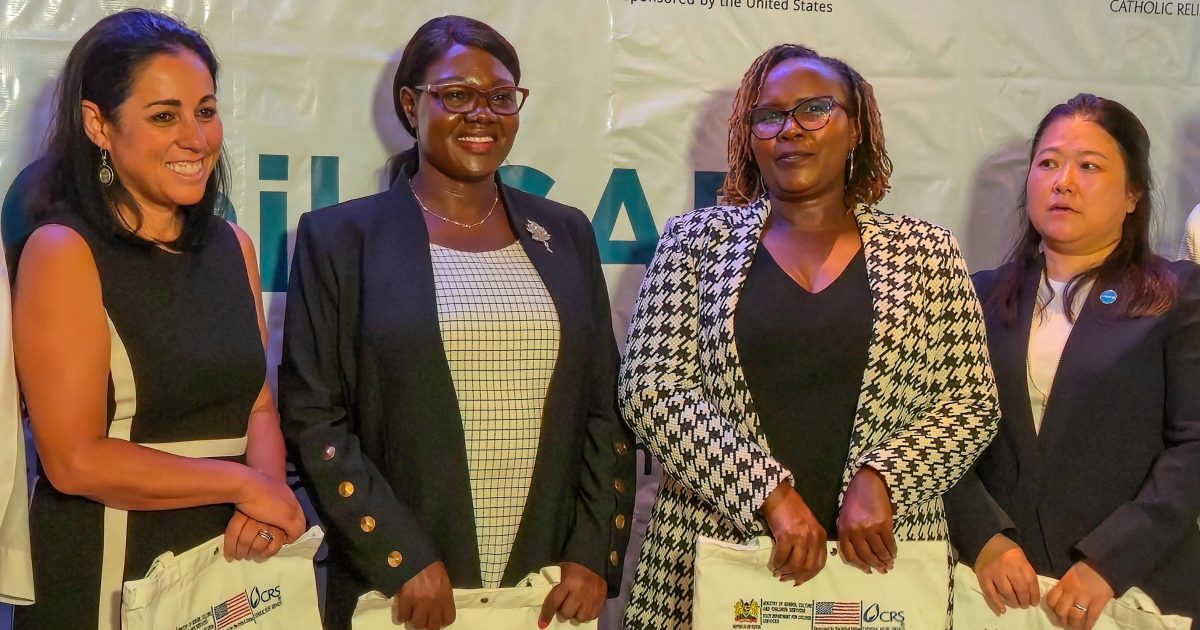
Speaking during the launch of ChildSAFE Kenya in Nairobi, Principal Secretary for Children Services CPA Carren Ageng’o said the investment would complement government efforts to strengthen family and community support structures while improving the systems responsible for protecting children.
The challenge extends to the country’s childcare institutions, where an estimated 40,000 children are living across 902 facilities. More than 70 per cent of these children could potentially qualify for reintegration into family- and community-based care, pointing to the need for a more comprehensive approach to child welfare that prioritizes safe family environments wherever possible.
This represents an important shift in how Kenya approaches the care and protection of vulnerable children. While residential institutions remain necessary for children who require specialized protection or cannot safely remain with their families, institutional placement should not become the default response to family hardship. Where appropriate safeguards and support are available, children benefit from growing up in stable family environments, maintaining meaningful relationships and remaining connected to their communities.
Consequently, strengthening families, expanding foster care and facilitating safe reintegration are central to the initiative. Family-based care requires more than returning children to their biological parents. It involves assessing household circumstances, addressing safeguarding concerns, providing appropriate social support and monitoring children’s welfare after reintegration. For children who cannot safely return to their families, suitable alternative arrangements must ensure continued protection, stability and access to essential services.
The high proportion of cases involving parental neglect also underscores the importance of addressing the pressures that undermine family stability. Poverty, inadequate access to social services, limited parental support and other household vulnerabilities can increase children’s exposure to neglect. Strengthening family resilience therefore requires coordinated interventions that connect vulnerable households to social protection, education, healthcare and appropriate community support without compromising accountability where abuse or deliberate neglect occurs.
Beyond family strengthening, ChildSAFE Kenya is expected to support improvements in the country’s child protection information management infrastructure. The government plans to strengthen the Child Protection Information Management System (CPIMS), including developing a digital application to facilitate reporting, referral and tracking of child abuse cases.
A more effective digital case management system could address longstanding coordination challenges by enabling relevant agencies to identify vulnerable children earlier, share essential case information, monitor referrals and follow up on interventions. Better information management would also strengthen the government’s ability to identify emerging patterns, allocate resources according to need and evaluate the effectiveness of child protection services.
However, the value of digital systems will depend on their accessibility, reliability and integration into frontline services. Technology must complement rather than replace trained social workers, community-based reporting structures and timely physical interventions. Effective case management also requires appropriate safeguards to protect children’s personal information and ensure that sensitive cases are handled responsibly.
The planned introduction of strengthened standards for childcare institutions by the end of November 2026 is another important component of the reform agenda. Stronger standards would provide a basis for improving institutional accountability, safeguarding practices and the quality of services provided to children. Their effectiveness will ultimately depend on consistent inspections, compliance monitoring, adequate staffing and action against facilities that fail to meet established requirements.
The initiative brings together several partners whose contributions are expected to strengthen different parts of the child welfare system. The US Government is providing financial support, while CRS is expected to advance programming around early childhood development, family strengthening and alternative care. UNICEF will contribute to interventions targeting vulnerable children and strengthening child protection systems.
The State Department for Children Services will remain central to government coordination, policy implementation and oversight, while Changing the Way We Care Kenya brings expertise in promoting family-based care and preventing unnecessary institutionalization. This collaboration recognizes that protecting children requires more than the involvement of a single government department. It depends on effective partnerships between public institutions, development organizations, civil society groups and communities that are often the first to identify children at risk.
For Kenya, the initiative also aligns with broader social development priorities centred on strengthening household resilience, improving access to essential services and ensuring that vulnerable populations are not left behind. Children who grow up in safe and supportive environments are better positioned to access education, develop essential life skills and contribute productively to society.
Ultimately, the significance of the Sh623 million commitment will be measured not by the amount announced but by the improvements it helps deliver. Sustained implementation, adequate public investment, trained personnel, effective coordination and meaningful community participation will determine whether the proposed reforms translate into stronger protection for children.
ChildSAFE Kenya provides an opportunity to build a more responsive and accountable child welfare system, one that intervenes before family circumstances become crises, protects children who face immediate danger and ensures that every child has access to safe, stable and supportive care.