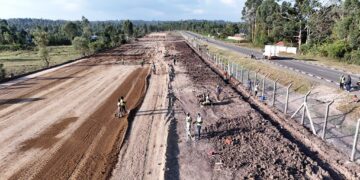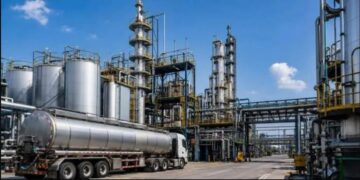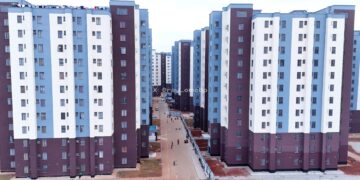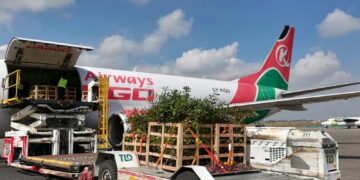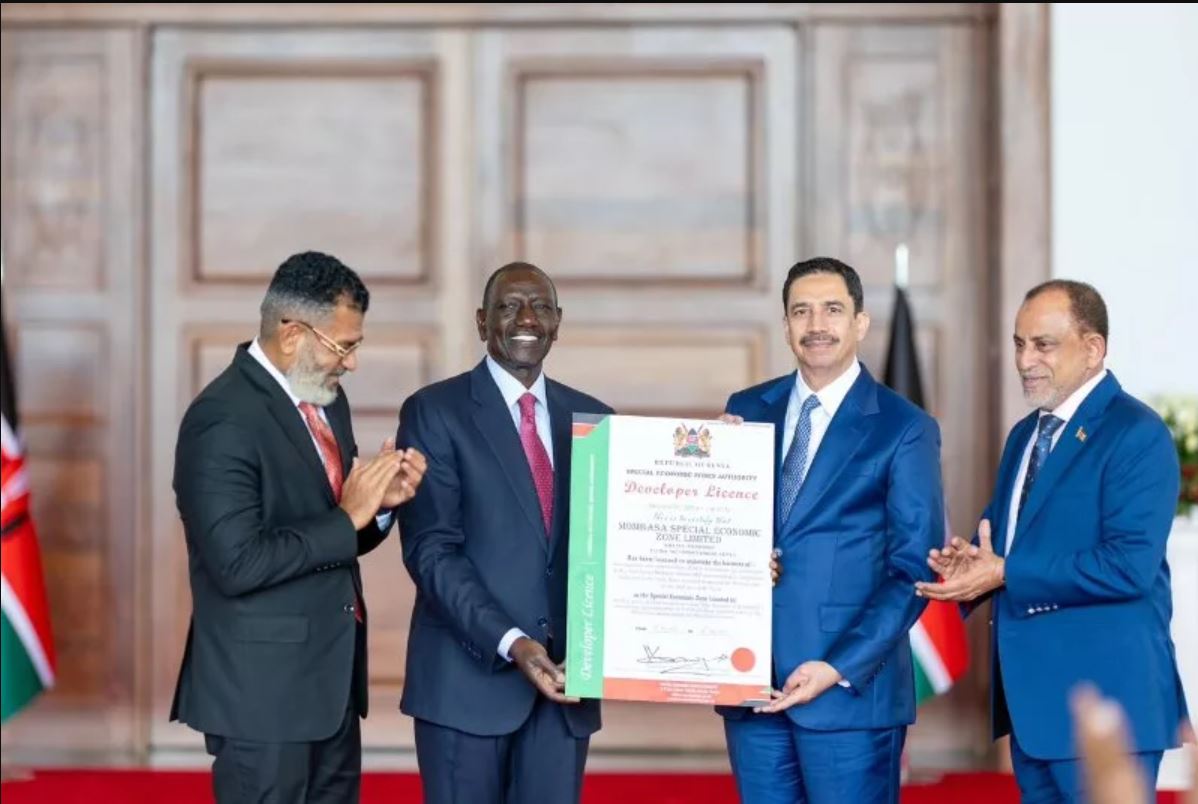
President William Ruto witnessed the signing of a Sh12 billion tripartite agreement for the development of a 535-acre Special Economic Zone in Jomvu, Mombasa, marking a fresh push to position the coastal city as a major centre for manufacturing, value addition and exports. The agreement between the County Government of Mombasa, Mombasa Free Zone Ltd and global logistics company DP World is expected to establish an industrial platform linked to the Standard Gauge Railway and regional transport corridors, with the first phase targeting 10,000 jobs.
The project gives new momentum to efforts to make greater use of Mombasa’s strategic position as Kenya’s principal maritime gateway while expanding the city’s role beyond the movement of goods into actual production. By bringing manufacturing, processing, assembly, value addition and logistics activities closer to the port and major transport networks, the planned SEZ is intended to create an integrated industrial environment capable of serving both Kenyan businesses and manufacturers targeting markets across Africa.
The employment potential is one of the most immediate aspects of the development. The first phase is expected to create 10,000 jobs, while the wider industrial ecosystem could generate additional opportunities for suppliers, transport operators, traders, food businesses and service providers. As companies establish operations within and around the zone, increased demand for goods and services could extend the project’s economic impact into surrounding communities and strengthen Mombasa’s wider urban economy.
The development also fits into the Government’s broader push to move Kenya towards a production and export-oriented economy. Rather than relying heavily on the export of raw or minimally processed commodities, the industrial model seeks to encourage more processing, manufacturing and value addition before products reach domestic or international markets. A functioning SEZ can provide businesses with a platform where these activities take place alongside logistics and distribution services, helping Kenya capture more economic value from production.
Its location strengthens that proposition. Mombasa is already connected to national and regional markets through the port, SGR and road corridors, giving manufacturers based in Jomvu access to infrastructure needed to move inputs and finished products. Linking the SEZ directly to these networks is intended to improve the connection between production centres, the port and inland markets, while supporting more efficient distribution of goods across the region.
The regional market opportunity is equally important. With the zone positioned to serve the East African Community, COMESA and the wider African market, Mombasa can become an increasingly important base for companies seeking to manufacture in Kenya while reaching consumers beyond the country’s borders. This could strengthen the city’s role as a gateway not only for imported and transit cargo, but also for Kenyan-made products destined for regional and international markets.
SEZs can also help create industrial clusters in which manufacturers, logistics providers, suppliers and service businesses operate within a connected ecosystem. Such clustering can strengthen supply chains, facilitate business linkages and create opportunities for technology and skills transfer. The participation of DP World brings an experienced global logistics player into the development and reinforces the importance of private sector partnerships in building infrastructure and systems that support international trade.
For Mombasa’s surrounding communities, the project could provide a wider platform for enterprise development as industrial activity expands. Employment opportunities within the first phase would be complemented by demand for transport, accommodation, retail, food, maintenance and other services, potentially increasing commercial activity in areas surrounding Jomvu. The extent of these benefits will depend on implementation and the ability to attract productive businesses into the zone.
At the national level, a stronger manufacturing and export base could broaden the economy’s sources of growth and strengthen long-term resilience. Greater industrial production has the potential to expand the tax base, increase foreign exchange earnings and reduce dependence on importing products that could be competitively produced locally. These are potential longer-term outcomes rather than benefits that have already been realized, and will depend on the successful development and uptake of the SEZ.
The agreement demonstrates the Government’s wider strategy of linking infrastructure investment with productive economic activity. Ports, railways and regional transport corridors become more economically valuable when they support factories, jobs, supply chains and exports. By connecting these elements around a dedicated industrial zone, the Mombasa project is intended to turn connectivity into a stronger engine of production and trade.
The signing therefore represents the beginning of an industrial development process rather than the completion of one. Its eventual impact will depend on implementation, investment and the establishment of businesses within the zone. But by bringing together public institutions, a Kenyan development partner and a global logistics company, the project provides a framework for deepening Mombasa’s role in Kenya’s industrialization and strengthening the country’s position as a production and trading hub for Africa.