Kenya could strengthen its capacity to manage hazardous industrial waste while advancing its circular economy ambitions through a proposed used oil recycling facility in Kwale County, with the project now undergoing public scrutiny as part of the environmental approval process.
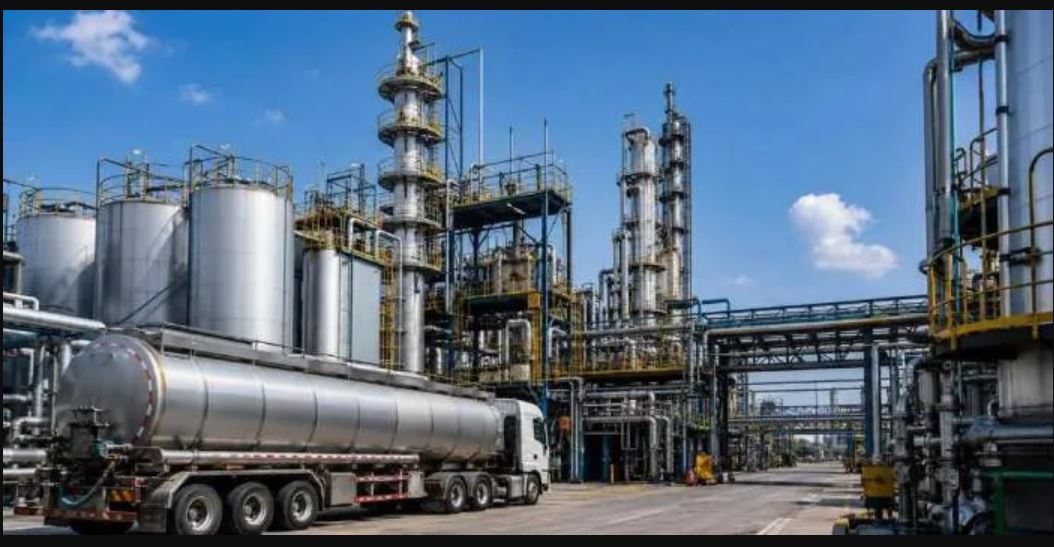
The proposed investment by NSM Enterprise Limited would establish a facility capable of processing 20,000 litres of used oil per batch at a site in Samburu, Kwale County. According to the Environmental Impact Assessment study submitted to the National Environment Management Authority, the development would include storage tanks, recycling machinery, a plant shed, quality assurance facilities, offices and designated areas for truck parking, loading and offloading.
However, the facility is not yet approved or operational. NEMA published a Gazette Notice inviting members of the public to submit views on the assessment, giving communities and other stakeholders an opportunity to scrutinize the proposal before the Authority makes its decision on the environmental license.
The significance of the proposal extends well beyond the boundaries of the planned facility. Used oil can become a serious environmental hazard when discarded indiscriminately, with leakage capable of contaminating soil and water resources. Creating additional capacity to collect, process and recover value from such waste could therefore support a more systematic approach to managing a difficult category of industrial waste.
At the heart of the proposal is the principle of turning waste into a resource. Instead of treating used oil solely as something requiring disposal, recycling and reprocessing can recover materials for further industrial use. Such an approach is consistent with the broader shift towards a circular economy, where resources remain in productive use for longer and waste generation is reduced.
For Kenya, expanding domestic capacity for used oil recovery could also strengthen local industrial value chains. A functioning recycling ecosystem would require collection, transportation, storage, testing, processing and waste management services, creating opportunities for enterprises operating at different points of the chain.
Kwale stands to gain from this potential industrial activity if the project secures the necessary approvals and proceeds under appropriate environmental safeguards. The development could create demand for technical skills, transport services, maintenance, security, laboratory work and other supporting services, while contributing to the county’s emerging industrial base.
The environmental dimension remains central. The EIA identifies risks associated with spills, leaks, emissions, wastewater, hazardous waste, fire and increased truck movement. Proposed safeguards include secondary containment, spill response measures, oil-water separation, pollution controls and environmental monitoring. These measures will ultimately have to withstand regulatory scrutiny and implementation requirements if the project advances.
This is precisely where NEMA’s public participation process becomes important. Public review allows technical findings, community concerns and proposed mitigation measures to be examined before approval, reinforcing the principle that industrial expansion must proceed alongside responsible environmental governance.
The proposal also illustrates how stronger regulation can support investment rather than obstruct it. Clear environmental standards give responsible investors greater certainty while assuring communities that potentially high-risk industrial activities are subject to scrutiny.
If approved and successfully implemented, the Kwale project could contribute to a wider national ecosystem for resource recovery. As Kenya seeks to reduce waste, improve resource efficiency and expand domestic manufacturing and processing capacity, investments that convert difficult waste streams into useful industrial inputs could become increasingly important.
The immediate task, however, is assessment. The proposed facility must first pass through the established environmental approval process. Its wider promise will depend on whether the project can demonstrate that industrial opportunity, environmental protection and community interests can be pursued together.