Kenya’s economy is expected to maintain steady but subdued growth in 2026, according to the latest outlook from the European Bank for Reconstruction and Development. This signals that the country is likely to maintain steady growth even as it continues to face challenges from high energy costs, rising debt levels, and uncertainty in the global economy. The report places Kenya in a relatively strong position compared to many other economies that are experiencing slower growth and pressure from unstable global markets, showing that the country is managing to remain on a stable path despite difficult external and domestic conditions.
A major reason for this steady performance is the ongoing government effort to strengthen the economy through reforms and development programmes aimed at improving how public resources are managed, increasing revenue collection, and supporting long term investment in key sectors. The Bottom-Up Economic Transformation Agenda continues to guide these efforts by focusing on expanding opportunities for small businesses, farmers, and local industries while creating jobs and improving household incomes across the country. These initiatives are designed to ensure that economic growth is felt more broadly at the community level rather than remaining limited to large urban centres.
Several sectors continue to play a central role in supporting this growth. Agriculture remains essential for food supply and rural livelihoods, while manufacturing is helping to increase local production and add value to raw materials. The services sector, including banking, transport, tourism, and digital services, continues to expand and provide employment opportunities. At the same time, ongoing infrastructure development such as roads, housing projects, energy expansion, and industrial zones is improving the business environment, strengthening connectivity, and making it easier for goods and services to move within the country and across the region.
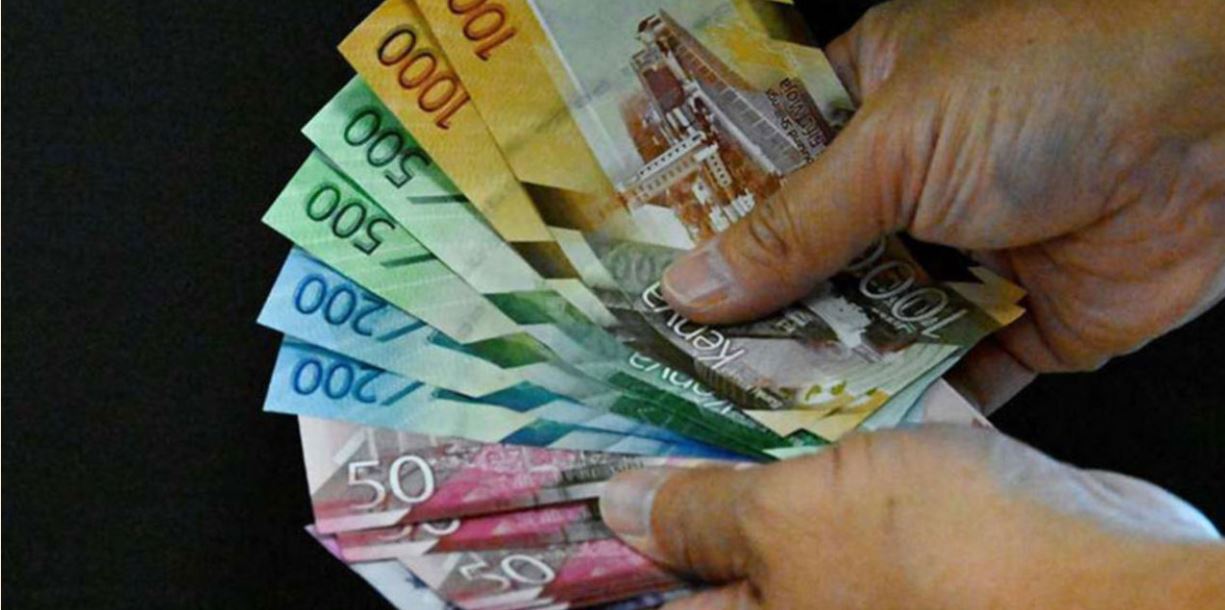
Despite these gains, the report notes that Kenya still faces significant challenges that could affect its growth outlook. Rising global oil prices have increased transport and production costs, contributing to higher prices in parts of the economy, while public debt remains elevated and continues to place pressure on government spending and limit fiscal flexibility. Even so, the stability of the shilling has helped cushion the impact of global price fluctuations on imported goods and services, providing some relief to households and businesses.
Global trade disruptions and geopolitical tensions continue to affect many economies, including Kenya, making it more difficult for businesses to plan and invest with certainty. However, Kenya retains a strong advantage as a regional trade and investment hub due to its strategic location, well-developed transport systems, and strong financial services sector, which together help it remain well connected to markets across East Africa and beyond. This position continues to support its resilience even during periods of global uncertainty.
The government is also continuing efforts to improve the business environment in order to attract both local and foreign investment. Reforms aimed at simplifying regulations, improving infrastructure, and strengthening institutions are intended to build investor confidence and encourage long term economic expansion. These measures are important in supporting industrial growth, export development, and economic diversification.
Economic stability remains critical because it supports job creation, household incomes, and access to essential services such as education, healthcare, housing, and infrastructure, while also strengthening food security and improving living standards. Continued cooperation with international financial institutions and development partners is also playing a key role by providing funding and technical support that helps Kenya manage economic pressures while maintaining development momentum.
Overall, the outlook shows that Kenya’s economy remains stable and resilient despite debt pressures, high energy costs, and global uncertainty. The projected growth of 4.6 percent reflects the impact of ongoing reforms, continued investment in key sectors, and the government’s commitment to strengthening economic performance under the Bottom-Up Economic Transformation Agenda, with the broader aim of building a more inclusive, stable, and sustainable economy for the long term.
President William Ruto has challenged African nations to take charge of financing their own development by mobilising domestic resources, strengthening continental financial institutions and reducing dependence on external...
Read moreDetails