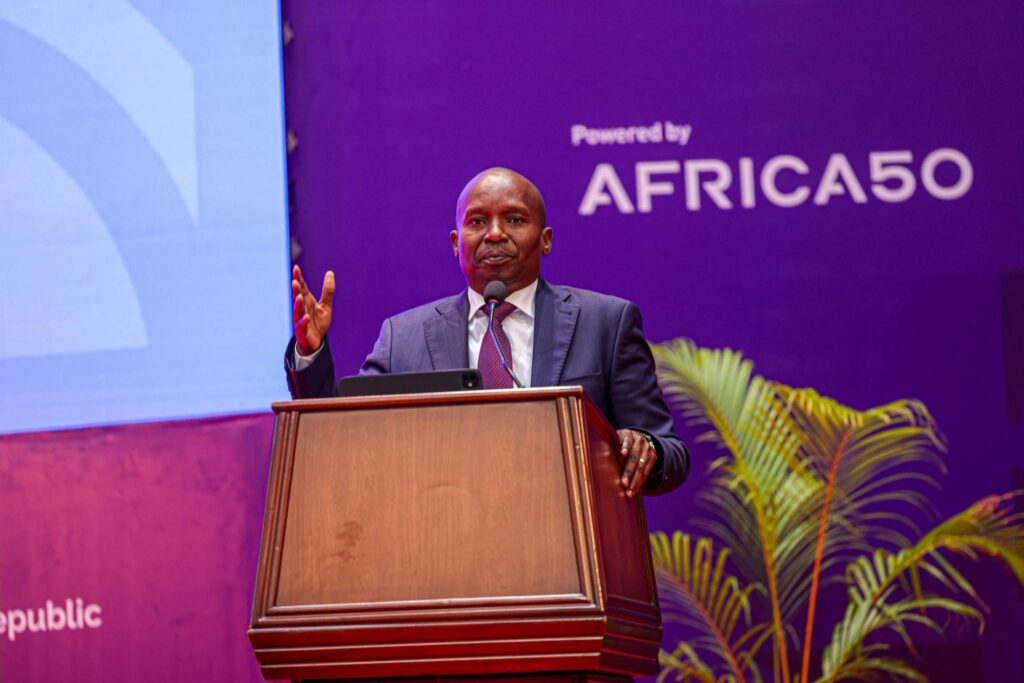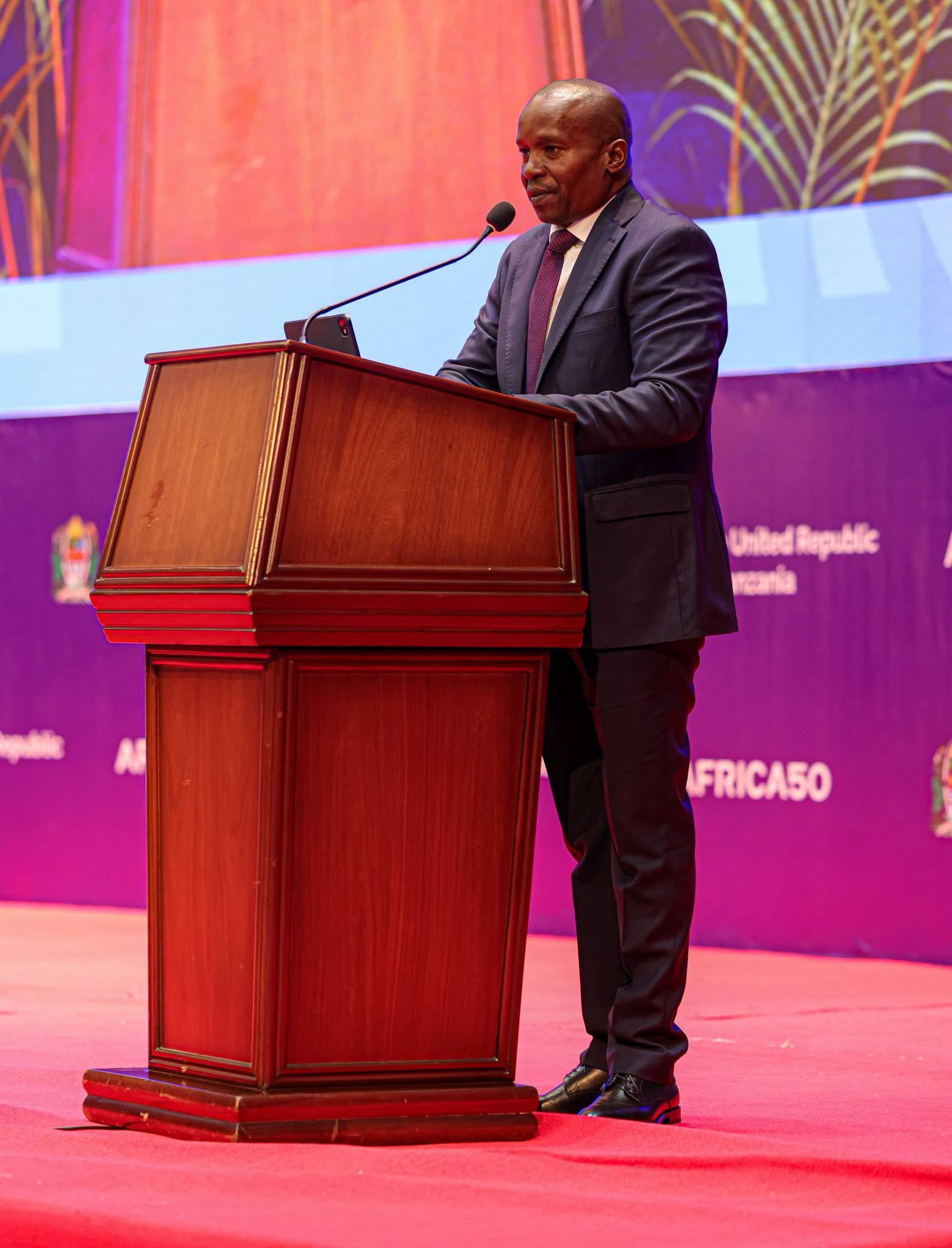
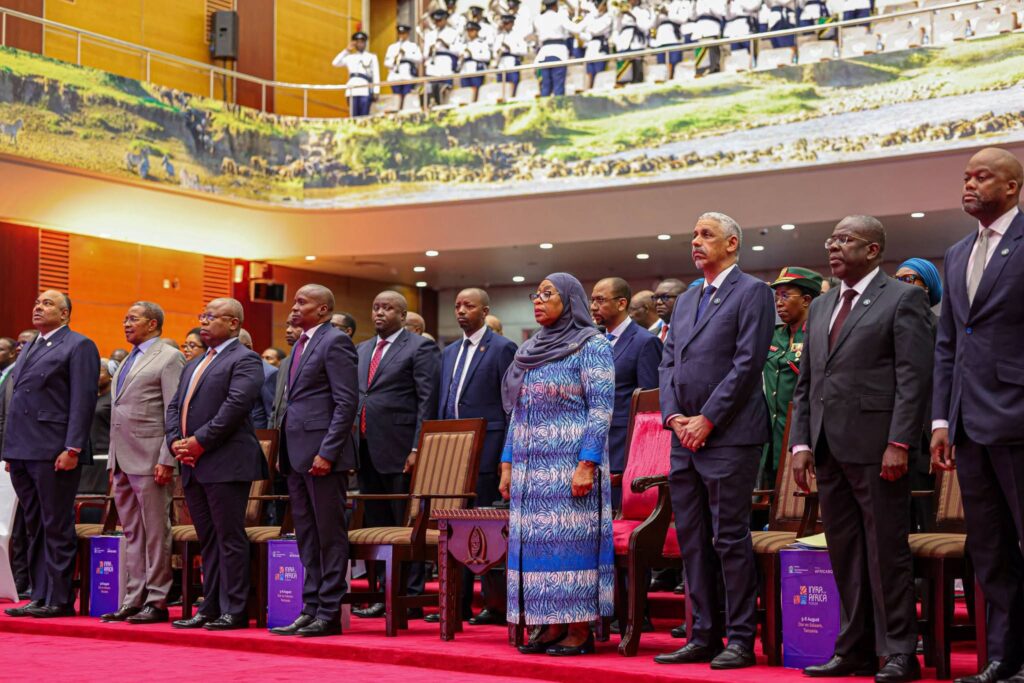
Deputy President Kithure Kindiki has declared that Africa possesses all the ingredients required to become a First World continent, urging leaders across the region to embrace long-term planning, policy consistency and bold investments that will unlock the continent’s vast potential. Speaking at the Infra for Africa Forum and Africa50 General Shareholders Meeting in Dar es Salaam, Tanzania, on behalf of President William Ruto, Prof. Kindiki said the time had come for Africa to move beyond being viewed as a continent of untapped promise and instead become a global centre of prosperity, innovation and industrial growth.
Prof. Kindiki emphasized that Africa is richly endowed with natural resources, a youthful population and entrepreneurial talent capable of driving transformative development. He noted that what the continent requires is confidence in its own capabilities, visionary leadership and sustained investments that extend beyond electoral cycles. According to the Deputy President, Africa should no longer accept lagging behind developed nations when it has the capacity to compete on equal footing in infrastructure, technology, manufacturing and trade.
The Deputy President pointed to Kenya as an example of a country steadily laying the foundation for long-term economic transformation under President William Ruto’s administration. Through the Bottom-Up Economic Transformation Agenda (BETA), the Government has accelerated investments in strategic sectors including housing, healthcare, agriculture, roads, digital infrastructure and industrial development, positioning Kenya among Africa’s fastest-modernising economies.
One of the flagship achievements has been the Affordable Housing Programme, which has transformed the construction sector while creating hundreds of thousands of jobs for Kenyan youth. Across the country, thousands of affordable housing units are either complete or under construction, stimulating demand for locally produced building materials, supporting small businesses and providing dignified homes for families. The programme has also become a key driver of urban renewal and economic inclusion.
The Government has equally invested heavily in modern markets aimed at empowering small-scale traders, women and youth. New and upgraded markets across counties are providing safer, cleaner and more organized trading spaces complete with water, sanitation, cold storage and digital payment facilities. These investments are improving business environments while strengthening local economies and increasing incomes for thousands of informal sector entrepreneurs.
Infrastructure development has also remained central to Kenya’s transformation agenda. Major road projects, highway expansion, rural access roads and bridge construction are improving connectivity between agricultural zones, industrial centres and urban markets. Enhanced transport networks are reducing travel time, lowering logistics costs and making it easier for businesses and farmers to access domestic and regional markets, thereby boosting economic competitiveness.
In the health sector, President Ruto’s administration has prioritized universal access to quality healthcare through reforms anchored on the Social Health Authority (SHA). Investments in health infrastructure, digitization of health records, expanded medical equipment, community health services and increased access to affordable medical care are strengthening the country’s healthcare system while reducing the financial burden on households.
Agriculture, the backbone of Kenya’s economy, has equally received renewed focus. Government interventions including fertilizer subsidies, plans to lower the cost of certified seeds, irrigation expansion, mechanization and support for value addition are enhancing food security and increasing farmers’ productivity. These reforms are aimed at making agriculture more profitable while cushioning farmers against climate-related shocks and ensuring stable food supplies for the country.
Kenya has also emerged as one of Africa’s leading digital economies through continued investment in Information and Communication Technology (ICT). Expansion of fibre optic infrastructure, digitization of government services, growth of digital payments, artificial intelligence initiatives, innovation hubs and support for technology startups are positioning the country as a regional technology powerhouse capable of attracting global investment and creating high-quality jobs for young people.
Addressing African leaders, Prof. Kindiki called on governments to adopt innovative financing mechanisms capable of supporting large-scale infrastructure projects. He highlighted Kenya’s newly established Infrastructure Fund, which seeks to mobilize capital from the stock market through partial divestiture of selected government-owned entities while attracting greater private sector investment. The model, he said, will reduce dependence on public borrowing while unlocking long-term financing for transformative development.
The Deputy President further stressed that sustained progress depends on political stability, policy continuity and governance systems that protect development programmes from disruption during democratic transitions. While democratic change remains essential, he argued that countries must insulate long-term national projects from political cycles to ensure that infrastructure, industrialization and economic reforms continue uninterrupted regardless of changes in leadership.
Prof. Kindiki also underscored the importance of placing citizens at the centre of development, saying infrastructure alone cannot deliver prosperity unless it directly improves people’s lives. He called for stronger public-private partnerships, greater regional integration and innovative approaches to resource mobilization that lower investment risks and accelerate implementation of strategic projects. Concluding his address, the Deputy President reaffirmed that Africa’s journey to First World status is both achievable and inevitable if governments remain committed to long-term vision, inclusive growth and regional cooperation. He maintained that Kenya is already on that path, with the achievements recorded under President William Ruto’s administration demonstrating how deliberate investments in housing, infrastructure, healthcare, agriculture and digital transformation can propel a nation toward developed-country status.