Kenya has secured a Sh22 billion financing package from Japan, marking a major milestone in the country’s industrialization agenda and strengthening bilateral economic cooperation. The funding, signed between the Government of Kenya and Nippon Export and Investment Insurance (NEXI) at State House, Nairobi, is expected to accelerate local manufacturing, modernize the energy sector, and support key government reforms. The investment also reflects growing confidence in Kenya’s economic prospects and commitment to sustainable development.
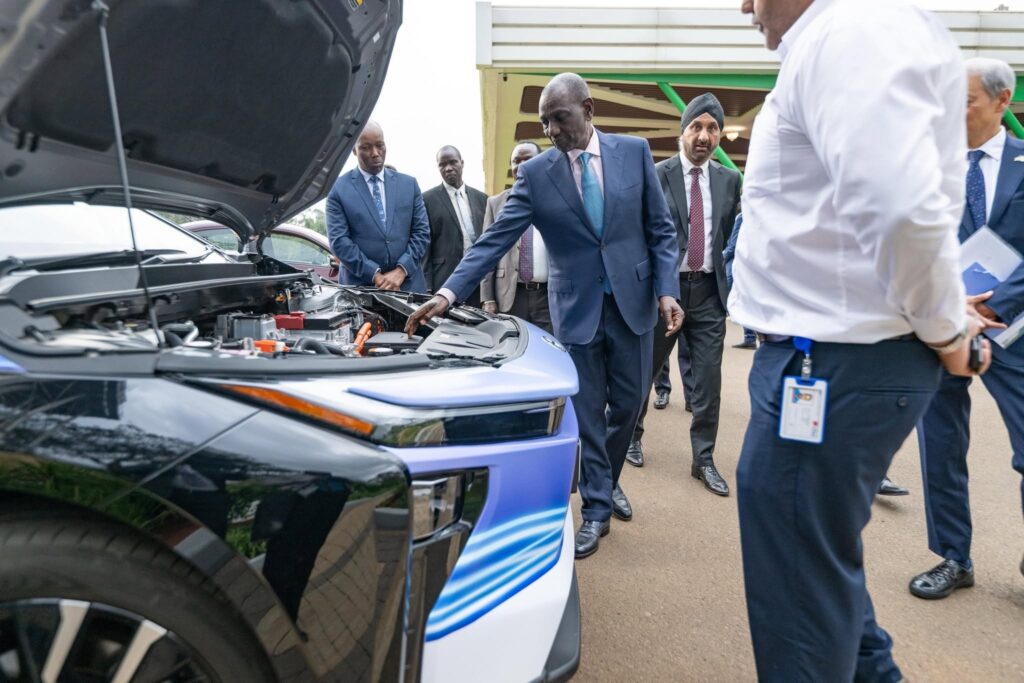
The largest share of the financing, Sh13.1 billion, has been allocated to the implementation of Kenya’s National Automotive Policy, an ambitious strategy aimed at expanding local vehicle assembly and increasing value addition within the manufacturing sector. The initiative seeks to reduce the country’s dependence on imported fully built vehicles while positioning Kenya as a regional automotive production hub capable of serving both domestic and export markets.
President William Ruto described the agreement as a transformative investment that will unlock thousands of employment opportunities across the automotive value chain. Beyond direct jobs in vehicle assembly plants, the initiative is expected to stimulate employment in component manufacturing, logistics, engineering, maintenance, research, and technical training. The expansion of local production is also anticipated to strengthen small and medium-sized enterprises supplying parts and services, creating a significant multiplier effect throughout the economy.
The President emphasized that Africa has for decades exported employment opportunities by importing products that could be manufactured locally. By promoting domestic vehicle assembly, Kenya aims to retain greater economic value within its borders, strengthen industrial capacity, improve technical skills among its workforce, and reduce the country’s import bill. Increased local production will also contribute to a healthier trade balance while enhancing Kenya’s competitiveness in regional and continental markets.
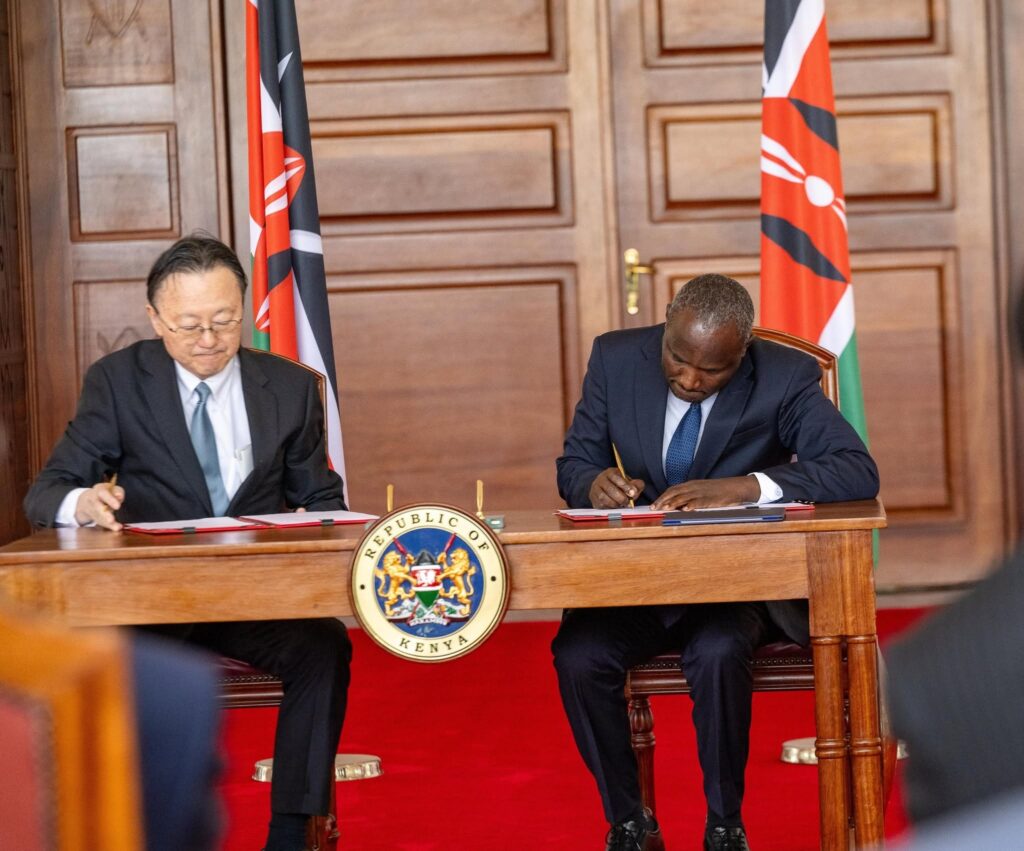
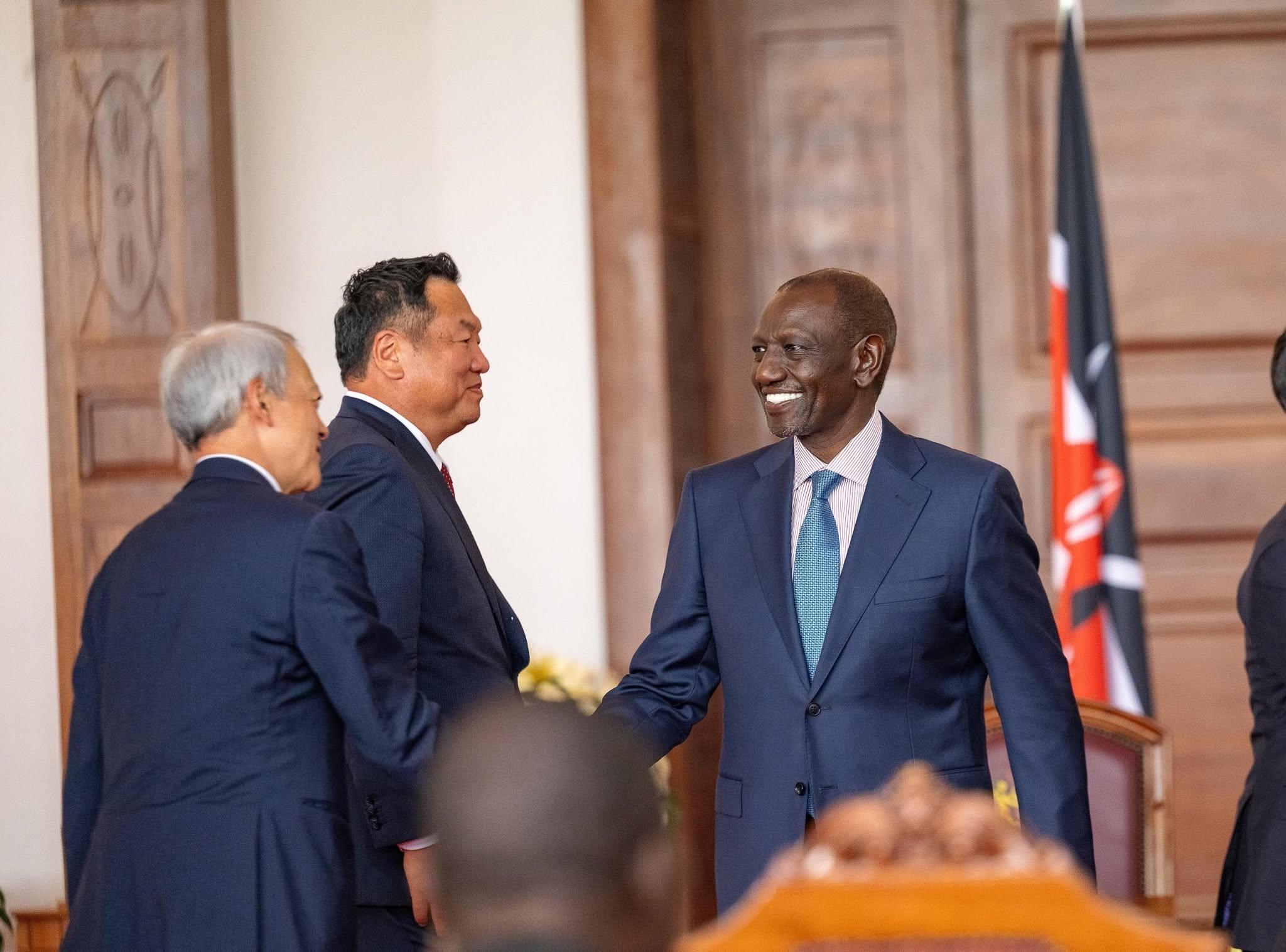
The financing agreement was signed on behalf of Kenya by Treasury Cabinet Secretary John Mbadi, while NEXI Chairman and Chief Executive Officer Atsuo Kuroda represented the Japanese institution. President Ruto noted that the partnership builds upon engagements initiated during his official visit to Japan in 2024 and Kenya’s participation in the Tokyo International Conference on African Development (TICAD). Kuroda explained that the agreement originated from a memorandum of understanding signed during that visit, eventually culminating in the financing arrangement finalized in March 2026.
Beyond the automotive sector, the package allocates Sh5 billion to the Reduction of Energy Losses Programme, which seeks to minimize electricity losses across Kenya’s national grid and improve energy efficiency. Reliable and affordable electricity remains a critical pillar for industrial growth, and reducing transmission and distribution losses is expected to lower operational costs for manufacturers, improve productivity, and attract additional local and foreign investment into the country’s industrial sector.
An additional Sh4 billion will support Kenya’s broader economic reform agenda, including improvements in public service delivery and protection of critical social investments. Importantly, the agreement also marks Kenya’s entry into Japan’s capital markets through a Samurai bond structure, providing the country with access to diversified and potentially lower-cost sources of financing. Treasury CS John Mbadi noted that the government is increasingly prioritizing concessional financing to reduce borrowing costs and enhance fiscal sustainability.
The Sh22 billion Japanese financing package is expected to deliver substantial long-term economic benefits by stimulating industrial expansion, creating thousands of quality jobs, enhancing technology transfer, improving energy reliability, and strengthening Kenya’s manufacturing base. Trade Cabinet Secretary Lee Kinyanjui observed that the investment addresses longstanding challenges facing the local automotive industry and reinforces the government’s vision of transforming Kenya into a competitive manufacturing and industrial hub. As implementation progresses, the initiative is poised to boost economic growth, increase investor confidence, and accelerate the country’s journey toward sustainable industrial development.