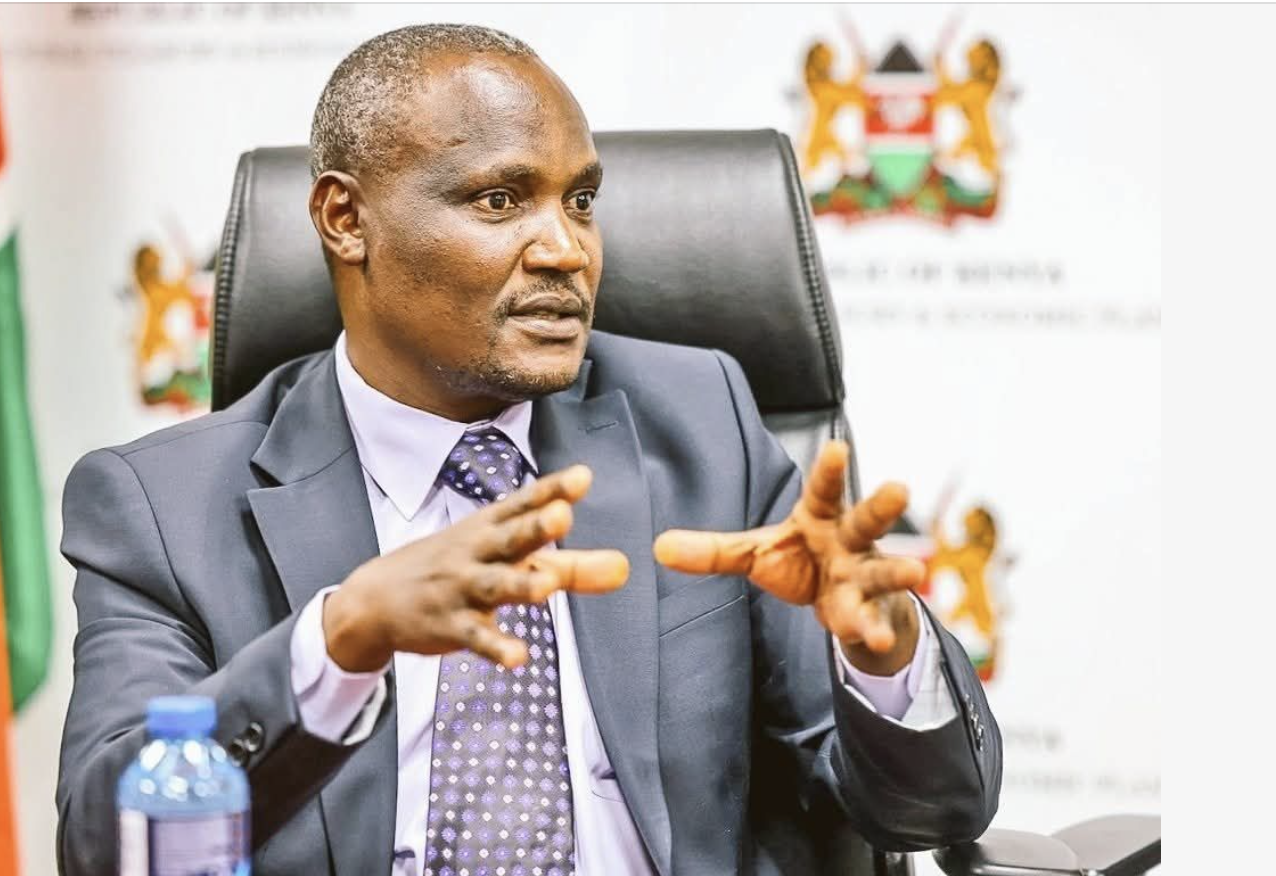
President William Ruto has appointed a governing council to oversee the newly created National Infrastructure Fund, placing Treasury Cabinet Secretary John Mbadi at its helm. The move, formalized following the enactment of the National Infrastructure Fund Act, 2026, marks a significant shift in Kenya’s development strategy as the government seeks to mobilize private capital and reduce reliance on public debt to finance major infrastructure projects.
The establishment of the council following the enactment of the National Infrastructure Fund Act, 2026, signals a deliberate policy recalibration. Kenya is seeking to unlock long-term financing estimated at around Sh5 trillion over the next decade, targeting large-scale projects across transport, energy, logistics, and industrial infrastructure. By embedding both public sector leadership and private sector expertise within the council, the government is positioning the fund as a hybrid platform capable of crowding in institutional investors, sovereign wealth funds, and development finance institutions
At a strategic level, the council’s composition reflects an effort to balance macroeconomic oversight with market credibility. The inclusion of Central Bank leadership and the Attorney General ensures regulatory and legal coherence, while private sector figures bring transactional experience and investor networks. This alignment is critical in de-risking projects, structuring bankable pipelines, and enhancing investor confidence in a market where governance and execution risks have historically constrained capital inflows.
The fund’s architecture opens new pathways for public-private partnerships, particularly in sectors that require significant upfront capital but generate long-term returns. Toll roads, energy generation and transmission, logistics corridors, and urban infrastructure are likely to benefit from blended financing models that combine equity, concessional loans, and guarantees. This approach reduces fiscal pressure on the exchequer while accelerating project delivery timelines, a key constraint in Kenya’s infrastructure rollout.
Foreign direct investment is expected to play a central role in the fund’s success. By creating a structured investment vehicle with clear governance and pipeline visibility, Kenya enhances its attractiveness to global investors seeking exposure to frontier infrastructure assets. The council’s ability to package projects into investable portfolios, supported by transparent procurement and risk-sharing mechanisms, will determine whether the country can compete effectively with peer markets in Africa and beyond.
The implications for national development priorities are significant. Enhanced financing capacity could unlock stalled or delayed projects in highways, rail networks, ports, and energy systems, improving connectivity and lowering the cost of doing business. Industrial parks and special economic zones stand to gain from improved infrastructure, supporting manufacturing growth and export competitiveness. Urban planning initiatives, including housing and mass transit, could also see accelerated implementation as financing constraints ease.
The council’s mandate aligns closely with Kenya’s long-term development frameworks, including Vision 2030 and the Big Four Agenda. Infrastructure remains the backbone of these strategies, underpinning industrialization, food security, affordable housing, and universal healthcare. By institutionalizing a sustainable financing mechanism, the government is effectively addressing one of the most persistent bottlenecks in achieving these goals.
Regionally, the fund strengthens Kenya’s positioning within the African Continental Free Trade Area and the East African Community. Improved cross-border infrastructure enhances trade flows, reduces transit times, and integrates regional value chains. As neighbouring economies expand production capacity, Kenya’s role as a logistics and financial hub becomes increasingly dependent on the efficiency and scale of its infrastructure network.
The socio-economic impact could be far-reaching if implementation is executed effectively. Large infrastructure projects typically generate significant employment, particularly for youth, while creating opportunities for local contractors and SMEs to participate in supply chains. Skills development and technology transfer are also likely outcomes, especially where international investors and contractors are involved. Over time, this can deepen domestic industrial capabilities and support more diversified economic growth.
However, the success of the council will hinge on governance discipline and institutional credibility. The legislative framework introduces stronger oversight, including parliamentary scrutiny of investment policies and penalties for mismanagement. These provisions are critical in safeguarding public resources and ensuring that the fund does not replicate inefficiencies seen in past infrastructure initiatives.
Ultimately, the National Infrastructure Fund represents more than a financing mechanism. It is a strategic instrument for reshaping Kenya’s economic trajectory, enabling sustainable urbanization, enhancing global investment positioning, and strengthening resilience against fiscal shocks. If effectively managed, the governing council could catalyze a new phase of infrastructure-led growth, anchored in private capital, regional integration, and long-term economic transformation.
Deputy President Kithure Kindiki has reaffirmed his unwavering commitment to supporting President William Ruto in delivering transformative development projects across the country, as he embarked on an extensive...
Read moreDetails