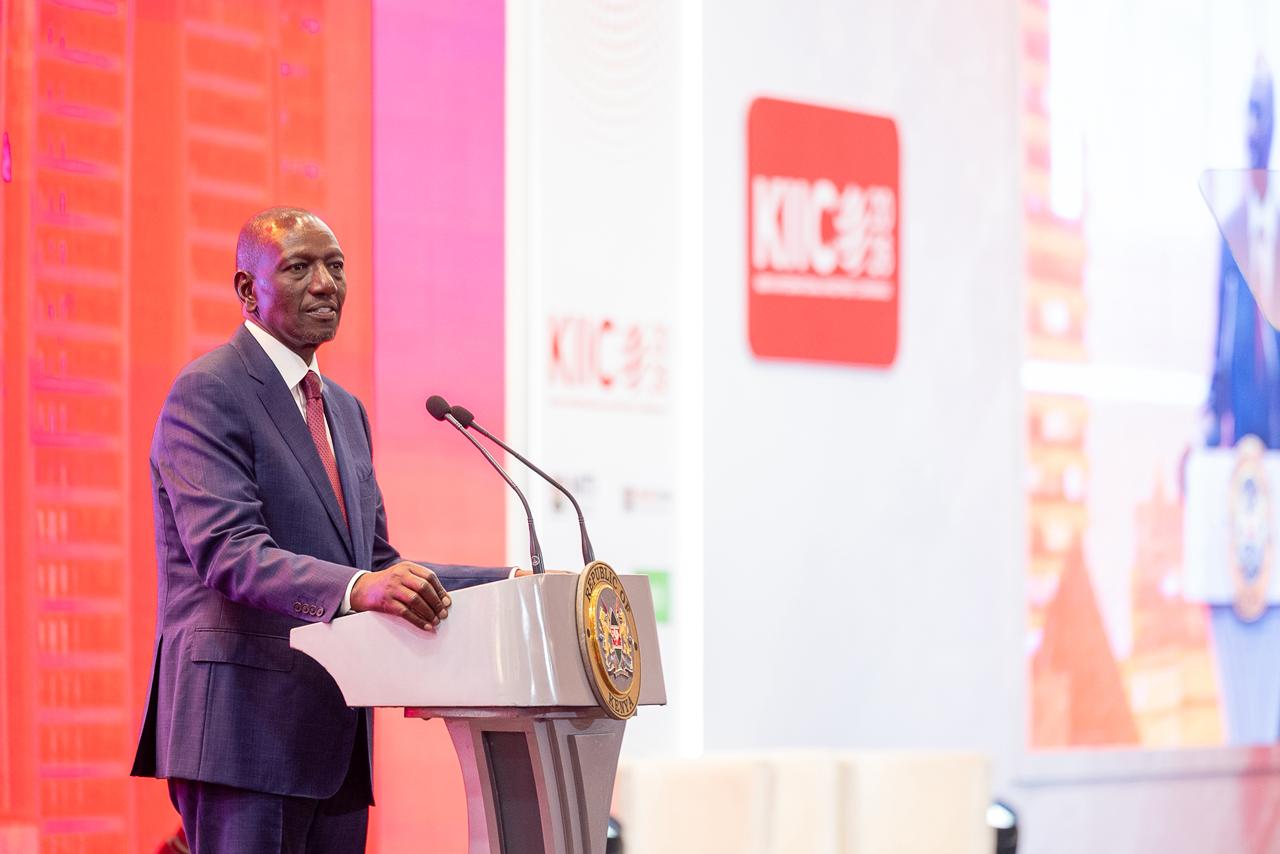
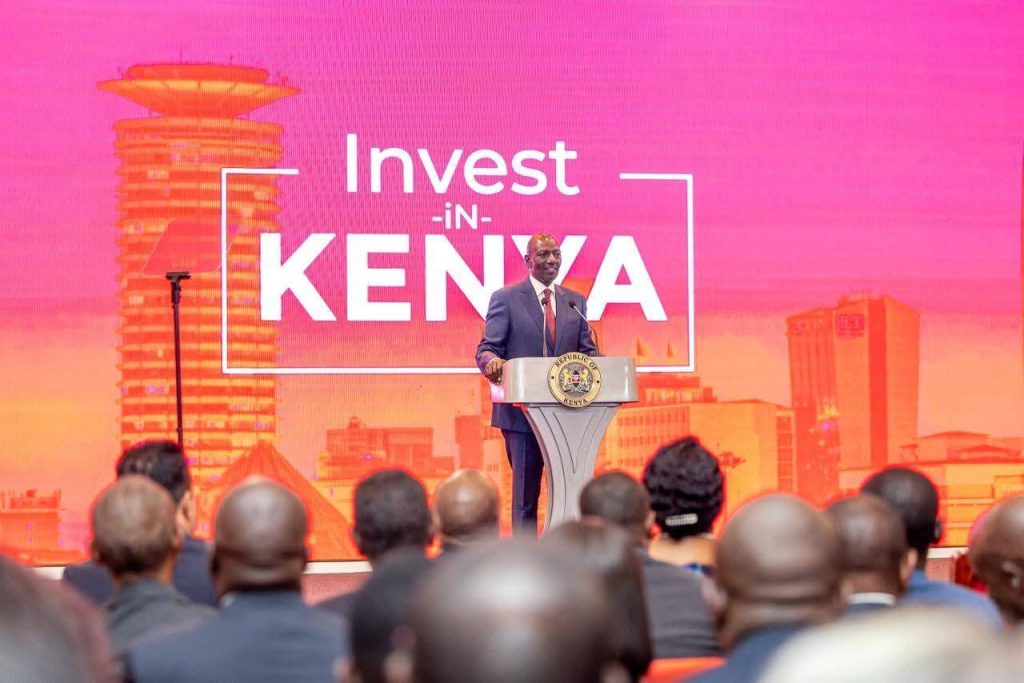
President William Ruto has unveiled a major wave of investment commitments worth $2.9 billion, secured from 20 investors, marking a significant milestone in Kenya’s economic transformation agenda. The announcement signals growing confidence in Kenya as a competitive and reliable destination for global capital, with the investments expected to generate approximately 63,000 quality jobs across key sectors of the economy.
The investment portfolio spans a diverse range of industries, including agriculture, manufacturing, information and communication technology (ICT), Business Process Outsourcing (BPO), healthcare, energy, and real estate. This broad sectoral spread reflects Kenya’s strategic positioning as a regional hub with multiple high-growth opportunities, capable of absorbing large-scale investments while driving inclusive economic development.
According to President Ruto, a significant portion of these projects has already moved beyond the planning phase, with several investors having commenced implementation. This progress underscores the shift from policy commitments to tangible economic activity, reinforcing the credibility of Kenya’s investment pipeline and the government’s commitment to facilitating project execution.
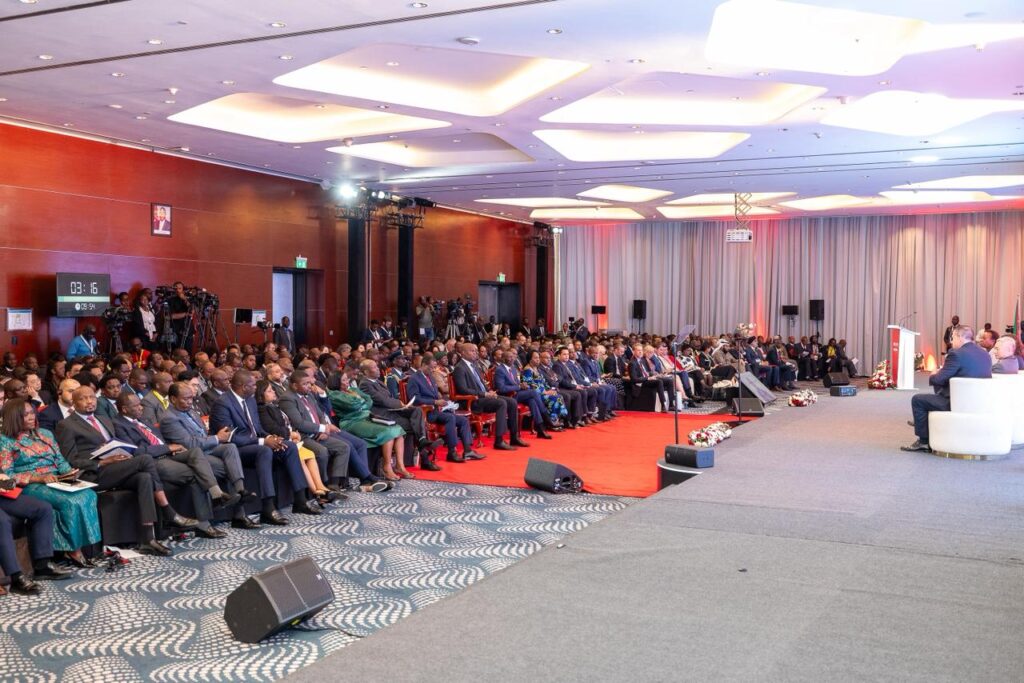
Speaking during the Kenya International Investment Conference held in Nairobi, where he was joined by Daniel Chapo, President Ruto emphasized that the deals represent more than just financial figures. He highlighted that the investments, including over $1 billion dedicated to agriculture, are expected to directly impact livelihoods and enhance food security while boosting export capacity.
The President noted that the government has been actively implementing wide-ranging reforms aimed at improving Kenya’s attractiveness to investors. These reforms are designed to address long-standing challenges in the business environment, streamline regulatory processes, and ensure that investors can operate efficiently within a predictable policy framework.
A key area of reform has been tax administration, where the government is introducing mechanisms to improve liquidity and certainty for businesses. These include VAT refund systems for export-oriented firms and clearer transfer pricing frameworks, which are intended to reduce disputes and enhance transparency in taxation.
Further measures include the zero-rating of VAT on exported services and provisions allowing companies to offset verified tax claims against future obligations. Additionally, the removal of the 30 per cent domestic equity requirement for ICT firms is expected to unlock substantial foreign investment into Kenya’s rapidly growing digital economy, positioning the country as a leading technology hub in Africa.
The government is also enhancing investor experience through the One-Stop Investment Centre, which provides integrated facilitation services. By 2026, the platform is expected to be fully digitised, enabling investors to obtain permits and licences online, thereby reducing bureaucratic delays, lowering operational costs, and improving overall efficiency.
Infrastructure development remains a central pillar of Kenya’s investment strategy. The government is expanding road networks, modernising railways, upgrading airports, and improving seaports to strengthen connectivity. At the same time, reforms in the energy sector are aimed at ensuring reliable and affordable electricity, particularly for industries that depend heavily on power.
In addition, the alignment of export processing zones and special economic zones is expected to create synergies that enhance industrial productivity and export competitiveness. These zones are being structured to attract both local and international investors by offering incentives and a conducive business environment.
President Ruto underscored the importance of human capital, describing it as Kenya’s greatest asset. The government is investing in education and skills development to build a workforce capable of meeting the demands of modern industries, thereby ensuring that investment translates into sustainable economic growth.
Kenya’s macroeconomic stability further strengthens its appeal to investors. The country has maintained steady economic growth despite global challenges, with foreign direct investment inflows in 2025 rising by over 15 per cent to surpass $2 billion. Inflation has declined significantly, averaging 4.4 per cent compared to 9.6 per cent three years ago, while the exchange rate has remained stable and foreign exchange reserves have reached record levels.
President Chapo highlighted the critical role of the private sector in unlocking Africa’s vast economic potential. He pointed to the continent’s youthful population, abundant natural resources, and opportunities in sectors such as agriculture, tourism, and infrastructure as key drivers of future growth, urging investors to consider both Kenya and Mozambique as prime destinations.
Musalia Mudavadi emphasized the need for stronger intra-African cooperation in light of global disruptions affecting supply chains, noting that frameworks such as the African Continental Free Trade Area can help cushion economies from external shocks and promote regional trade integration.
Investment and Trade Cabinet Secretary Lee Kinyanjui reaffirmed the government’s commitment to maintaining open engagement with investors. He noted that addressing investor concerns promptly is central to building long-term partnerships that drive economic growth and job creation.
Private sector leaders have also acknowledged the positive impact of these reforms. Paul Russo commended the government’s efforts to enhance competitiveness, observing that the benefits are already visible in the improving investment climate and increased investor confidence.
Overall, the announcement of the $2.9 billion investment deals marks a significant step in positioning Kenya as a premier investment destination in Africa. With continued reforms, infrastructure development, and a focus on stability and openness, the country is steadily strengthening its reputation as a reliable and attractive hub for global investors.