President William Samoei Ruto’s administration has continued to demonstrate its commitment to equitable development by ensuring that no region is left behind in the implementation of national projects. In the Nyanza region, comprising Kisumu, Siaya, Homa Bay, Migori, Kisii, and Nyamira counties, the government has invested heavily in infrastructure, housing, markets, and institutional development. The investments are aimed at accelerating economic growth, creating jobs, and improving the quality of life for millions of residents.
According to government project data, the Nyanza region has attracted investments exceeding KES 270 billion spread across nearly 320 development projects. These projects cover key sectors including roads, affordable housing, modern markets, and public institutions. The scale of investment reflects the Kenya Kwanza administration’s broader strategy of fostering inclusive growth and ensuring balanced regional development across the country.
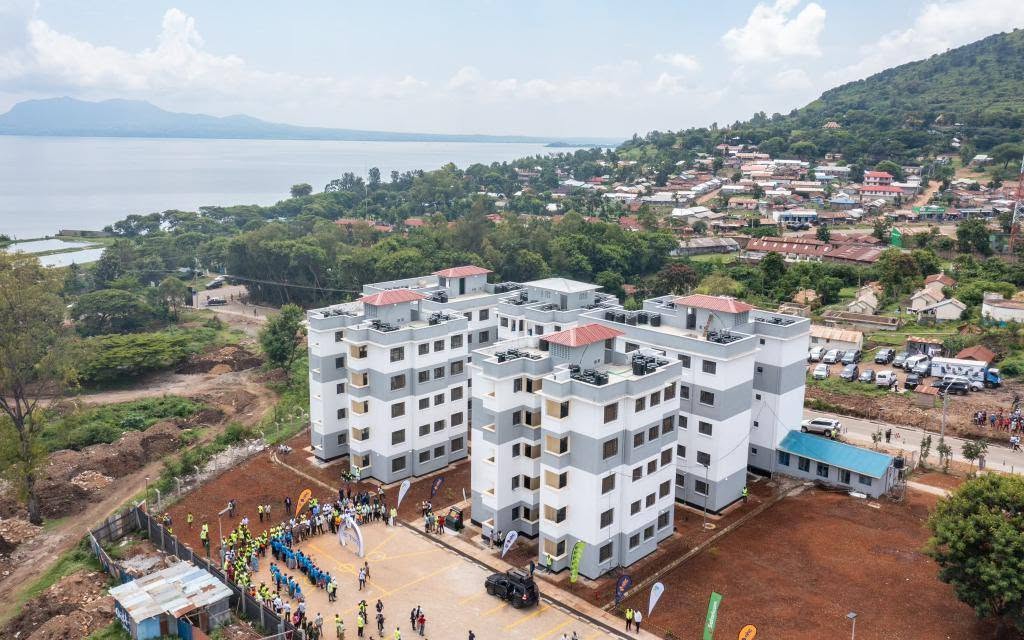
One of the most visible transformations is taking place in the housing sector. Across Nyanza, more than 17,000 affordable housing units are planned, under construction, or at various stages of completion. The programme is not only addressing the housing deficit but is also creating employment opportunities for local youth and artisans while stimulating demand for construction materials and services.
Kisumu County has emerged as one of the leading beneficiaries of the Affordable Housing Programme. The county is witnessing a major housing transformation with over 14,000 planned and ongoing housing units. From Lumumba to Maseno and Kombewa, thousands of families are expected to gain access to decent and affordable homes, helping to improve living standards while supporting urban development and economic activity.
Infrastructure development has also received significant attention. Across the Nyanza region, nearly 1,985 kilometres of roads are either completed, under construction, or in the planning stages. Improved road networks are expected to enhance connectivity, facilitate trade, reduce transport costs, and strengthen access to markets, schools, and healthcare facilities.
Project implementation across the region has recorded notable progress. More than KES 8.5 billion worth of projects have already been completed, while KES 22.1 billion worth of projects are substantially completed, having surpassed 75 percent implementation. An additional KES 142.8 billion worth of projects are currently under construction, demonstrating the administration’s sustained focus on delivering development outcomes.
Migori County alone has attracted investments valued at KES 57.87 billion. Of this amount, KES 19.78 billion has been allocated to affordable housing projects, KES 23.64 billion to road infrastructure, KES 3.20 billion to institutional projects, and KES 4.21 billion to modern markets. These investments are designed to unlock economic potential and enhance service delivery throughout the county.
Several affordable housing projects are already making progress in Migori. Housing developments in Mabera, Uriri, Awendo, Rongo, Kehancha, Ntimaru, Nguruna, Kododa, Piny Oyie, Sori, and other towns are at various stages of implementation. Some projects have already been completed and commissioned, while others are under construction, procurement, or planning stages, collectively adding thousands of housing units to the county’s stock.
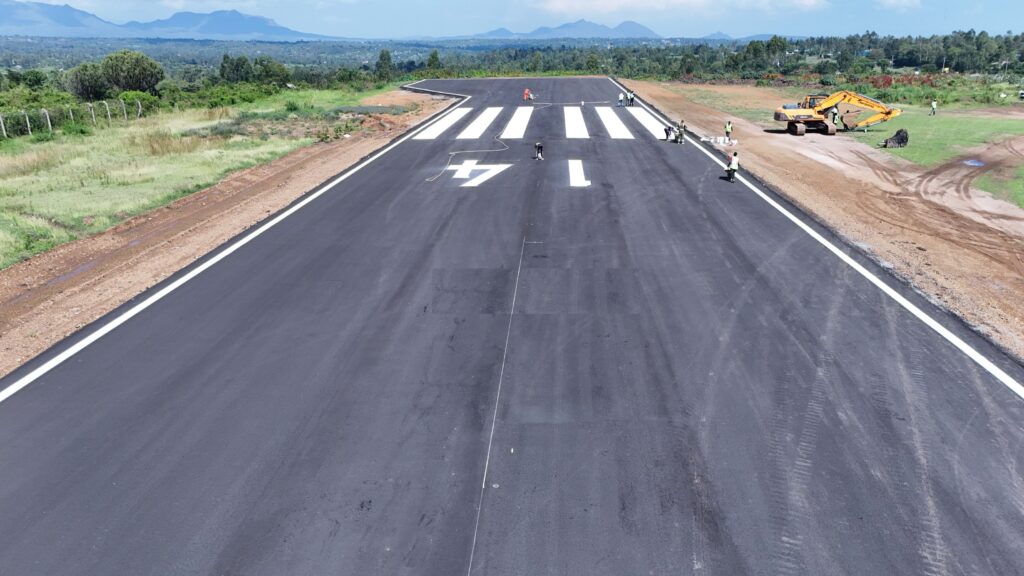
Road infrastructure remains a major focus area in Migori. Key projects include the Masara–Sori–Agolo Muok Road, Motemorabu–Suba Kuria–Masaba Road, and the Riosiri–Rongo Campus–Toku Bridge Road. Once completed, these roads are expected to improve regional connectivity, support agricultural transportation, and facilitate movement between economic centres across the county.
The government is also investing heavily in market modernization to boost trade and support small businesses. Projects such as Mabera Modern Market, Kehancha Modern Market, Awendo Modern Market, Muhuru Modern Market, and Rongo Modern Market are expected to provide modern trading spaces for thousands of traders. Enhanced market infrastructure will improve business conditions, increase revenues, and stimulate local economic growth.
Institutional development projects are further strengthening public services. Investments in university hostels, KMTC accommodation facilities, TVC hostels, and rescue centres are intended to expand educational opportunities and improve learning environments. Such projects will help accommodate growing student populations while enhancing access to quality training and education.
The ongoing transformation across Nyanza demonstrates the government’s determination to deliver development without discrimination based on geography or political affiliation. Through investments in housing, roads, markets, and institutions, President Ruto’s administration is laying the foundation for long-term economic growth and social progress in the region. As projects continue to take shape across Kisumu, Siaya, Homa Bay, Migori, Kisii, and Nyamira, residents are increasingly witnessing the tangible impact of national development programmes in their communities.